
 Canada revokes dozens of crypto firms’ registrations
  Questions swirl around US plans for record $15B Prince Group crypto seizure
  Donate to ICIJ
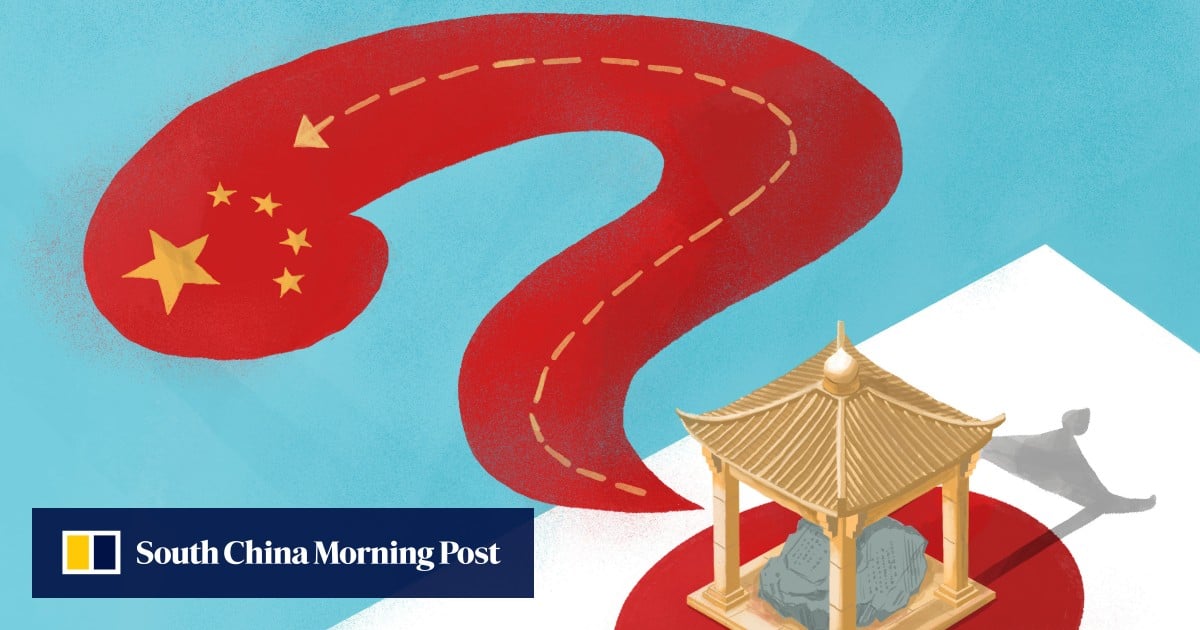
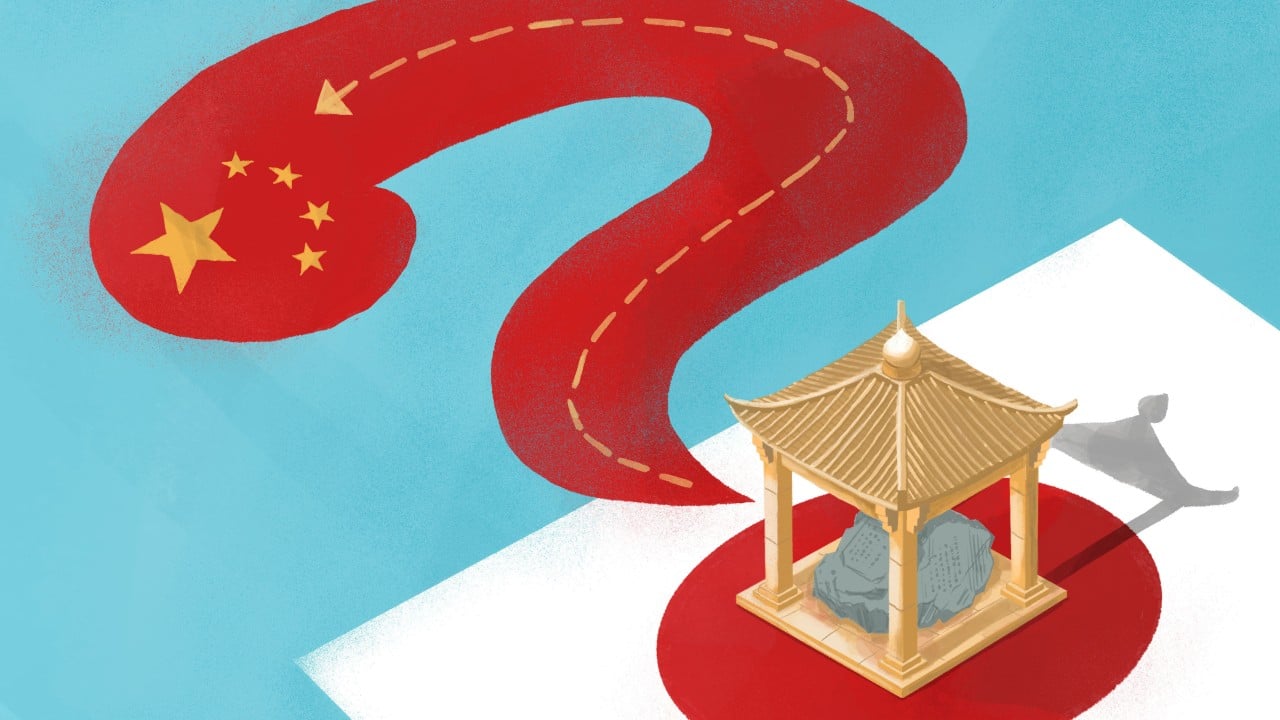
As one of the biggest targets of wartime looting in centuries past, China is now positioning itself as a global pioneer in repatriating lost cultural artefacts. This article, the first in a two-part series, Xinlu Liang looks at whether a stolen 1,300-year-old Chinese stone now housed in Japan’s Imperial Palace can become a test case for a reckoning over wartime plunder.
In 1945, following Japan’s surrender to the Allies, supreme commander General Douglas MacArthur ordered the country to return looted cultural treasures to their rightful nations across Asia.
However, the directive was limited: it applied only to items seized after the 1937 Marco Polo Bridge incident, ignoring earlier plunder during the first Sino-Japanese and Russo-Japanese wars. The bureaucratic process was also complex, requiring detailed records of each theft – documentation that many war-ravaged nations could not provide.
Advertisement
By the late 1940s, China had compiled a list of more than 150,000 books and 2,000 artefacts – a figure researchers later deemed to be an underestimate.
Advertisement
But this could soon change.
Don't Miss:
-
China proposes a new way to measure academic influence in a departure from impact factor
-
As Cambodia’s scam crackdown deadline looms, criminal gangs flee
-
Errors in Hong Kong Tai Po blaze hearing transcript raise transparency concerns
-
China woman uses an old photo to find brother who was lured away with bread 33 years ago
-
Kyoto is eyeing taller buildings. Critics warn it will look like ‘every other city in Japan’