
 How Hungary’s richest man funneled millions into Orbán’s propaganda machine
  How Real Is the US Withdrawal from the Middle East?
  From Iran to China: An Emerging Trans-Central Asian Corridor
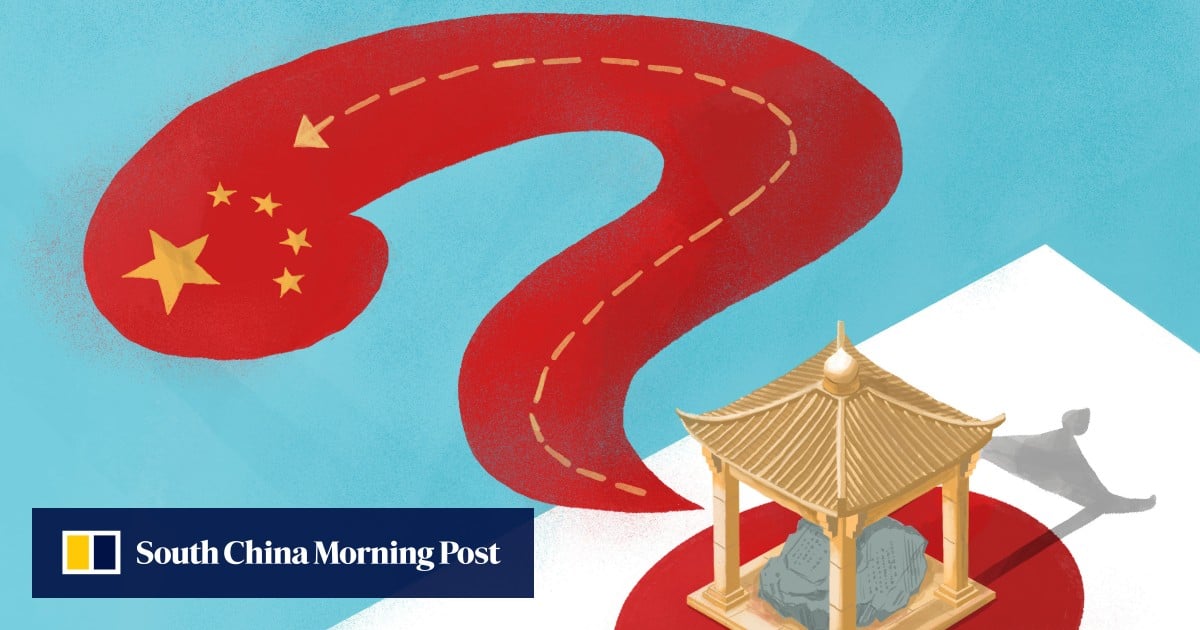
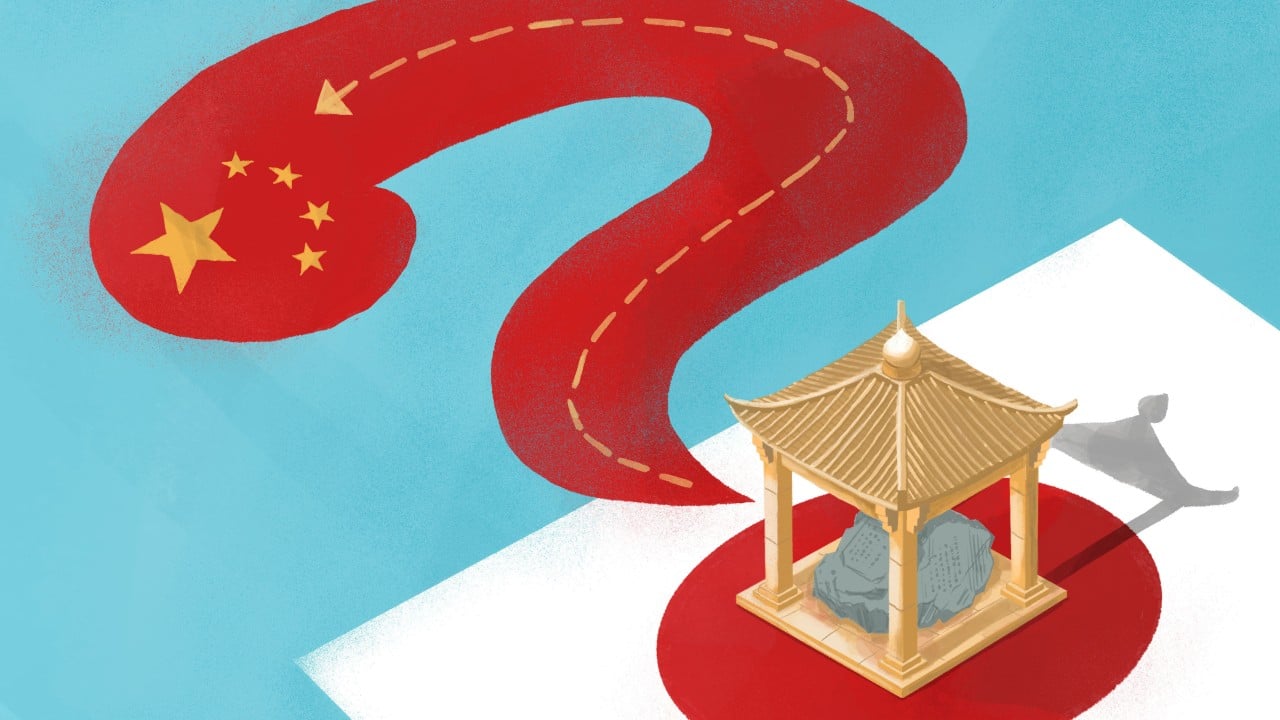
As one of the biggest targets of wartime looting in centuries past, China is now positioning itself as a global pioneer in repatriating lost cultural artefacts. This article, the first in a two-part series, Xinlu Liang looks at whether a stolen 1,300-year-old Chinese stone now housed in Japan’s Imperial Palace can become a test case for a reckoning over wartime plunder.
In 1945, following Japan’s surrender to the Allies, supreme commander General Douglas MacArthur ordered the country to return looted cultural treasures to their rightful nations across Asia.
However, the directive was limited: it applied only to items seized after the 1937 Marco Polo Bridge incident, ignoring earlier plunder during the first Sino-Japanese and Russo-Japanese wars. The bureaucratic process was also complex, requiring detailed records of each theft – documentation that many war-ravaged nations could not provide.
Advertisement
By the late 1940s, China had compiled a list of more than 150,000 books and 2,000 artefacts – a figure researchers later deemed to be an underestimate.
Advertisement
But this could soon change.
Don't Miss:
-
US wraps up military mission in Iraq, giving Baghdad room to strengthen China ties
-
As China and the EU begin crunch trade talks, optimism is in short supply
-
Data centre opposition is growing in Australia. Is there a middle ground?
-
Helper arrested for allegedly slapping 5-year-old boy after he refuses to eat
-
Workers, mostly Indian, building US consulate in Milan agree to record settlement