
 Five years after the Pandora Papers, transparency laws lose their teeth
  How Hungary’s richest man funneled millions into Orbán’s propaganda machine
  How Real Is the US Withdrawal from the Middle East?
 Young, naive and now sleeping rough on a plastic sheet outside their embassy in Phnom Penh, Indonesians Abdul* and Hafiz* are among the expendable human resources of Southeast Asia’s scam trade.
“Our Chinese boss stole all of our passports,” said Abdul, 20, gesturing to a dozen or so of his defeated compatriots squinting in the sun from behind a jumble of bags and umbrellas.
Advertisement
“He didn’t want any responsibility for us and did not pay any salary,” added Hafiz, 19, giving only one name like his friend. “Some people worked for one month, some for four months or for one year. Nobody has any money to take home.”
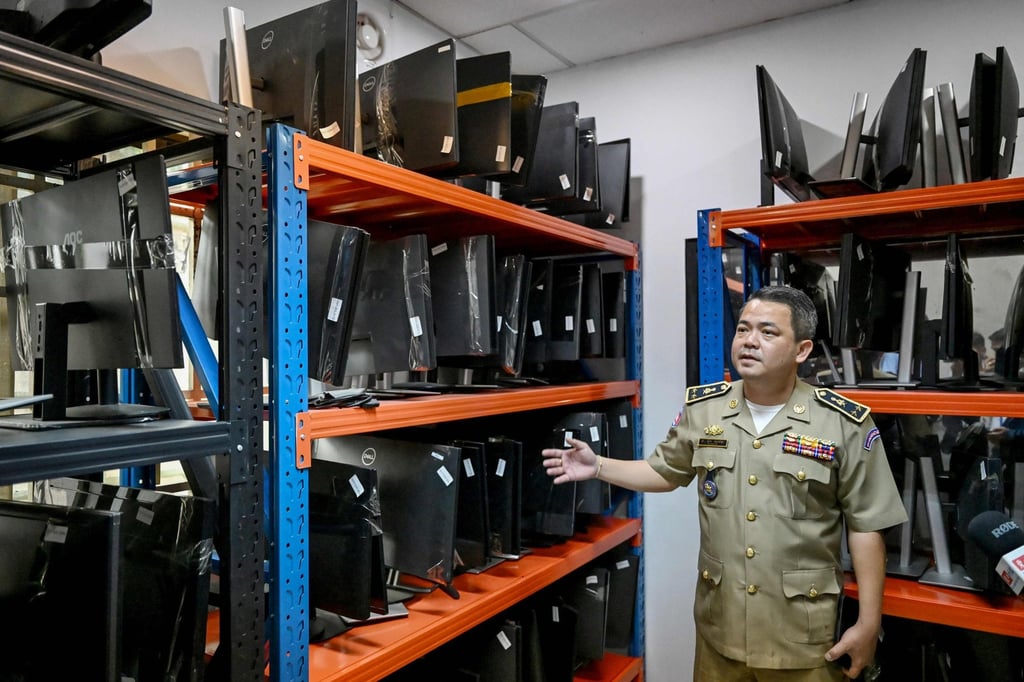
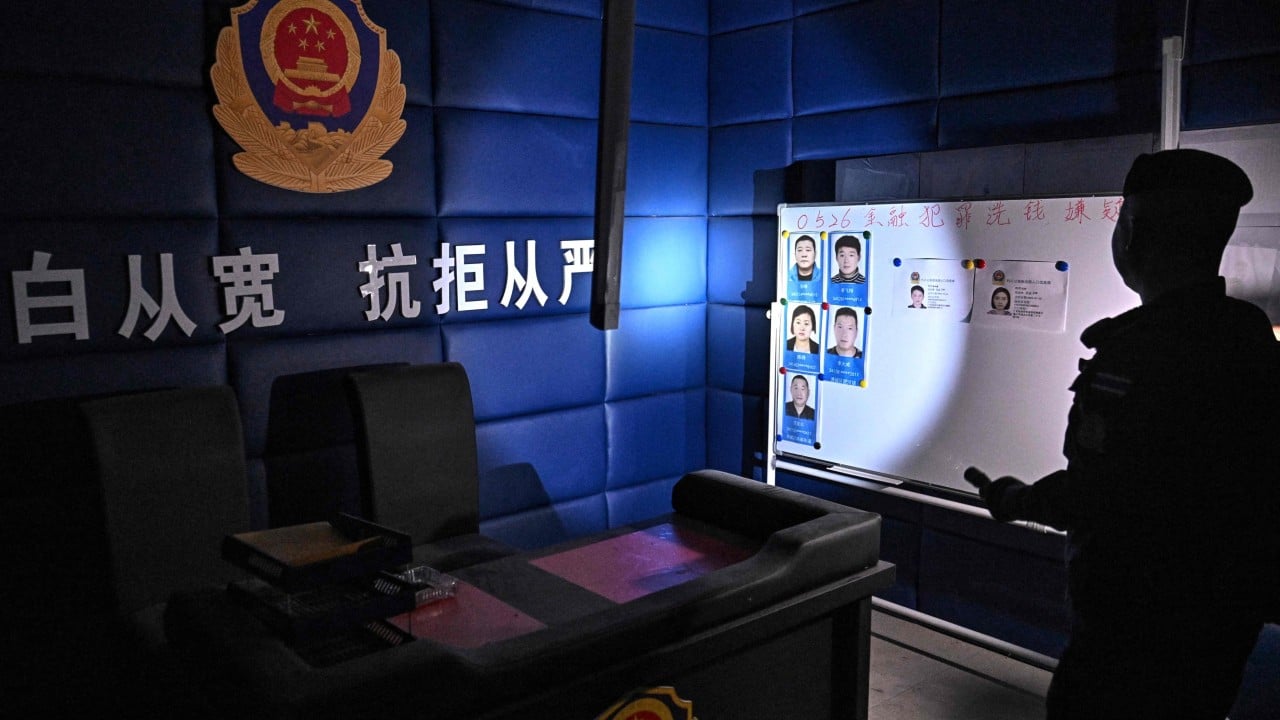
Under pressure from China and the US, Cambodia says it is scorched-earth time for the scammers, vowing they will be gone for good by April. Observers call it an ambitious deadline, especially given the scale of a criminal enterprise that has deeply embedded itself.
Advertisement
Across the country are dozens of compounds generating, depending on who you believe, as much as US$19 billion annually, equivalent to more than half Cambodia’s formal economy.
Don't Miss:
-
Two Years On, the Sinaloa Cartel War Changes Shape | The InSight Take
-
US wraps up military mission in Iraq, giving Baghdad room to strengthen China ties
-
As China and the EU begin crunch trade talks, optimism is in short supply
-
Data centre opposition is growing in Australia. Is there a middle ground?
-
Helper arrested for allegedly slapping 5-year-old boy after he refuses to eat