
 Rick Claypool on Pay to Play Corporate Crime Enforcement
  Labaton Launches Whistleblower Practice with Former SEC Acting Chair Allison Herren Lee
  Kremlin payment firm A7 has been pumping billions in ‘untraceable’ cash into global financial system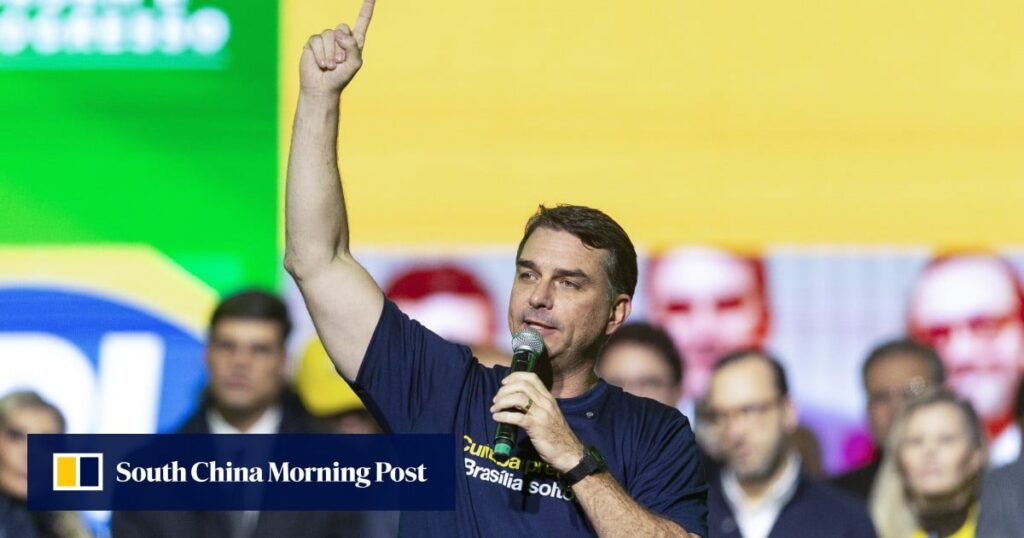
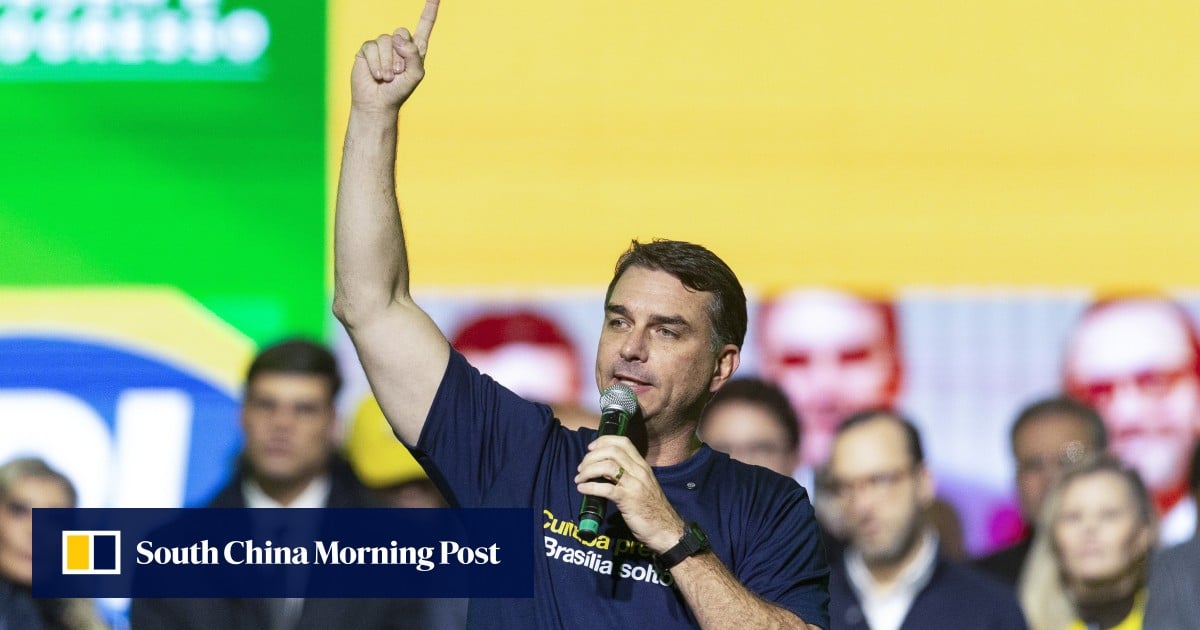
The US decision to classify two Brazilian gangs as terrorist organisations is a political one aimed at boosting an ally of US President Donald Trump, the son of former Brazilian president Jair Bolsonaro, politicians and analysts say.
The gangs join eight other Latin American organised crime groups designated by the US as foreign terrorist organisations. But unlike the rest, they do not operate in the United States.
The listing of First Capital Command, known as PCC, and Red Command, or CV, followed a visit by presidential hopeful Senator Flavio Bolsonaro to Washington last week. He said he asked Trump administration officials to extend the designation to them.
Advertisement
Bolsonaro hopes to unseat incumbent President Luiz Inacio Lula da Silva in October’s elections. The US decision shores up the senator’s tough-on-crime credentials while highlighting Bolsonaro’s criticism of Lula’s handling of public security.
“The main driver of this decision was politics,” to pressure Lula and help Flavio before the October election, said Latin America expert Brian Winter, who edits Americas Quarterly, a publication of the New York-based Council of Americas.
Advertisement
Carolina Grillo, a sociology professor at Fluminense Federal University in Rio de Janeiro and an expert on organised crime in Brazil, agreed that the Trump administration’s decision was aimed at potentially swaying the elections.
“The supply routes for cocaine entering the United States pass through Colombia, Mexico and Central American countries – not through Brazil,” Grillo said, adding that more than 90 per cent of the cocaine seized in Brazil is destined for European countries.
Don't Miss:
-
A Total of 13 Mass Graves Have Been Found in Viesca Containing the Charred Remains of Men and Women
-
Jorge Luis Zambrano, alias “Rasquiña”
-
El Taliban Fell In Mazatlán… And What He Confessed Ties Everything Together
-
Inside the Camp at the Heart of Honduras’ Garífuna Land Struggle
-
This Is How the MataZetas Captured and Executed the Zetas