
 From Iran to China: An Emerging Trans-Central Asian Corridor
  New documents show how a retail chain’s sales practices helped put guns on US streets
  Singapore a battleground of commodities fraud lawsuits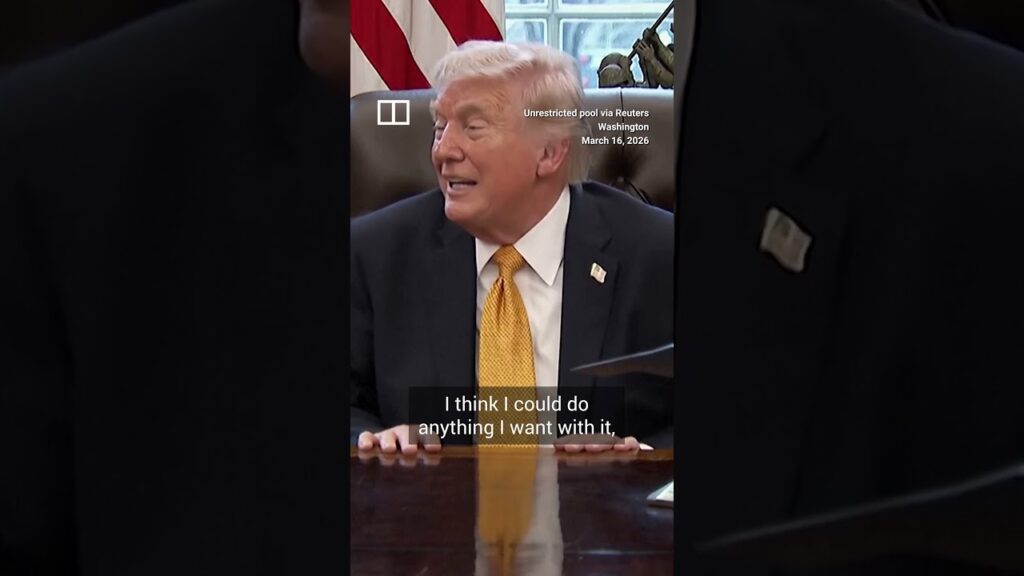
US President Donald Trump on Friday signed an executive order expanding sanctions on Cuba, authorising penalties not only against Cuban officials but also on foreign companies and financial institutions that do business with the island.
The order significantly broadens Washington’s ability to exert economic pressure, allowing US authorities to target third-country actors deemed to support the Cuban government, in a move that could have implications for global firms, including those in China and Europe.
Under the measure, the United States can block the assets of any foreign individual or entity operating in key sectors of the Cuban economy – including energy, financial services, mining and defence – or providing material, financial or technological support to the government.
Advertisement
It also authorises sanctions on foreign financial institutions that facilitate significant transactions for designated entities, including restricting their access to the US banking system or freezing assets under US jurisdiction.
The provisions effectively extend US enforcement power beyond its borders, echoing the “secondary sanctions” model Washington has used in other contexts, such as Iran, and increasing the risks for international companies with exposure to Cuba.
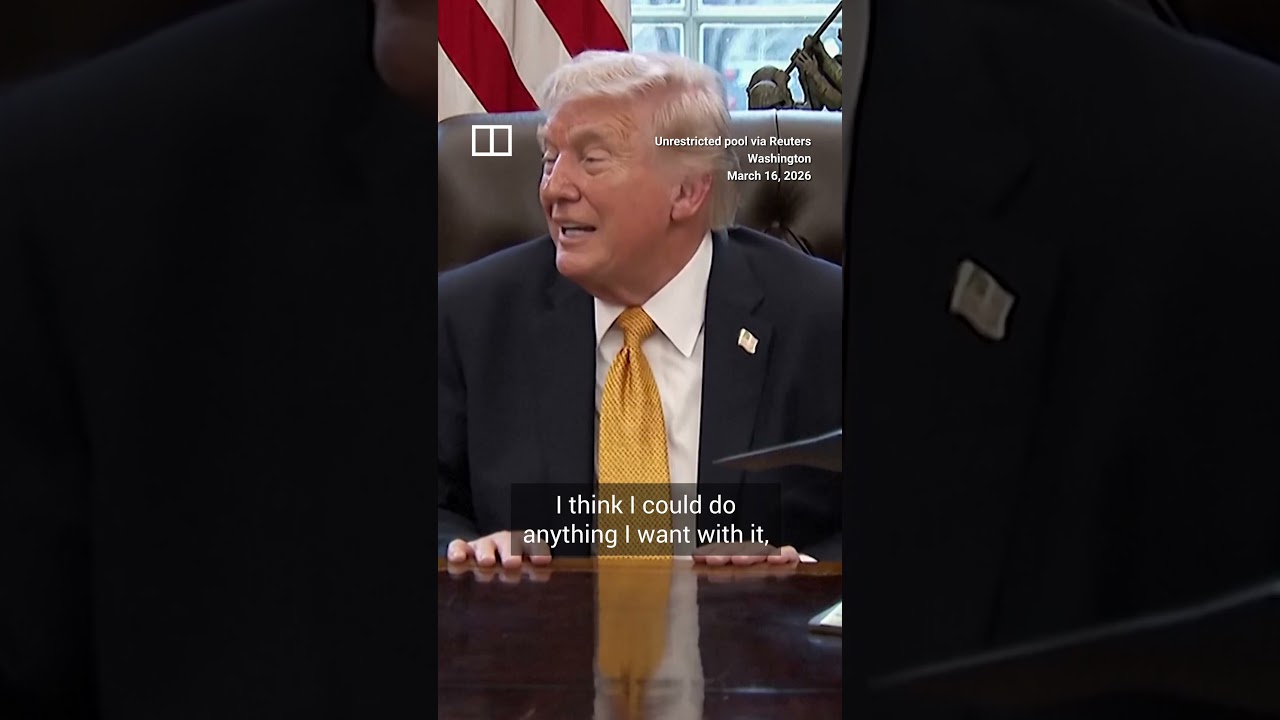
00:58
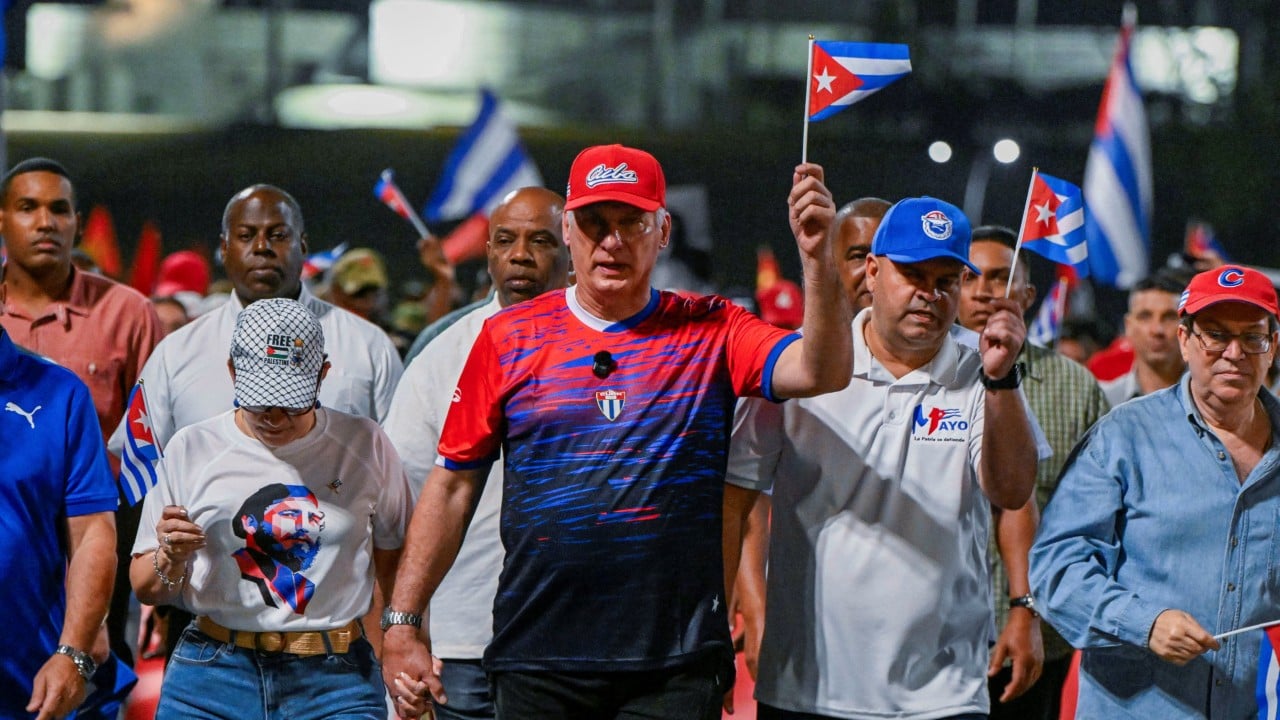
Trump vows to ‘take’ Cuba as island reels from total power cut linked to oil embargo
Trump vows to ‘take’ Cuba as island reels from total power cut linked to oil embargo
Advertisement
Don't Miss:
-
Hong Kong approves average fee hikes of up to 4.75 per cent for non-public schools
-
4 Indonesian seamen kidnapped by Somali pirates return home
-
UK police arrest seventh man linked to security incident at US-run airbase
-
Iván Cazarín Molina, alias “El Tanque”, Alleged CJNG Operator Active in Several States, Arrested
-
Iceland is ‘critical outpost’ for security, Rubio says during visit