
 From Iran to China: An Emerging Trans-Central Asian Corridor
  New documents show how a retail chain’s sales practices helped put guns on US streets
  Singapore a battleground of commodities fraud lawsuits
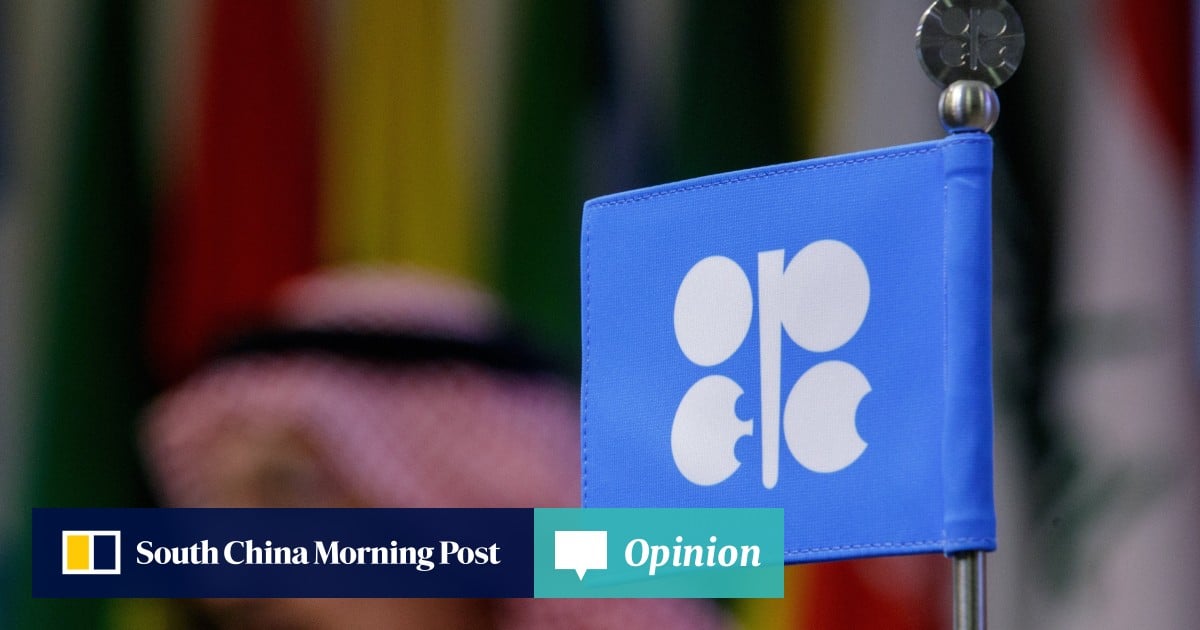
Not a sudden, major crash but a series of mini-crises. That, according to some, is the prospect facing the global economy and financial system in the wake of conflict in the Middle East. But what if these mini-crises cascade into a collective collapse?
Or what if beyond its aggressive actions in the Middle East, the United States under President Donald Trump is also forcing Europe and Asia to shoulder the financial burden of their self-defence, thus allowing the US to emerge as the only real winner economically in a war that it, together with Israel, began?
Advertisement
Experts from various disciplines – economic, financial and geopolitical – seem unable to put it all together or to acknowledge the risk of a generalised crisis. Instead, they seem to have fixated on the idea of systemic resilience.
“The world economy has shown itself capable of shaking off significant shocks like broad US tariffs, so there is room for optimism that it will prove resilient to the fallout of the war on Iran,” Eswar Prasad, professor of trade policy at Cornell University, has been reported as saying, for instance.
Advertisement
Such views or sketches do not capture the full picture, however. They describe single economic and financial blows that cause a victim to stumble in his stride but not collectively to provoke a fall – something which could be in prospect now.
Don't Miss:
-
Land sales offer only temporary relief for West Kowloon arts hub, experts warn
-
As bear attacks rise in Japan, fearful residents change daily routines
-
Trump says will speak to Putin on plague, after death of Russian lab tech
-
Hong Kong’s first-store appeal grows as more Japanese, South Korean and Thai brands arrive
-
US resident arrested in connection to Canada school shooting