
 The story that rocked the world: Ten years of the Panama Papers, part 1
  France to try alleged Magnitsky Affair mastermind Dimitry Klyuev in absentia
  Canada revokes dozens of crypto firms’ registrations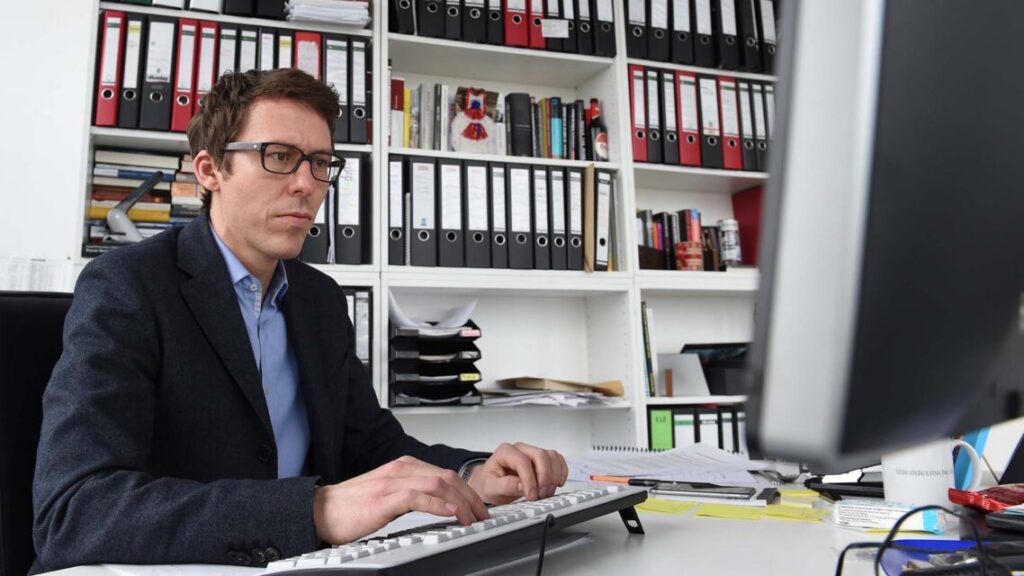
A decade ago, the biggest network for journalists ever assembled set out to investigate a system built to stay hidden.
What they uncovered became the Panama Papers, a sweeping investigation that broke open the secretive world of finance and exposed how the rich and powerful use offshore structures to protect wealth and dodge scrutiny.
The global project broke the model for investigative journalism. It built on years of pioneering collaborative projects by the International Consortium of Investigative Journalists and exploded into the mainstream as the best new way for journalists to take on systems that no single newsroom could unravel alone.
This series explores how it all came together, drawing on the recollections of the journalists whose reporting sparked a global reckoning over financial secrecy and its consequences. Check back for parts two and three, to be published in the coming days.
The beginning
Bastian Obermayer (Germany)
Then: Investigative reporter, Süddeutsche Zeitung | Now: Co-founder and director, Paper Trail Media
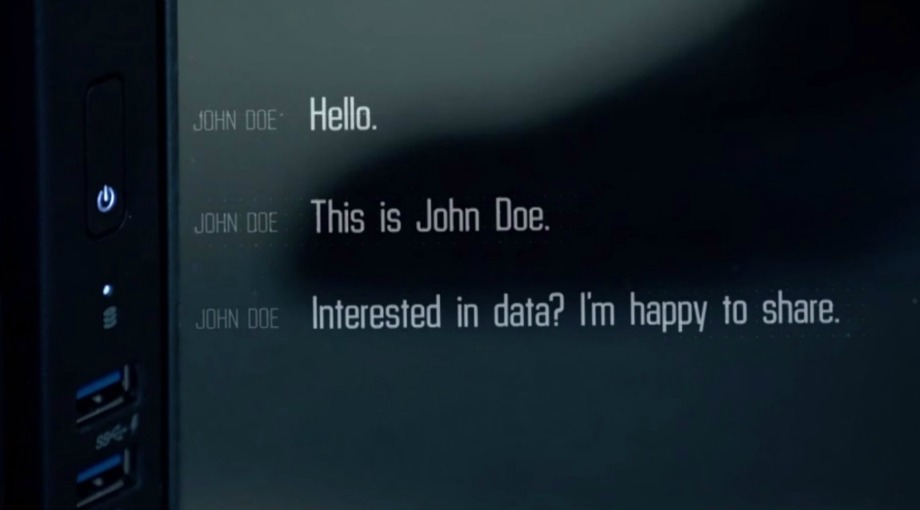
Before the world learned how a Panamanian law firm sold secrecy to prime ministers, billionaires and criminals, a German reporter opened a message that would spark a global reckoning: “Hello. This is John Doe. Interested in data?”
“I thought, ‘That’s really interesting,’” the reporter, Bastian Obermayer, recalled a decade later. “And then I went back and changed the sheets because my son had thrown up again.”
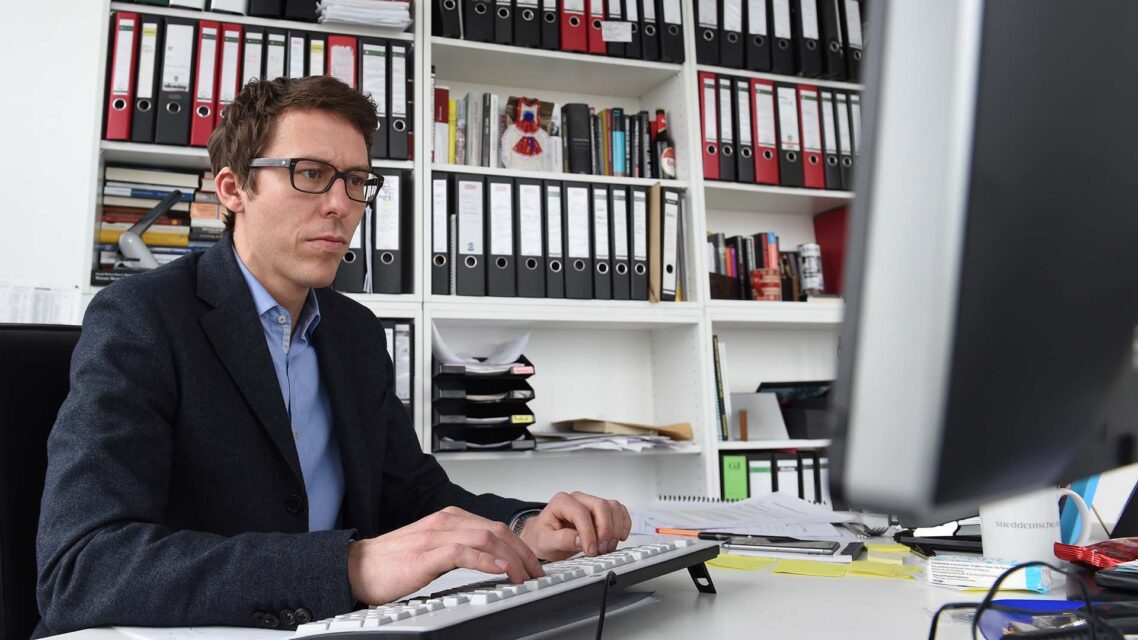
Obermayer’s family — everyone but him — had taken ill, and he’d been balancing his work at Süddeutsche Zeitung with trips to the pharmacy.
The sender was cautious and direct. He insisted on encrypted communication, rejected any face-to-face meetings and warned that disclosure of his identity would endanger his life.
Obermayer agreed to the terms and soon had a cache of internal records from Mossack Fonseca, a Panamanian law firm known for shell companies.
The material would become part of what the world would come to know as the Panama Papers — 11.5 million confidential documents exposing the offshore financial dealings of politicians, billionaires and world leaders.
There were emails, memos, contracts, spreadsheets and more — enough to map the inner workings of a shadow financial system that regulators and journalists had long suspected and occasionally glimpsed but had never seen documented at such scale or in such granular detail.
They were clearly internal documents, and this John Doe said he had access to more — “more than anything you have ever seen,” he’d promised Obermayer.
The next thing Obermayer did was message his friend and Süddeutsche Zeitung colleague Frederik Obermaier (no relation). Obermaier was on paternity leave but agreed to meet.
“I could already hear the excitement from the first sentence,” Obermaier said. He needed no more convincing.
“I was already in,” he recalled. “Pretty soon we realized this is bigger than everything that we have ever done.”
They realized, too, that it was too big to keep to themselves.
Both had worked on previous ICIJ investigations and they knew what its model made possible: cross-border reporting at a scale no single newsroom could pull off.
They knew, too, that this wasn’t only a German story. It was a global one.
“International stuff is the coolest thing you can do in journalism,” Obermayer said. “When we got the documents, we instantly thought this might be our chance to get the ICIJ to do a project we actually started.”.
It wouldn’t be easy.
First, they had to win over their own newsroom, including colleagues who wanted Süddeutsche Zeitung to keep the scoop for itself. But soon enough, their editor Wolfgang Krach was all in.
Then they had to take the project to ICIJ, which had already built a reputation for global investigations about offshore finance. But the bar for embarking on yet another tax-haven project for ICIJ was high, and its resources were already stretched thin across back-to-back investigations into tax avoidance and private banking.
[donate]
The architect
Gerard Ryle (United States/Australia)
Executive director, ICIJ
The ICIJ team had been running at full steam for months. In November 2014, the organization’s Luxembourg Leaks investigation uncovered widespread corporate tax avoidance through the heart of Europe; now, ICIJ was in the midst of two new investigations — an exposé of Switzerland’s infamous private banking system, and a deep dive into the World Bank.
Director Gerard Ryle told his deputy, Marina Walker Guevara, that the team needed a break, but another part of him was ready for something bigger.
“I’m a firm believer of riding momentum when you have it,” he said recently.
Then an email arrived from Germany. Obermayer had a new source offering internal files from Mossack Fonseca, a Panamanian law firm that created offshore companies for clients worldwide. Ryle knew the firm well. If this leak was real, it wasn’t a side door into the offshore world — it was the front entrance.
Ryle and Obermayer already had another set of Mossack Fonseca documents in hand from an earlier source, about a million documents that would be useful in authenticating the new leak.
“A new, FAR better source,” Obermayer had written on March 4, 2015 — exactly 13 months before the Panama Papers would be headline news around the world.
Ryle went to Munich to meet Obermayer, Obermaier and Krach. Together, they sifted through data for hours, cross-referencing documents from the two leaked datasets to make sure they matched. Now they knew the records were legitimate.
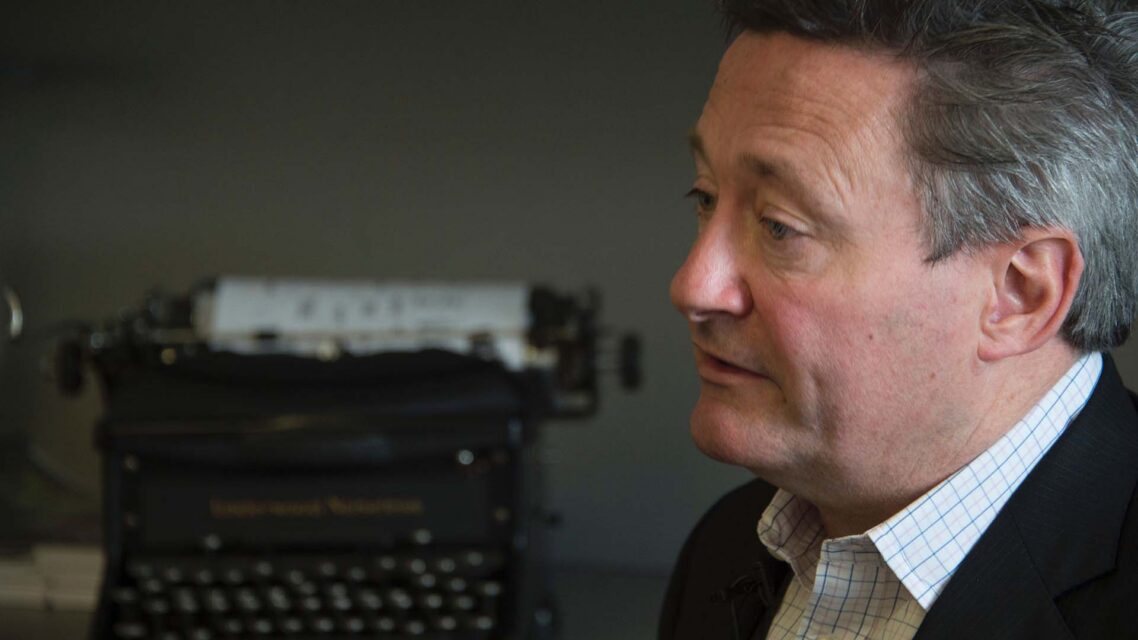
Ryle returned to his hotel and kept testing hunches, running various names through the new data set.
“For this to be exciting, it needed to be bigger and better than the investigations we’ve done before,” he said.
Early searches uncovered some potential subjects for investigation, including a Russian mafia boss and even the leader of a small European nation. But at that moment, all he had were fragments — names in emails and transactions on spreadsheets, connections that hinted at something enormous.
John Doe began sending more and more documents. Before he was through, he’d send 11.5 million of them — enough to map the hidden architecture of the offshore world.
But having the data isn’t the same thing as building a project.
For that, Ryle would need a team.
He approached The Guardian and the BBC first. Securing major news organizations early would make it easier to bring in others — and he would need dozens, maybe hundreds.
He faced pushback from Guardian editors who thought ICIJ had already done the definitive stories on offshore tax havens and this would be more of the same. But Ryle knew this was different — in scale and in names. This investigation would reach into the highest levels of power.
By the end of their lunch at London’s Frontline Club, The Guardian and the BBC were onboard.
Now he needed an American outlet — one with reach and investigative chops.
He wasn’t just pitching a story. He was pitching a new way of working. He needed them to go against ingrained competitive instincts, put their best scoops in a shared pot and trust that everyone would publish together.
He went first to a national broadcaster who had worked with ICIJ on earlier investigations. Over several meetings spanning months, Ryle and Walker Guevara tried to make their case.
By the first meeting, the leak was already bigger than anything they’d seen before, and John Doe was still sending more — chains of transactions tied to politicians, heads of state and celebrities.
I’m thinking, ‘My God, if they don’t think it’s a story, is our judgement correct, or are we wrong here?
By their last meeting — about two months before publication — the team had traced $2 billion to offshore accounts connected to Russian President Vladimir Putin, and new names were turning up every day.
The producers were unimpressed.
“Gerard, what else you got?” Ryle remembers one asking during the meeting.
The question left Ryle unsettled.
“I’m thinking, ‘My God, if they don’t think it’s a story, is our judgement correct, or are we wrong here?’ ” he said.
He pushed the doubt aside.
The documents kept coming.
The collaboration kept growing.
And soon there would be no doubt at all.
Growing the team
Marina Walker Guevara (United States)
Then: Deputy director, ICIJ | Now: Executive editor, Pulitzer Center
Walker Guevara saw the Mossack Fonseca files as the ultimate test of something ICIJ had been building for years.
Since its first big foray into offshore tax havens with 2013’s Offshore Leaks investigation, ICIJ’s editorial team had been refining a collaborative model that could draw on the power of huge cross-border teams to unpack larger and more complicated datasets.
Now the model’s ability to scale would truly be put to the test.
The Mossack Fonseca leak pointed in all directions. To unravel the documents, ICIJ would need reporters across continents — more than any journalistic investigation had ever had before.
To find them, Walker Guevara knew she’d have to look beyond strong clips and big reputations. She needed something harder to identify: a willingness to collaborate.
There’s no litmus test for that, “but a collaborator — you know when you meet one,” Walker Guevara said.
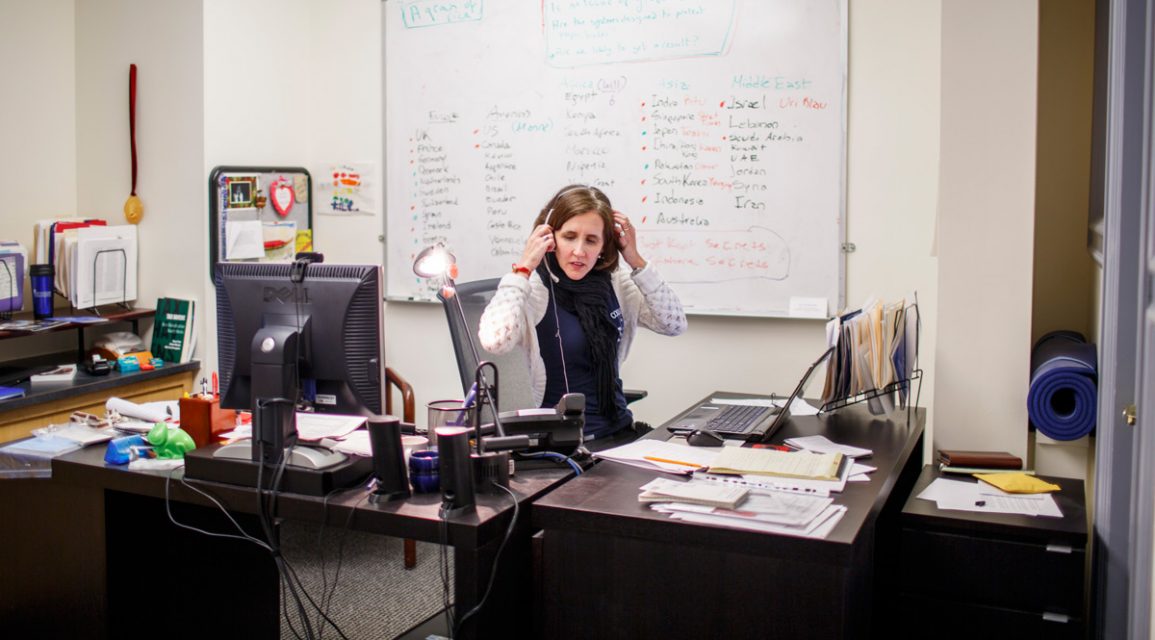
She wasn’t looking for the most famous reporters in each country, but for ones with a track record and rigor to handle what ICIJ would demand of them.
The journalists would need to share everything: notes, interviews and documents, sometimes pursuing leads that would ultimately appear under someone else’s byline. Every reporter would have to depend on people they’d never met in person.
The profession had never attempted to collaborate at this scale before.
“It’s not normal working this way,” she said later. “That is an entire new paradigm in investigative journalism. That’s not what our DNA is.”
The Panama Papers would push that new paradigm to its limits. ICIJ had tested it in smaller investigations, but the scale of the Panama Papers was unprecedented. If this worked, it could redefine how investigative journalism is done.
Not only were the methods novel for this growing team of reporters but, with the sensitive nature of the materials, there was an additional complicating layer on top: the need for absolute secrecy.
It would have taken any one of us breaking the confidentiality for the whole thing to crumble, for the whole collaboration to break.
Each time she onboarded a new partner, Walker Guevara delivered the same warning: “You have no business talking about this work with your spouses, with your friends, with your parents,” she remembers telling them. “Get a life. Find other things to talk about. This is way too important.”
The project was fragile from the start.
“It would have taken any one of us breaking the confidentiality for the whole thing to crumble, for the whole collaboration to break,” she said.
Check back on Thursday for the next part of this three-part series, and subscribe to ICIJ’s newsletter to receive news updates direct to your inbox.