
 Global headlines and a public reckoning: Ten years of the Panama Papers, part 3
  ICIJ’s investigations into systemic failures highlighted in 2025 annual report
  Judge orders Nazi-looted Modigliani linked to Panama Papers be returned to heirs
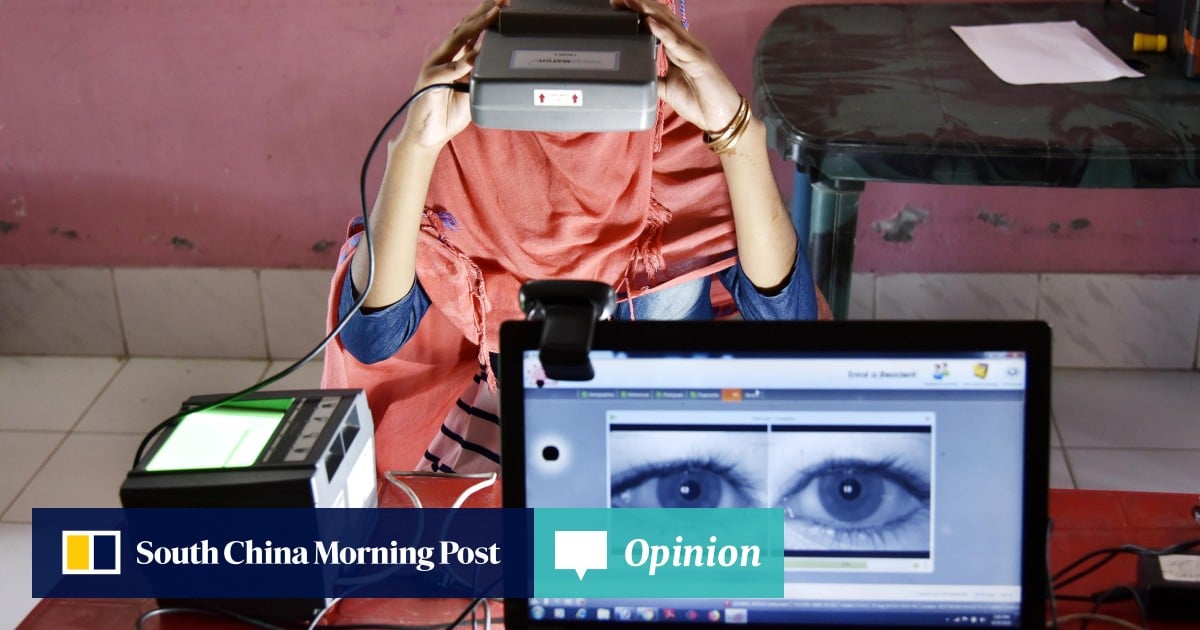
Much Western discourse on artificial intelligence has lately focused on establishing safeguards and installing guardrails against powerful new AI systems, algorithmic bias, the collusion of governments and tech oligarchs, and rising related environmental costs.
While developed countries begin to see the downsides of AI, the story for the Global South is the complete opposite: AI is being viewed as some magical cure for poor governance, corruption and weak economic development.
Advertisement
Unlike developed countries, the Global South has yet to experience a localised and large-scale adoption of AI or a “bot boom”. But the bid to adopt AI without first developing localised governance, digital literacy and a research ecosystem brings risks of Global South populations becoming passive consumers of foreign technologies.
Advertisement
Last year, for instance, Ethiopia launched its Digital Ethiopia 2030 strategy, which calls for the integration of AI in education, healthcare, tax services and justice. Similarly, Pakistan’s National AI Policy 2025 frames the technology as a transformative tool to be employed across the sectors of healthcare, education, governance, agriculture and industry. Many countries in Latin America, such as Chile, Argentina and Colombia, have also adopted national strategies that promote AI’s role in modernising public administration and fostering economic growth.
Don't Miss:
-
‘No water flowed through the hoses,’ plumber says as Tai Po fire hearings resume
-
Woman charged over Singapore crash that killed Indonesian girl in Chinatown
-
Hong Kong to set up company this year to fast-track San Tin tech hub as firms eye move
-
Japan’s deportation drive strikes fear into asylum seekers, foreign residents
-
Chinese youth are embracing Ching Ming with cultural confidence