
 Anwar Ibrahim: The Man Who Became the Compromise
  The US is letting a convicted Bolsonaro spy chief stay in Florida. Brazil wants answers.
  Rick Claypool on Pay to Play Corporate Crime Enforcement
France and Germany have ramped up diplomatic efforts to contain the fallout from an escalating Middle East oil crisis, seeking to project European autonomy and distance themselves from the US-Israeli war on Iran.
But as the conflict entered its second month, analysts said this was more about damage control than a leadership bid. They said while Berlin and Paris were at the forefront of calls for de-escalation they had limited room for manoeuvre given their security dependence on Washington.
Joint American-Israeli strikes on Iran that began on February 28 have killed dozens of senior Iranian officials, including former supreme leader Ayatollah Ali Khamenei in the first wave.
Advertisement
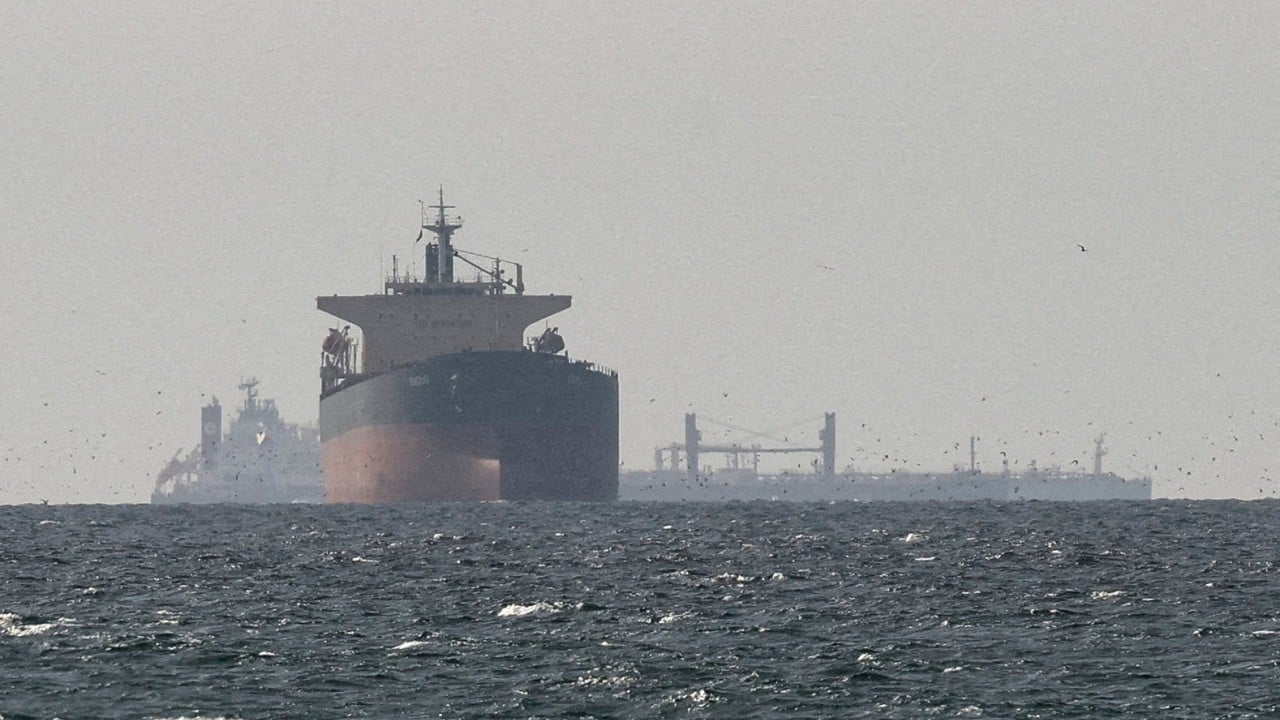
In retaliation, Iran’s missile strikes targeting Gulf countries aligned with the US have had a significant impact on the global energy chain, and it has effectively blocked the Strait of Hormuz through which roughly 20 per cent of the world’s oil supply travels.
Oil prices have surged, threatening European economies, as the strait’s daily transits dropped to a small fraction of its baseline of 130 vessels.

01:01
Iran warns the Middle East could ‘turn into hell’ as Trump gives Tehran 48 hours to make a deal
Iran warns the Middle East could ‘turn into hell’ as Trump gives Tehran 48 hours to make a deal
Paris and Berlin have condemned Iran’s retaliatory missile strikes and the closure of the strait and refused to join the American military campaign.
Don't Miss:
-
Organized Crime Postponed Democracy in Haiti, Again | The InSight Take
-
Unstoppable Violence in Michoacán: 31 Police Officers Killed, and Criticism of the Government Mounts
-
A Total of 13 Mass Graves Have Been Found in Viesca Containing the Charred Remains of Men and Women
-
Jorge Luis Zambrano, alias “Rasquiña”
-
El Taliban Fell In Mazatlán… And What He Confessed Ties Everything Together