
 Philippine VP Sara Duterte’s Impeachment Trial Narrows as Stakes Remain High
  Indonesia Stock Market Faces MSCI Exile over Poor Governance
  The Taliban’s New War Begins at Home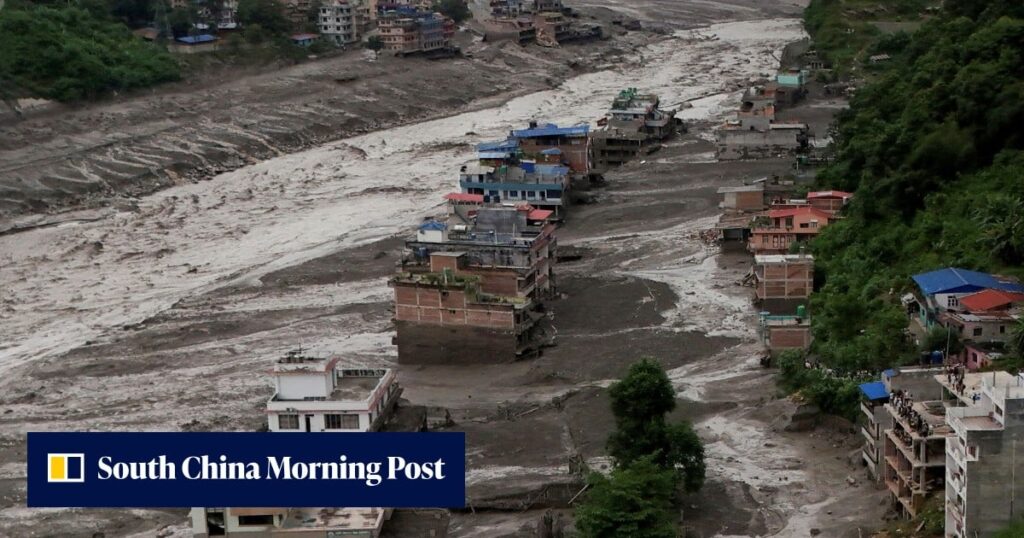
“Asia’s water tower” is heading towards a more unpredictable and unstable future, according to a new study measuring the Tibetan Plateau’s stability.
The study, published on August 21 in Nature Communications, examined the entropy of the region to gauge how much chaos or disorder was building up in a complex system.
Chen Xiaosong, a physicist at the school of systems science at Beijing Normal University and lead author of the study, said on Thursday that from now to the end of this century, “the increase of soil water and the intensification of glacier melting [in the Tibetan Plateau] will constantly trigger such geological disasters”.
Countries along the Himalayas could also face greater risks. “India will definitely be affected, but the specific impacts still require further analysis and research,” he added.
Chen’s team examined the plateau’s soil moisture system from 2000 to 2024, which is closely linked to the water and climate patterns affecting nearly two billion people across South and East Asia.
Don't Miss:
-
Former Chihuahua Prosecutor Arrested for Allowing CIA Officers to Operate in the Region
-
Mexican Authorities Target the Network of U.S.-Indicted “Carlitos Rugrats”
-
Drug Trafficking, U.S. Banks, and the Economic Reality Under Trump
-
Ivan’s Mob Beheads A Los Mayos Member
-
Ex-OFAC Official: The Cartel Risk Companies Can’t See | The InSight Take