
 Philippine VP Sara Duterte’s Impeachment Trial Narrows as Stakes Remain High
 Indonesia Stock Market Faces MSCI Exile over Poor Governance
 The Taliban’s New War Begins at Home
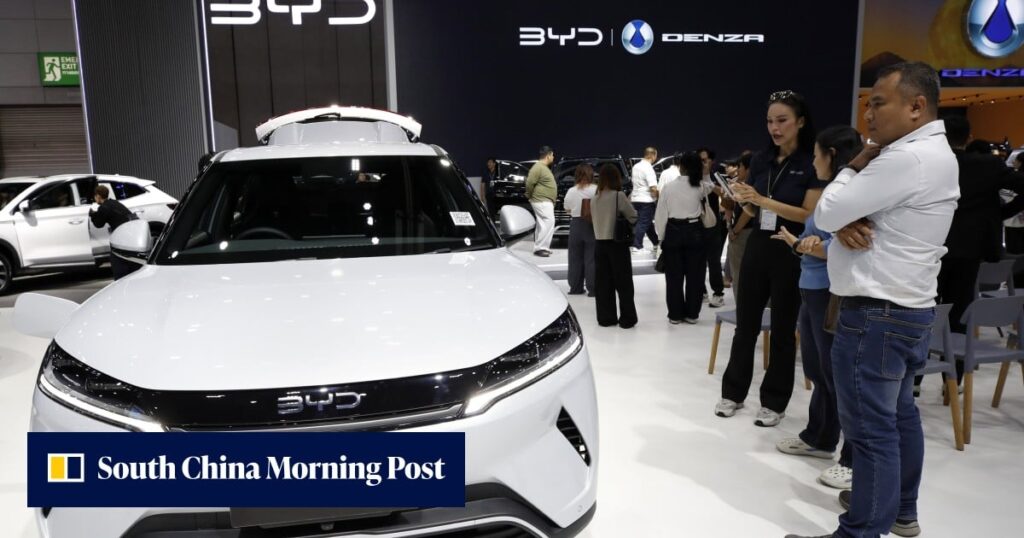
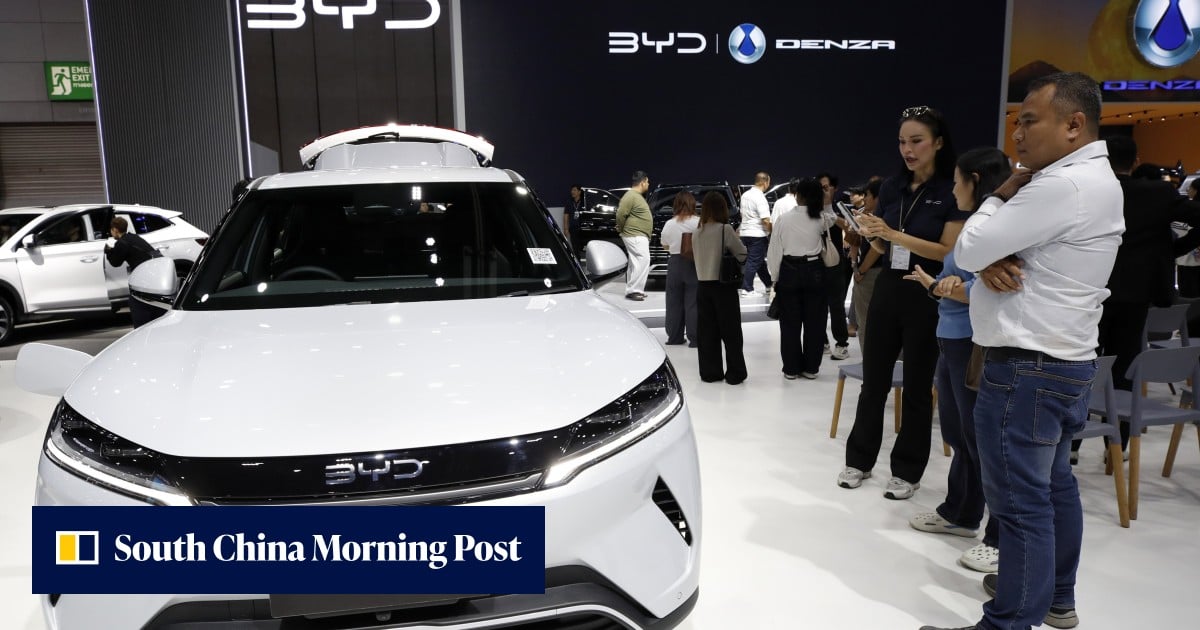
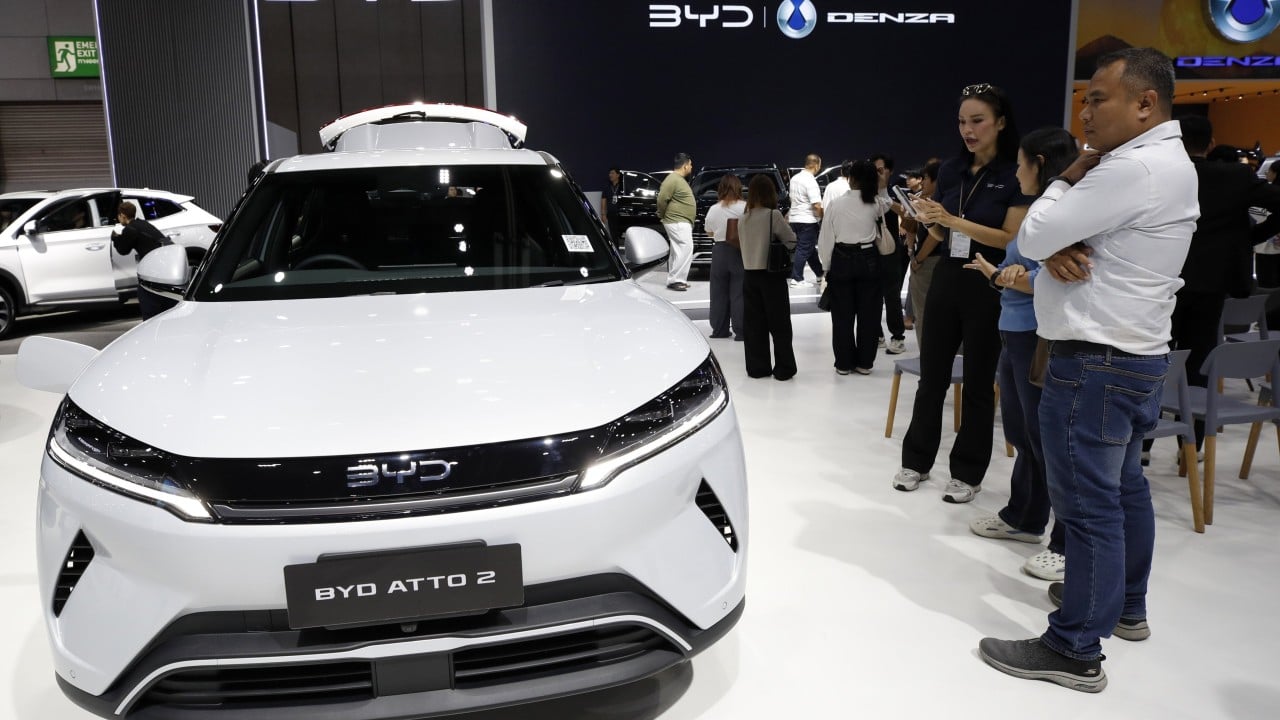
The Shenzhen-based carmaker, also the world’s largest EV builder, posted a net income of 8.2 billion yuan (US$1.2 billion) in the second quarter, up 30 per cent year on year. The quarterly performance beat a consensus estimate of 8 billion yuan in a Bloomberg survey of analysts. Revenue dipped 3 per cent to 194.6 billion yuan.
The second-quarter data was derived by comparing figures in its interim earnings report, published on Friday, with its first-quarter results, according to its Hong Kong stock exchange filings.
“BYD’s quarterly profit would boost the Chinese auto industry’s confidence despite weak sales at home,” said Ivan Li, a researcher at Loyal Wealth Management in Shanghai. “They could increase sales abroad, banking on their technological and production strength.”
From April to June, BYD recorded sales of 471,091 vehicles outside mainland China, up 82.5 per cent year on year.
On the mainland, carmakers’ average net profit margin per vehicle is only about 5,000 yuan (US$744), according to Nick Lai, head of auto research for Asia-Pacific at JPMorgan. But the margin in overseas markets could be four times higher at 20,000 yuan, as Chinese cars are often sold at higher prices abroad, he added.
For the first half of 2026, BYD reported its first interim earnings drop in six years, as the firm’s strong second-quarter performance failed to offset a big fall in the preceding three months. Net profit for the first half of the year reached 12.3 billion yuan, down 20.5 per cent from a year ago. Revenue fell 7.1 per cent to 344.8 billion yuan.
Don't Miss:
-
Former Chihuahua Prosecutor Arrested for Allowing CIA Officers to Operate in the Region
-
Mexican Authorities Target the Network of U.S.-Indicted “Carlitos Rugrats”
-
Drug Trafficking, U.S. Banks, and the Economic Reality Under Trump
-
Ivan’s Mob Beheads A Los Mayos Member
-
Ex-OFAC Official: The Cartel Risk Companies Can’t See | The InSight Take