
 IMDB’s China Connection
  Trump administration gave firm with ties to ballroom donor the green light to do business with a sanctioned Russian bank
  Claire Sylvia on the Constitutionality of the False Claims Act
 The inquiry also heard on Tuesday that a department officer had misled Wang Fuk Court residents by claiming the fire resistance of renovation material was outside the purview of the law, and that the risk of scaffolding mesh being set alight was low.
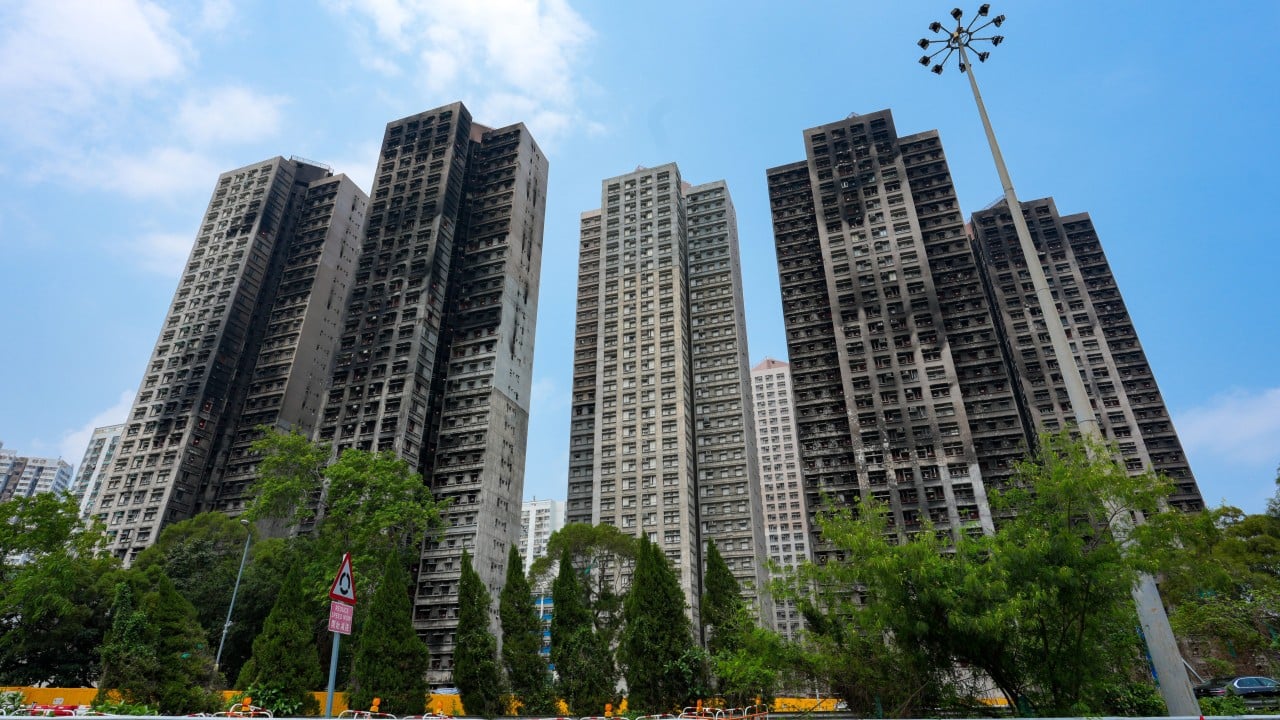
The inferno that ravaged seven of eight buildings at Wang Fuk Court for 43 hours from November 26 last year was the deadliest in Hong Kong since 1948, killing 168 people and displacing nearly 5,000.
Advertisement
The legal team for the independent committee investigating the fire previously attributed the tragedy to six “human factors”, including the replacement of windows with movable wooden boards at the towers’ rear staircases.
Labour Department senior occupational safety officer Li Man-pong said temporary openings in the eight 31-storey buildings at Wang Fuk Court allowed renovation workers easy access to scaffolding, as a code of practice barred them from climbing along bamboo ledgers.
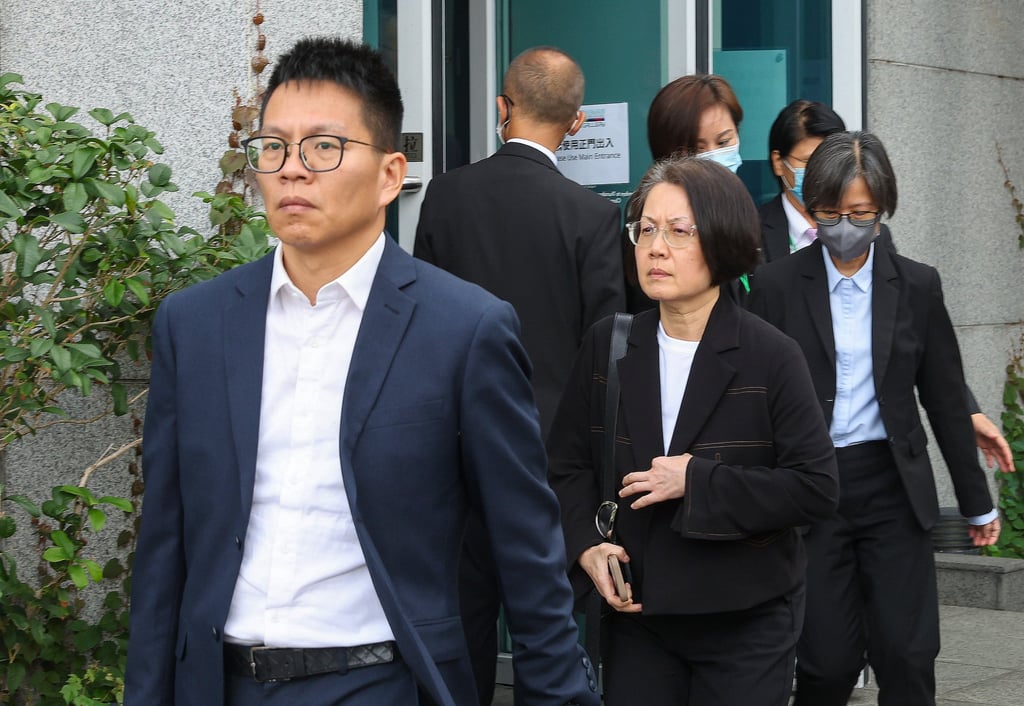
Committee chairman Mr Justice David Lok Kai-hong asked whether existing regulations fairly balanced workers’ welfare and residents’ safety.
Don't Miss:
-
Japan begins clean-up after Typhoon Dujuan kills 4, batters east
-
Indefinite time in psychiatric ward for Hong Kong man who fatally stabbed 2 in mall
-
Who needs a degree? South Korea’s chip boom rewires university-obsessed culture
-
Cambodia hosts anti-scam summit as scepticism lingers
-
‘Do teachers not have families?’: kindergartens’ Mid-Autumn events draw backlash