
 New documents show how a retail chain’s sales practices helped put guns on US streets
  Singapore a battleground of commodities fraud lawsuits
  From Propagandist to Criminal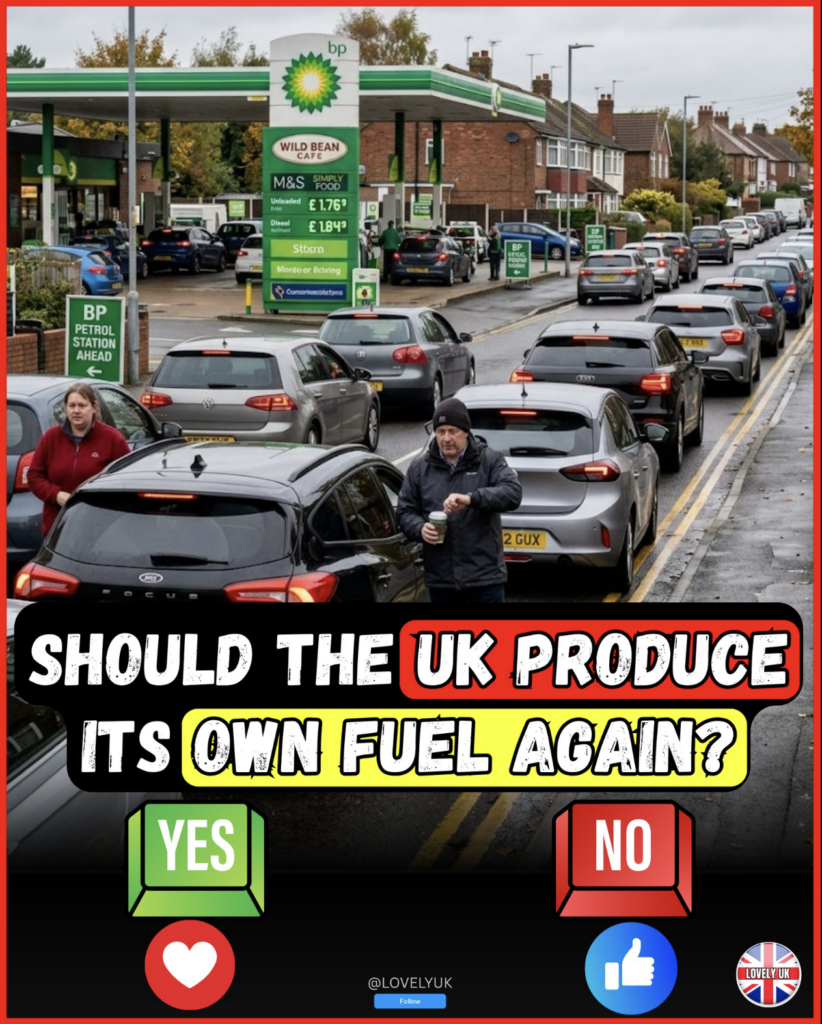
“The silent majority demands: restart domestic production – drill, refine, create British jobs, lower costs, secure supply,” reads the caption of an AI-generated image from the Facebook page “Lovely UK” – an account managed from Sri Lanka.
The image, along with dozens like it, shows a generic AI-generated scene of cars packed into a petrol station forecourt accompanied by text posing a seemingly innocent question: “Should the UK produce its own fuel again?”
Images and videos of this sort have been posted on Facebook in droves since the start of the American-Israeli war on Iran. Several of the pages originate in Sri Lanka and are seemingly part of a network pumping out AI slop to profit from the angry engagement.
Not all of the posts were so clearly in favour of expanded UK oil production, but the general theme of the content was “energy policy rage bait,” according to Richard Wilson, founder of climate campaign group Stop Funding Heat. In other words, trying to provoke outrage on the issue of UK energy production in order to maximise engagement and make money.
The posts reviewed by DeSmog generated at least 64,000 likes and 13,000 comments, reaching a massive number of UK Facebook users.
This engagement generates income for the page owners via revenue-sharing schemes introduced by Facebook and other social media giants. DeSmog identified 13 pages or groups that have been pumping out AI-created content about UK energy production.
At least four of these accounts are managed from Sri Lanka, while the others share much of the same content in the same format, without revealing their location.
One post from the page ‘Truth of Britain’ featured an AI-generated petrol station billboard stating: “Support UK Fuel Production” above an image of an oil rig. This post received 1,900 likes and featured comments calling for increased “drilling and fracking” in the UK.
Another image caption was more explicit about drilling the North Sea. “This country sits on its own oil reserves. North Sea oil built modern Britain. But instead of using what’s ours, we send billions abroad and let hardworking British families pick up the bill,” it stated.


All of these pages were removed by Facebook for violating the company’s policies when they were identified by DeSmog. Since then, more similar pages have appeared. A post from one of these pages on 1 April included a caption: “It’s absolute madness that while we have our own vast energy resources in the North Sea, we are forced to rely on expensive foreign energy imports! 🇬🇧⛽️”.
Following the war in Iran, which has sent energy prices spiralling, a major lobbying campaign has been launched to expand the UK’s North Sea oil and gas output. This campaign has been led by climate science deniers and fossil fuel interests – including the Conservative Party and Reform UK, both of which have received extensive donations from oil investors and climate deniers.
Yet, evidence shows that increased North Sea production would have a negligible impact on UK fuel prices, and only displace a maximum of around three percent of the country’s fossil fuel imports.
Facebook’s “Disinformation Incentive”
The accounts were active for long enough to push misleading pro-oil messages to hundreds of thousands of UK users.
This phenomenon is not limited to Facebook. DeSmog uncovered similar AI-generated, pro-oil content shared widely across other major social media platforms, including Instagram, TikTok and X. Some of this content was posted by pro-Reform UK and pro-Restore Britain accounts. Restore is a far-right party led by former Reform MP Rupert Lowe.
Facebook’s content monetisation policy, introduced in 2024, pays creators for generating high engagement, even on AI-generated content.
“Sadly, Facebook seems unlikely to clean up its act until it has a strong business incentive to do so,” Wilson said. “While Meta continues to enable hate, climate denial and energy policy rage bait, responsible advertisers should stop putting money into this toxic platform.”
All major social media companies have failed to clamp down on misleading content on their platforms.
According to whistleblowers, both Meta – Facebook and Instagram’s parent company – and TikTok allowed harmful content to gain popularity on their platforms after they learned that outrageous and often false information leads to higher engagement.
In January 2025, in the run-up to Donald Trump’s second inauguration, Meta CEO Mark Zuckerberg announced that its platforms would massively cut back on fact-checking efforts.
Facebook has the time and resources “to protect users from being preyed upon by political propagandists and grifters or radicalised by hatred,” said Philip Newell, communications co-chair of the Climate Action Against Disinformation coalition, “but instead apparently chose to make it so anyone, anywhere, can flood feeds with AI-generated hate and disinformation.
“And they knew users wouldn’t quit scrolling despite the degraded feeds because users couldn’t, as Meta deliberately chose to build an addictive product, as a jury has recently confirmed.”
He added: “Facebook’s AI slopaganda is the new Cambridge Analytica scandal.”
In the run-up to the 2016 Brexit referendum and Donald Trump’s first term election, consulting firm Cambridge Analytica unlawfully harvesting the information of 50 million Facebook users, which was used to deliver targeted political advertising.
Experts and public bodies – including the UK Electoral Commission – have now warned that fake, misleading AI content can “spread rapidly during elections”, with a quarter of UK voters saying they were exposed to “deepfakes” during the 2024 general election.
The Sri Lankan Connection
Sri Lankan influencers are flooding UK Facebook feeds with viral misinformation.
An investigation by the Bureau of Investigative Journalism (TBIJ), The Times, and the Institute for Strategic Dialogue in November found that one influencer was funding a lavish lifestyle by running Facebook pages that push “racist, Islamophobic and anti-migrant” AI content to British audiences.
The man in question, Geeth Sooriyapura, told TBIJ that he targets “old people … because they are the ones who don’t like immigrants.”
It’s unclear if Sooriyapura is behind the “energy rage bait” identified by DeSmog.
One of the pages identified by DeSmog was shown on-screen by Sooriyapura during a Facebook monetisation tutorial on YouTube.
Sooriyapura denied being responsible for the accounts when contacted, but the pages deploy many of his tactics for generating outrage and revenue.
Sooriyapura runs a YouTube channel, With Soori Academy, where he shares his tips for making money through AI-generated Facebook slop.
He encourages would-be Facebook hustlers to target profitable locations (where there are lots of active Facebook users) with AI-generated posts on divisive political issues that generate high engagement, using AI platforms ChatGPT and Grok to create the content.
He also provides viewers with tips on how to make Facebook pages look as if they are authentically based in the country they are posting about.
A number of the Facebook pages identified by DeSmog include the UK phone numbers and addresses of people and businesses that did not consent to their information being used, we confirmed by calling those numbers.
Another business claimed that its Facebook page had been hacked and was being used without permission as the AI slop page “Lovely UK”, although it’s unknown who conducted the hack.
“The rise of online advertising has made it easier to profit from hate and misinformation than at any time in history,” Wilson said. “It’s striking how often the same networks that monetise racist clickbait are also pushing dangerous lies about climate change.”
Don't Miss:
-
‘People’s Rights Are Being Signed Away,’ Claim Albertans Near Proposed Carbon Capture Project
-
Exclusive: Pig and Poultry Air Pollution Costs UK Over £130 Million a Year
-
Fossil Fuel Trade Group Chief Says Approving Rosebank and Jackdaw Would be ‘Climate Leadership’
-
AI Was Supposed to Cut Emissions. Instead, Fossil Fuel Companies Are Using It to Find More Oil and Gas.
-
Tony Blair Institute Brings Gas-Guzzling Tech Giants to Labour Conference