
 The Taliban’s New War Begins at Home
  Panama removed from EU’s tax haven ‘blacklist’ a decade after the Panama Papers
  Crackdown and Controversy: The Battle Over Beach Bars and Noise in Phuket’s Bang Tao
 The Singapore-headquartered company, last valued at US$1.1 billion in 2021, said on Tuesday it had achieved positive Ebitda – earnings before interest, taxes, depreciation and amortisation – for the first time, using the closely watched measure of operating performance. Revenue grew 18 per cent year on year to S$141 million (US$109 million).
For Carousell, founded in 2012 as a listings app where users could sell unwanted items, the milestone is also a test of its evolution from online classifieds into a more trusted, managed re-commerce business.
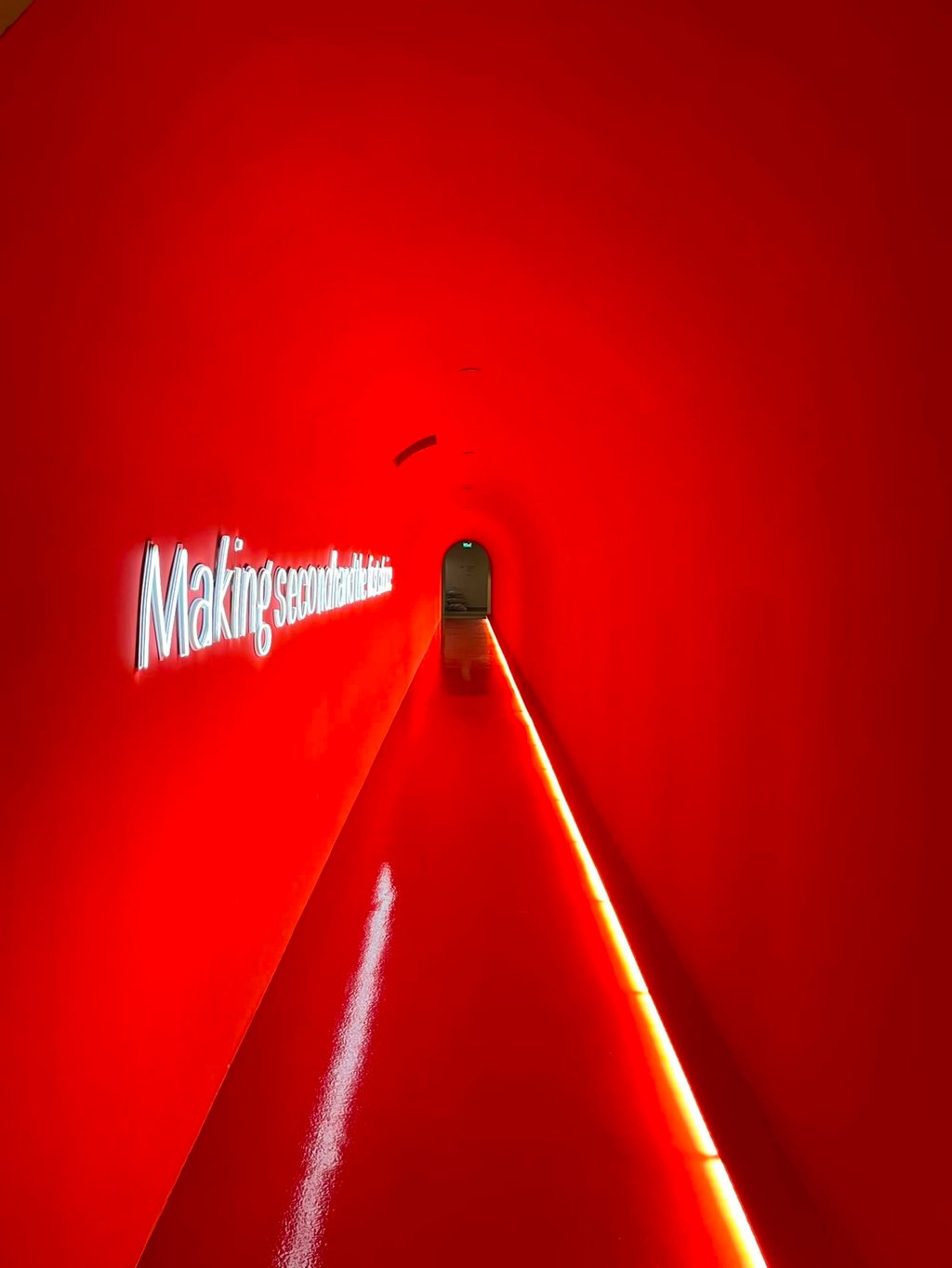
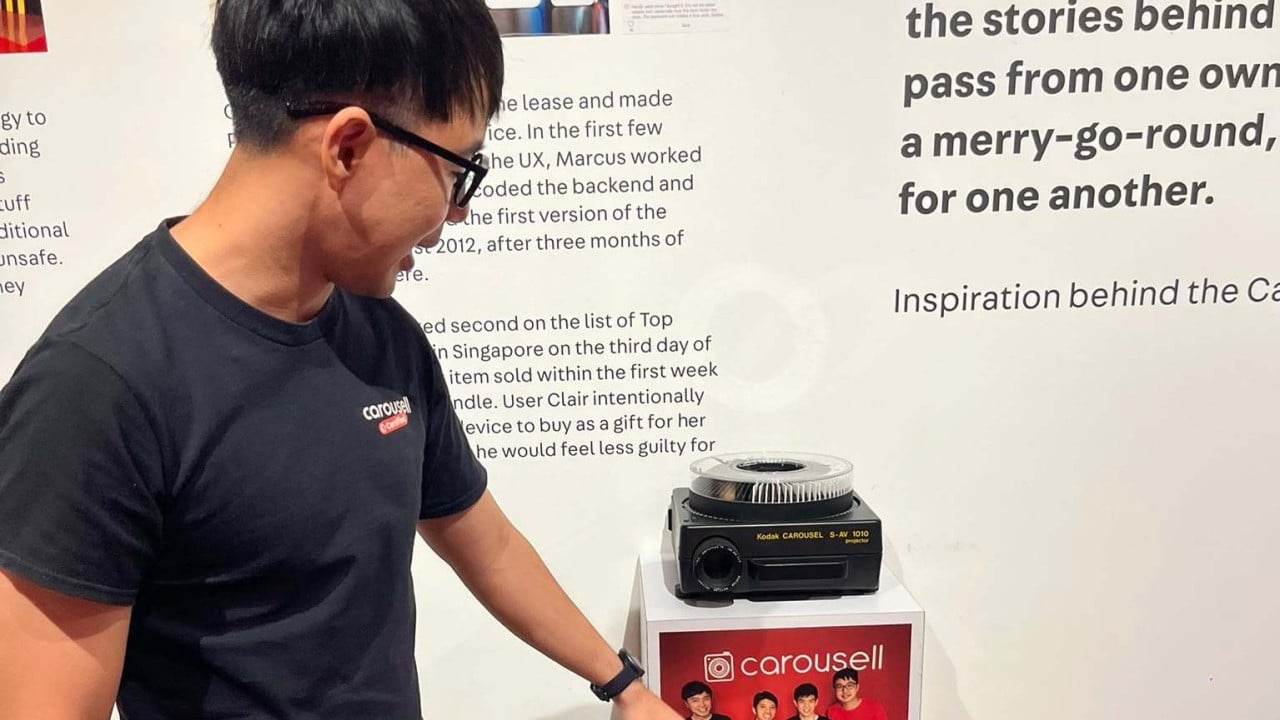
Speaking to This Week in Asia from Carousell’s office in Singapore’s start-up district one-north, co-founder Marcus Tan, who started the company with Quek Siu Rui and Lucas Ngoo, said the most rewarding part of the milestone was seeing years of investment in user experience begin to pay off.
“It’s a multi-year kind of transformation, so whatever happened today was built many years back, and I think we are forward-looking as well as excited about the growth ahead,” Tan said.
“To me the biggest thing is that all these things – the transformation – have really added to this whole financial milestone of profitability […] What’s even more important is that it’s not the end, it’s actually the start of a bigger leap ahead.”
According to Shing Tai Leung, chief strategy officer at Carousell, the company will focus on re-commerce – buying and selling second-hand items – going forward, in addition to its original purpose as an online classified listings app.
Don't Miss:
-
Drug Trafficking, U.S. Banks, and the Economic Reality Under Trump
-
Ivan’s Mob Beheads A Los Mayos Member
-
Ex-OFAC Official: The Cartel Risk Companies Can’t See | The InSight Take
-
Why Ecuador Is Losing Its Fight Against Organized Crime
-
‘El Cromo’ Arrested in Guadalajara; He Is Linked to a Group Affiliated with the CJNG