
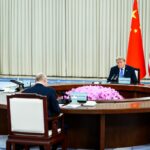
 Trump Enjoyed His Asian Spectacle. He Came Home Empty-Handed
 Medical device makers have gotten worse at disclosing when their products harm people, new study finds. The FDA let them.
 Anatomy of a Chinese loanbook


Pope Leo on Sunday recalled the “sorrow and great suffering” Angolans endured for centuries, as the American pope prayed at a Catholic shrine located at the site of an important hub of the African slave trade during Portugal’s colonial rule.
Leo travelled to the Sanctuary of Mama Muxima, nestled in the Angolan savannahs of baobab trees at the edge of the Kwanza River. It became a major pilgrimage destination after believers reported an appearance by the Virgin Mary around 1833.
But the Church of Our Lady of Muxima was originally built by Portuguese colonisers at the end of the 16th century as part of a fortress complex and it became a hub in the slave trade. It was where enslaved Africans were gathered to be baptised by Portuguese priests before being forced to walk to the port of Luanda, over 110km (70 miles) to the north, to be put on ships to the Americas.
Advertisement
He did not refer specifically to slavery. After viewing plans to build a basilica at the site, Leo urged the estimated 30,000 people gathered outside to also build “a better, more welcoming world, where there are no more wars, no injustices, no poverty, no dishonesty.”
Advertisement
Muxima’s history is emblematic of the Catholic Church’s role in the slave trade, the forced baptisms of enslaved people and what some scholars say is the Holy See’s continued refusal to fully acknowledge it and atone for it.

Don't Miss:
-
FBI Most Wanted “Chapo Isidro,” Leader of BLO/Guasave Cartel Arrested in Sinaloa, “El Musico” Possibly Killed
-
DEA’s #FugitiveFriday asks for tips on “El Tano” García Corrales, found dead in Sinaloa in 2024
-
Mocorito, Sinaloa: “El Pagador” and “El Chendo” of La FEA, arrested again 15 months after walking free
-
Zapopan: Marines arrest “El Topo,” alleged Los Deltas leader linked to journalist’s kidnapping; three gunmen killed
-
Open Position: English Language Editor