
 Rick Claypool on Pay to Play Corporate Crime Enforcement
  Labaton Launches Whistleblower Practice with Former SEC Acting Chair Allison Herren Lee
  Kremlin payment firm A7 has been pumping billions in ‘untraceable’ cash into global financial system
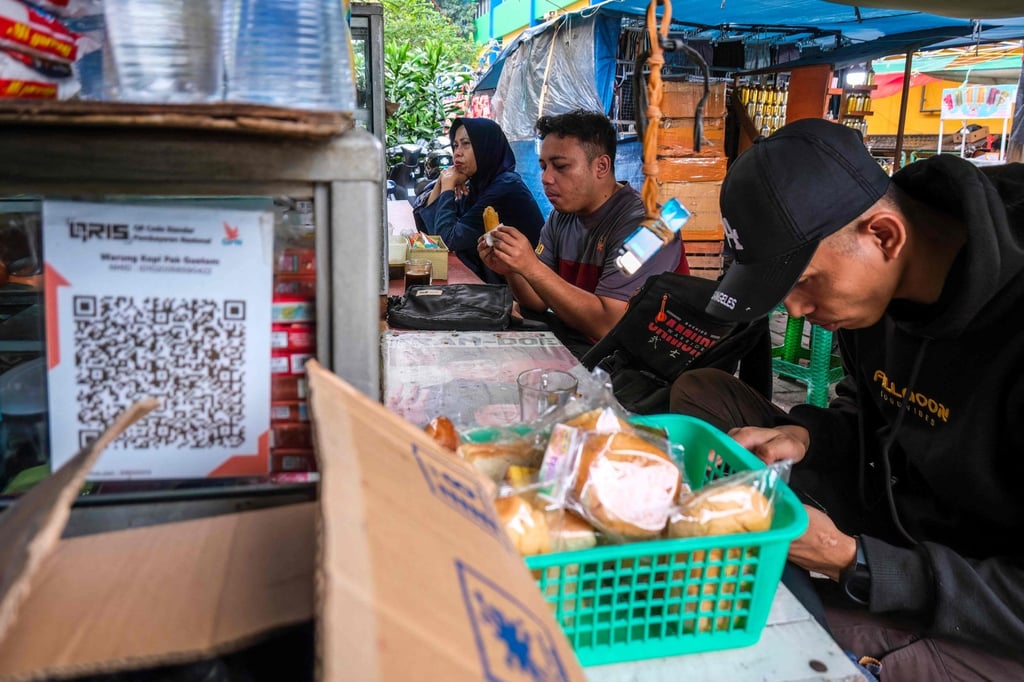
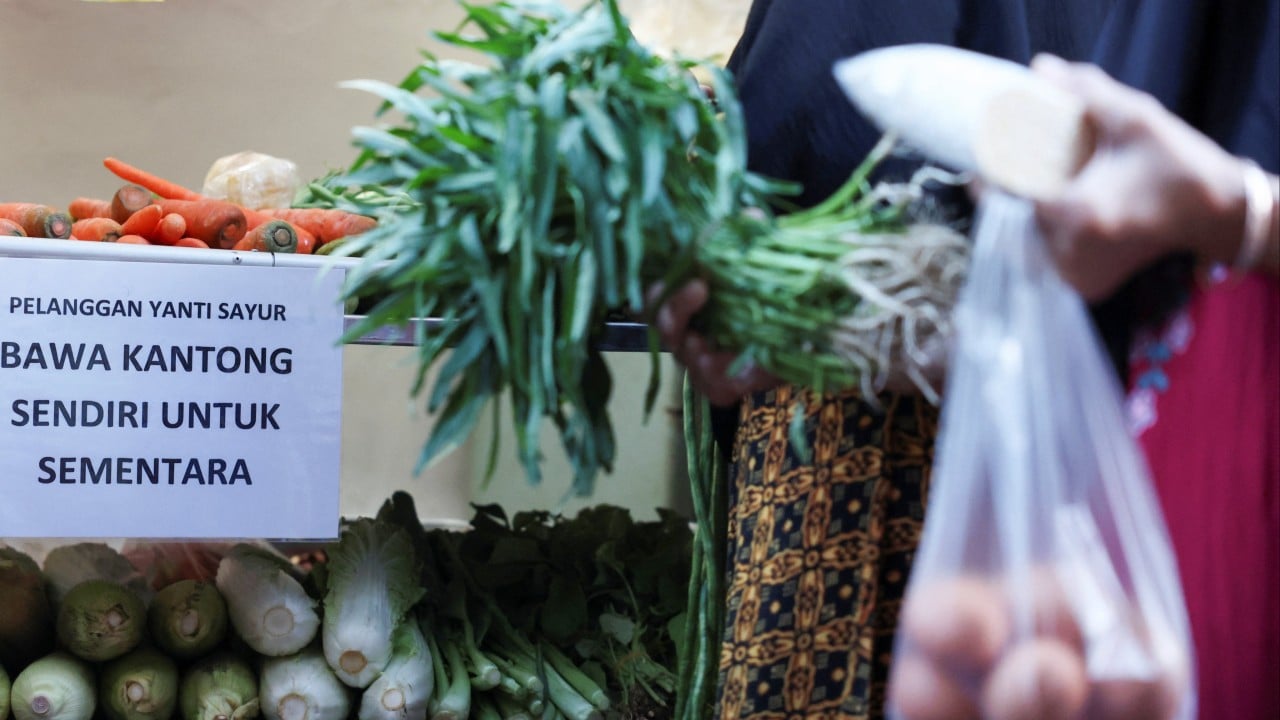
 At a market in Depok, south of Jakarta, the plastic bags Budi needs to sell his chicken have nearly doubled in price. “Plastic is really expensive right now,” he said in an interview on April 17.
“Usually, I’d have to set aside at least 10,000 rupiah (58 US cents) for plastic bags, but now, I need a minimum of 15,000-20,000 rupiah. It’s quite a lot if I buy in bulk.”
Advertisement
That may sound like small change. But for Budi, who sells chickens for a maximum of 50,000 rupiah per kilogram and operates on razor-thin margins, it is the difference between staying afloat and going under.
“If I don’t raise the price, I’ll suffer a loss … If I raise the price, buyers will run away,” he told CNBC Indonesia.
Advertisement
Multiply Budi’s predicament across millions of street vendors, market traders and small food businesses, and what begins as a mundane packaging story becomes a window into something much larger: the growing vulnerability of Indonesia’s economy to external shocks – and the weaknesses those shocks are beginning to expose.
Don't Miss:
-
A Total of 13 Mass Graves Have Been Found in Viesca Containing the Charred Remains of Men and Women
-
Jorge Luis Zambrano, alias “Rasquiña”
-
El Taliban Fell In Mazatlán… And What He Confessed Ties Everything Together
-
Inside the Camp at the Heart of Honduras’ Garífuna Land Struggle
-
This Is How the MataZetas Captured and Executed the Zetas