
 Canada revokes dozens of crypto firms’ registrations
  Questions swirl around US plans for record $15B Prince Group crypto seizure
  Donate to ICIJ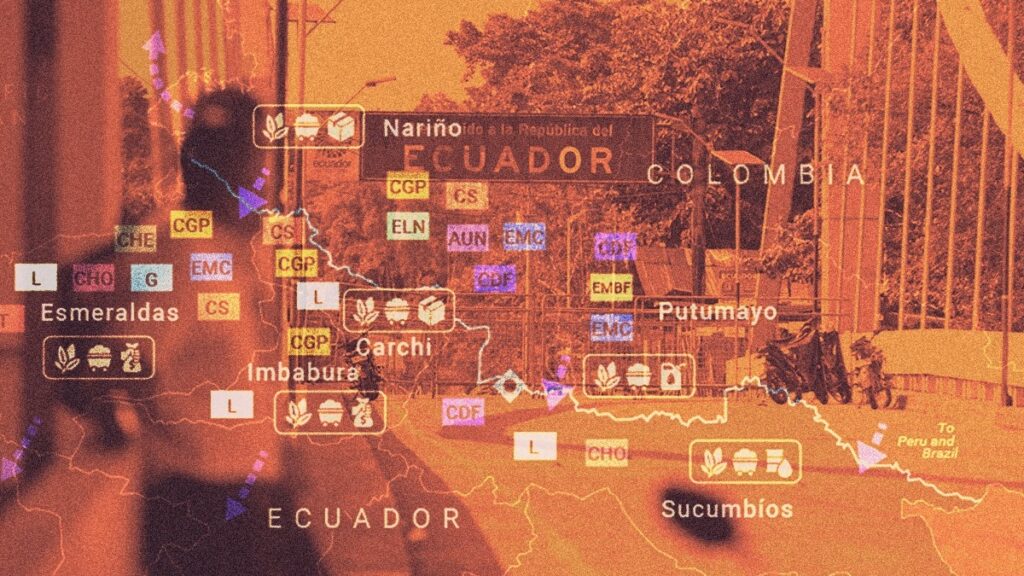
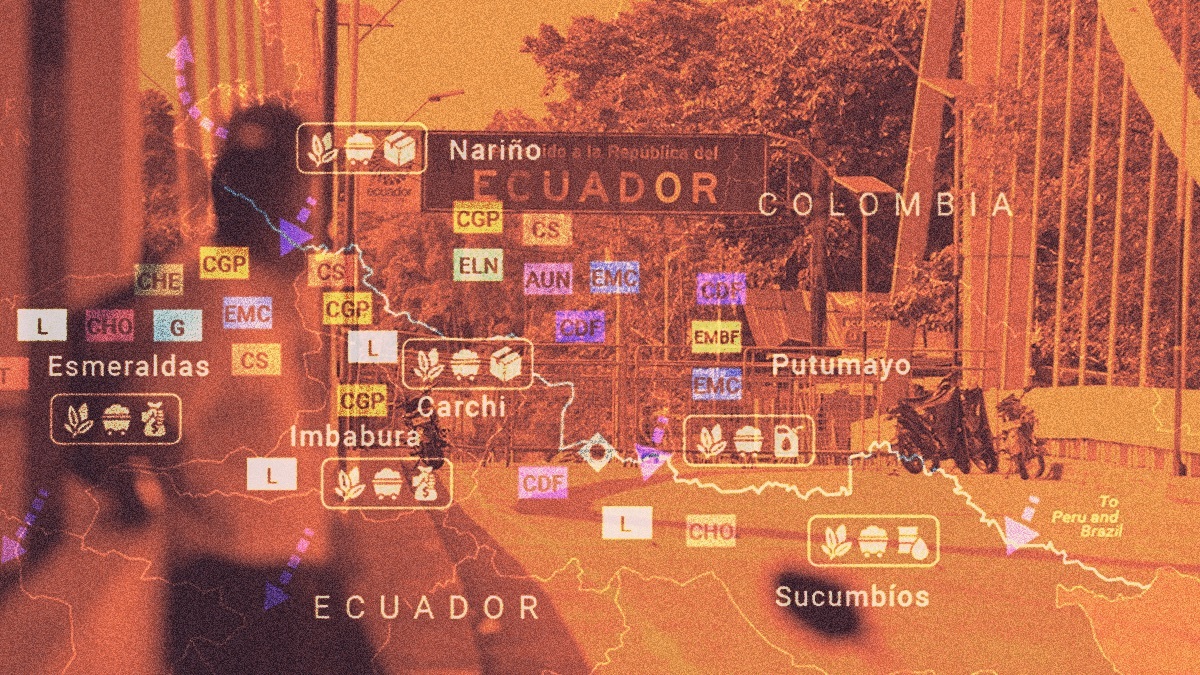
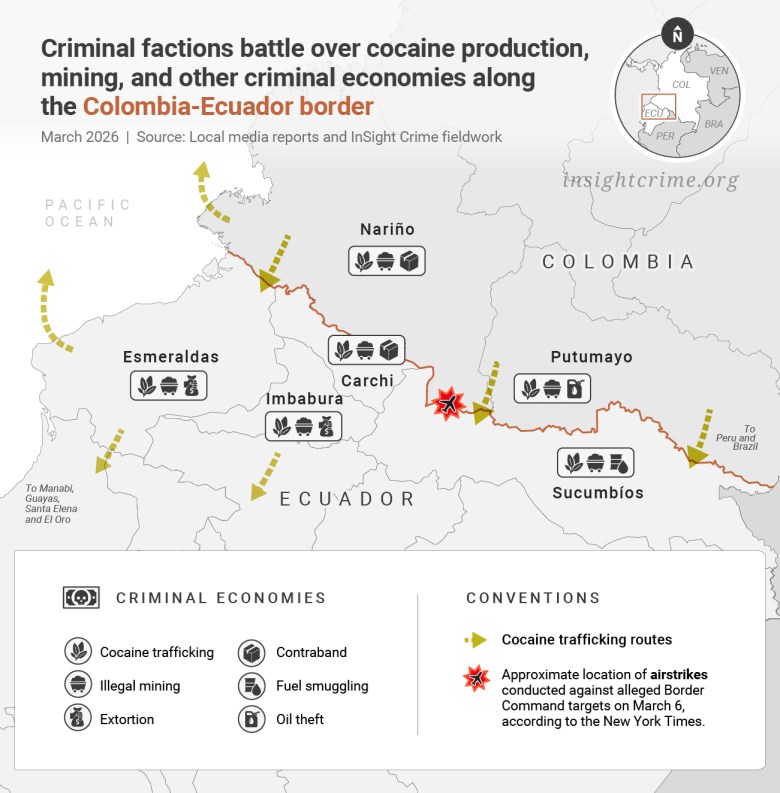
Ecuador’s armed forces, backed by the United States military, conducted airstrikes on camps on March 6 that they claim belonged to “narco-terrorist” groups along the country’s northern border with Colombia.
Ecuadorian President Daniel Noboa said the target of the strikes was the Border Command, a Colombian drug trafficking organization with a strong presence on both sides of the international line. Locals speaking to the New York Times claimed the military hit a dairy farm.
The attack exacerbated the already-tense relationship between Colombia and Ecuador. Farmers discovered an unexploded bomb meters from the border on the Colombian side, prompting President Gustavo Petro to accuse Noboa of conducting strikes in Colombian territory. Colombian authorities later walked back that statement, claiming the bomb likely made an initial impact in Ecuador before bouncing to the Colombian side.
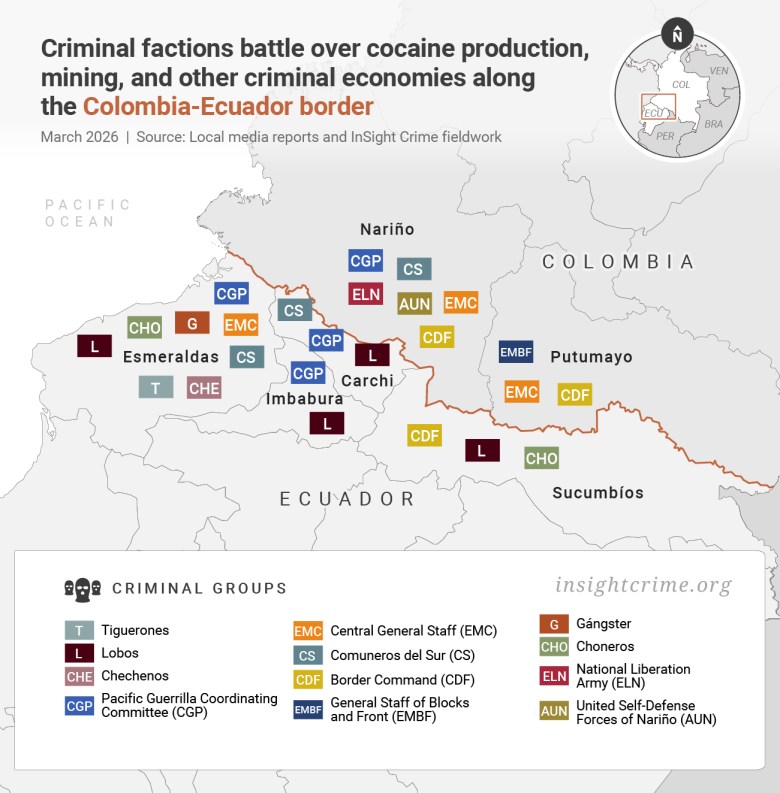
To contextualize this dispute, InSight Crime mapped the complex criminal dynamics at play in this border region, one of the world’s most important cocaine transit corridors. Traffickers move cocaine from the Colombian departments of Nariño and Putumayo—home to some of the country’s most productive coca fields—across the border to the Ecuadorian provinces of Esmeraldas, Carchi, and Sucumbíos. From there, networks export the drugs on go-fast boats, fishing vessels, and cargo ships to markets in North America, Europe, and elsewhere.
For decades, dozens of Colombian and Ecuadorian criminal factions have clashed along the border, seeking to gain a share of the lucrative cocaine trade. Criminal groups here also earn millions from illegal gold mining, contraband, fuel smuggling, human smuggling, extortion, and other criminal economies.
SEE ALSO: Unmasking the Foreign Players on Ecuador’s Criminal Chessboard
The strikes—and US involvement—are an escalation in the use of force in the border region. In 2008, Colombia bombed members of the Revolutionary Armed Forces of Colombia (Fuerzas Armadas Revolucionarias de Colombia – FARC) in Ecuador, killing high-ranking leader Luis Édgar Devia Silva, alias “Raúl Reyes.” That attack also triggered diplomatic tensions with Ecuador.
*Sara García contributed to this article.
Don't Miss:
-
Why Philippines may face ‘strategic dilemma’ over Nato partnership, US demands
-
Pain at the pump fuels EV rush in China, driving a timely boost for carmakers
-
Leading Chinese hypersonic aviation scientist Yan Hong dies at 56
-
Chinese market regulator tells firms to focus on healthy competition overseas
-
Beijing official visits Greater Bay Area cities to explore integrating Hong Kong