
 How Hungary’s richest man funneled millions into Orbán’s propaganda machine
  How Real Is the US Withdrawal from the Middle East?
  From Iran to China: An Emerging Trans-Central Asian Corridor
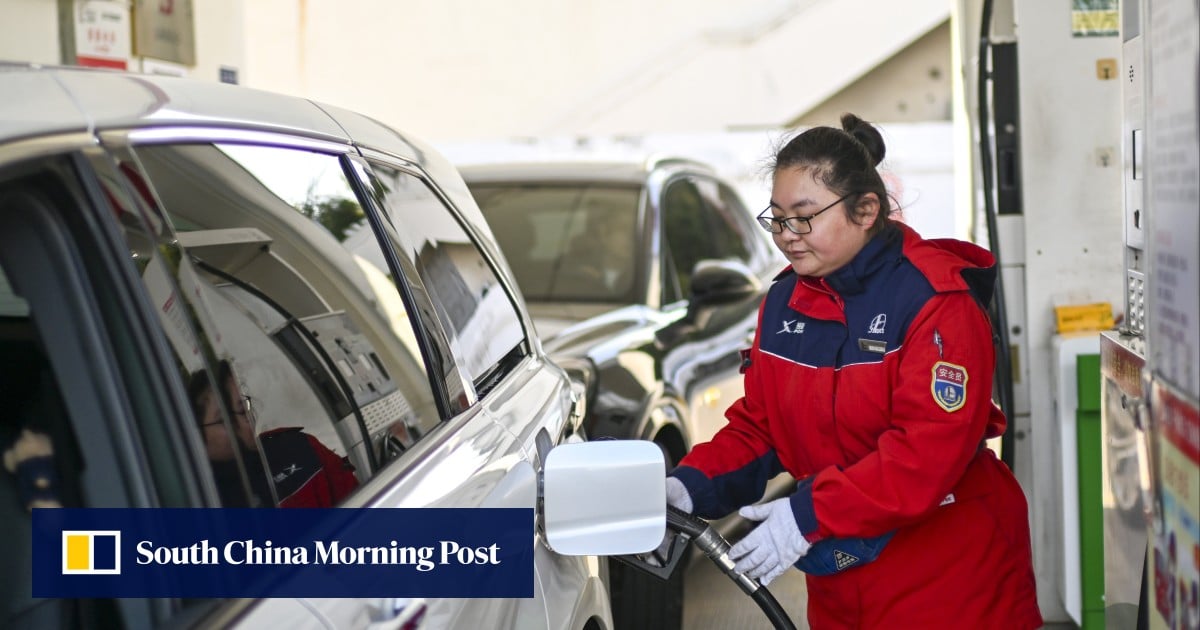
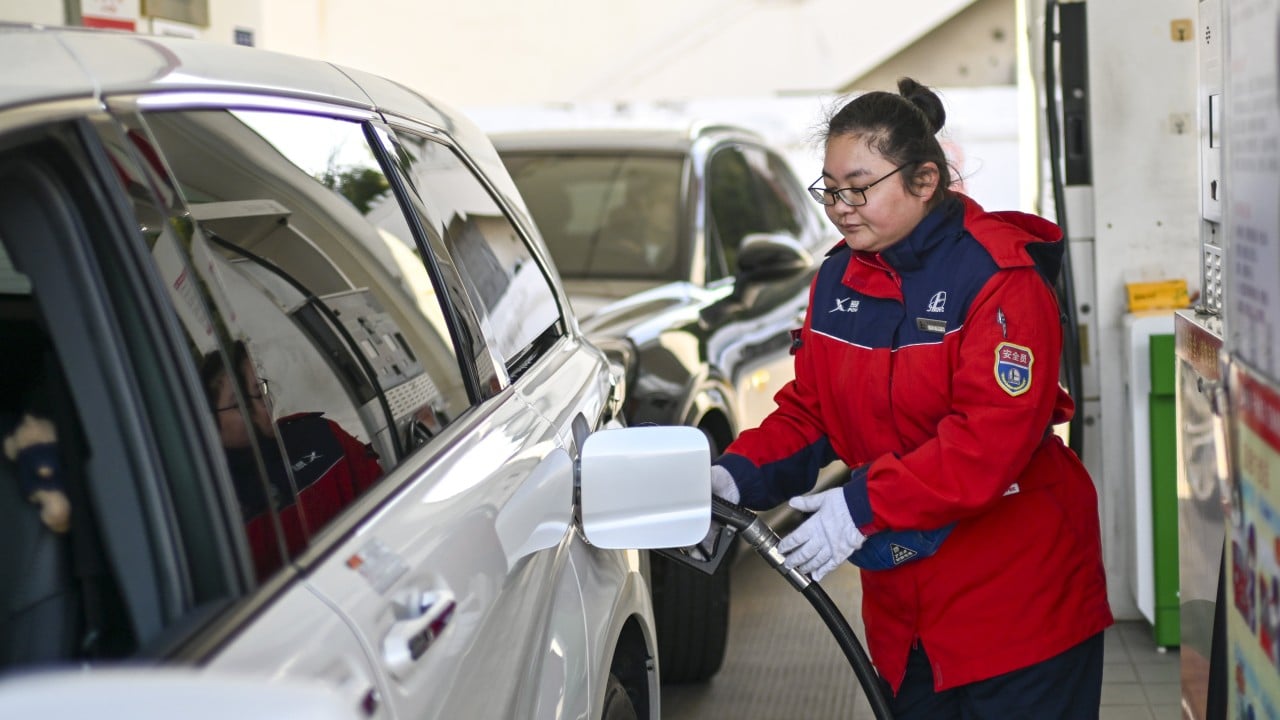
With Brent crude climbing past the psychologically significant US$100-a-barrel mark – and now trading above US$110 – mainland buyers are turning away from petrol vehicles, according to dealers and analysts.
“It’s a no-brainer for me now,” said Wang Wenbo, a 25-year-old first-time car buyer. “I was weighing the pros and cons last month and initially preferred petrol cars because I thought they were more reliable, but now I’d choose an electric vehicle to save money. Fuel costs would simply be too high at these oil prices.”
Advertisement
Earlier this week, China’s top economic planner raised retail petrol and diesel prices, although the increases were capped at about half the level dictated by the official pricing mechanism. Even so, Wang estimated the adjustment would add about 200 yuan (US$29) to his monthly fuel bill.
With no clear end to the US-Israel conflict involving Iran – and the Strait of Hormuz still closed – he said the case for EVs had strengthened further. “Chinese electric cars are already high quality and high performance; it just makes more sense now,” he added.
Advertisement
UBS estimated in early March that if oil prices held at around US$90 a barrel, annual fuel costs for petrol car owners would rise by roughly 2,000 yuan. With prices now well above that level, the pressure on drivers is intensifying.
Don't Miss:
-
US wraps up military mission in Iraq, giving Baghdad room to strengthen China ties
-
As China and the EU begin crunch trade talks, optimism is in short supply
-
Data centre opposition is growing in Australia. Is there a middle ground?
-
Helper arrested for allegedly slapping 5-year-old boy after he refuses to eat
-
Workers, mostly Indian, building US consulate in Milan agree to record settlement