
 Rick Claypool on Pay to Play Corporate Crime Enforcement
  Labaton Launches Whistleblower Practice with Former SEC Acting Chair Allison Herren Lee
  Kremlin payment firm A7 has been pumping billions in ‘untraceable’ cash into global financial system
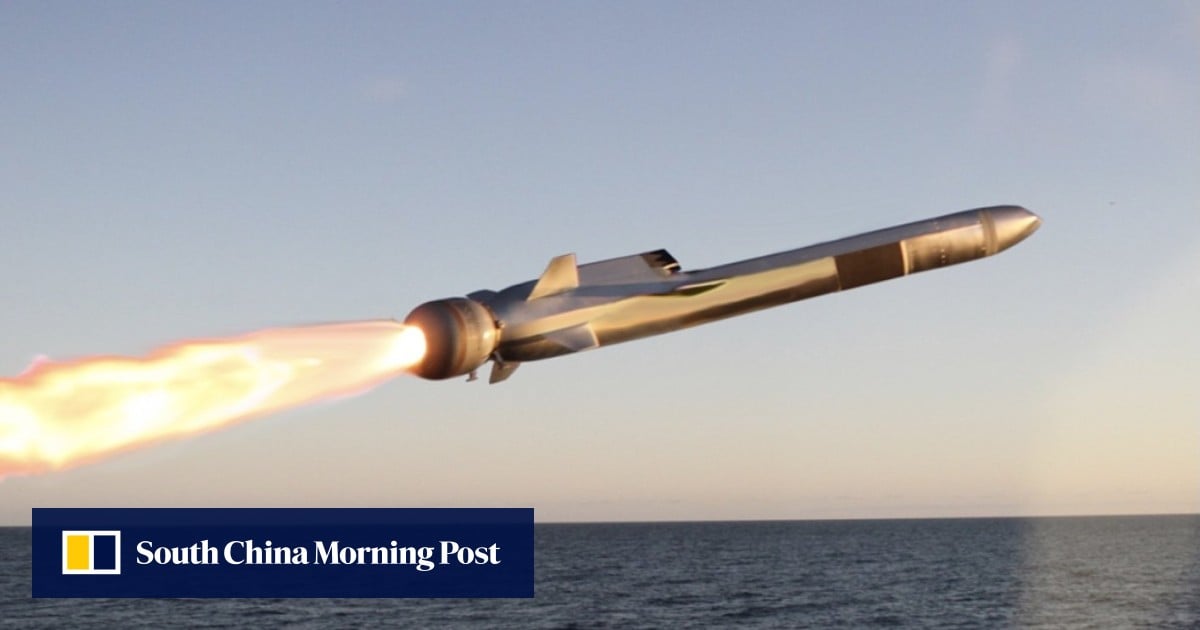
Malaysia’s Defence Minister Mohamed Khaled Nordin slammed the international community’s “muted” response on Sunday at a security forum over Norway’s decision to scrap a missile deal with Kuala Lumpur.
In a charged speech at the Shangri-La Dialogue in Singapore, Khaled said the “deafening silence” on Oslo’s cancellation of the agreement sent a message that certain countries were “simply above scrutiny”, questioning if global rules were subject to the will of bigger powers.
Earlier this month, the Scandinavian country stopped Norwegian company Kongsberg Defence & Aerospace (KDA) from completing the delivery of Naval Strike Missiles to Malaysia.
Advertisement
The Southeast Asian nation said it had already paid 95 per cent of the contract, valued at US$146.4 million, for the weapons systems meant to equip its littoral combat ship fleet.
Khaled said developing nations faced condemnation and pressure when violating agreements, but when powerful countries or their allies did the same, the international response became “conspicuously muted”.
Advertisement
He said international frameworks were now being disregarded and “selectively interpreted” when they did not align with geopolitical interests.
Don't Miss:
-
A Total of 13 Mass Graves Have Been Found in Viesca Containing the Charred Remains of Men and Women
-
Jorge Luis Zambrano, alias “Rasquiña”
-
El Taliban Fell In Mazatlán… And What He Confessed Ties Everything Together
-
Inside the Camp at the Heart of Honduras’ Garífuna Land Struggle
-
This Is How the MataZetas Captured and Executed the Zetas