
 When Great Powers Talk, Who Speaks for Asia
  About the China Capital investigation
  Frequently asked questions about the China Capital investigation
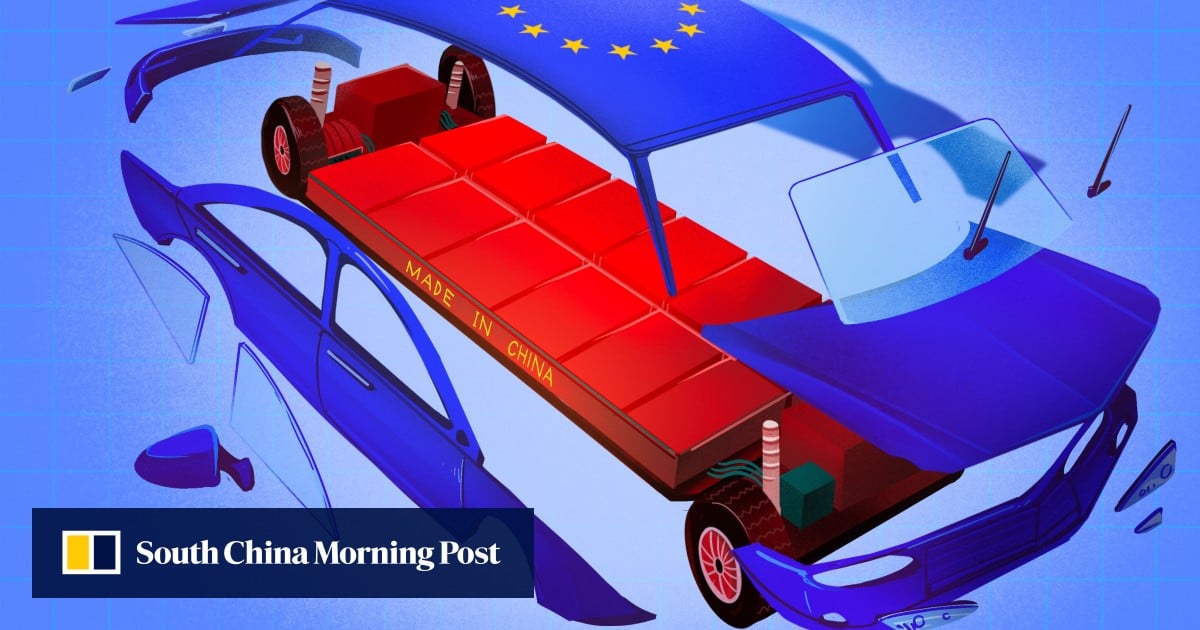
A crown jewel of Europe’s industrial output, the automotive sector represents directly and indirectly a total of more than 13 million jobs in the EU.
But the obituaries may have been written too soon. A growing number of industry insiders said European brands could pull level with their Chinese rivals in cost, some predicting parity could come as soon as 2028 or 2029. Their careful optimism came hedged with caveats, but the gap that once looked fatal might finally be beginning to close.
For Harald Hendrikse, European head of autos research at Citi, who proposed the 2028 to 2029 time frame in a May note, reaching it rested on two pillars: the correct implementation of the “Made in EU” requirements in the proposed Industrial Accelerator Act (IAA), and continued European access to Chinese technology and know-how.
“The most important thing is the fact that the Chinese are completely open, the Chinese industry is completely open to working with Western manufacturers, which means that basically, even relatively new Chinese technology is coming very quickly to Europe,” Hendrikse said.
Don't Miss:
-
China urges ‘constructive dialogue’ with EU in high-level call with France
-
Hong Kong airport builds third runway with strategy to help marine environment thrive
-
Cambodia, Thailand take US$300 billion seabed dispute to UN
-
Hong Kong visitor arrivals hit post-pandemic monthly high in August
-
Indonesian finance minister found out about his firing in mid-meeting phone call