
 The Taliban’s New War Begins at Home
  Panama removed from EU’s tax haven ‘blacklist’ a decade after the Panama Papers
  Crackdown and Controversy: The Battle Over Beach Bars and Noise in Phuket’s Bang Tao
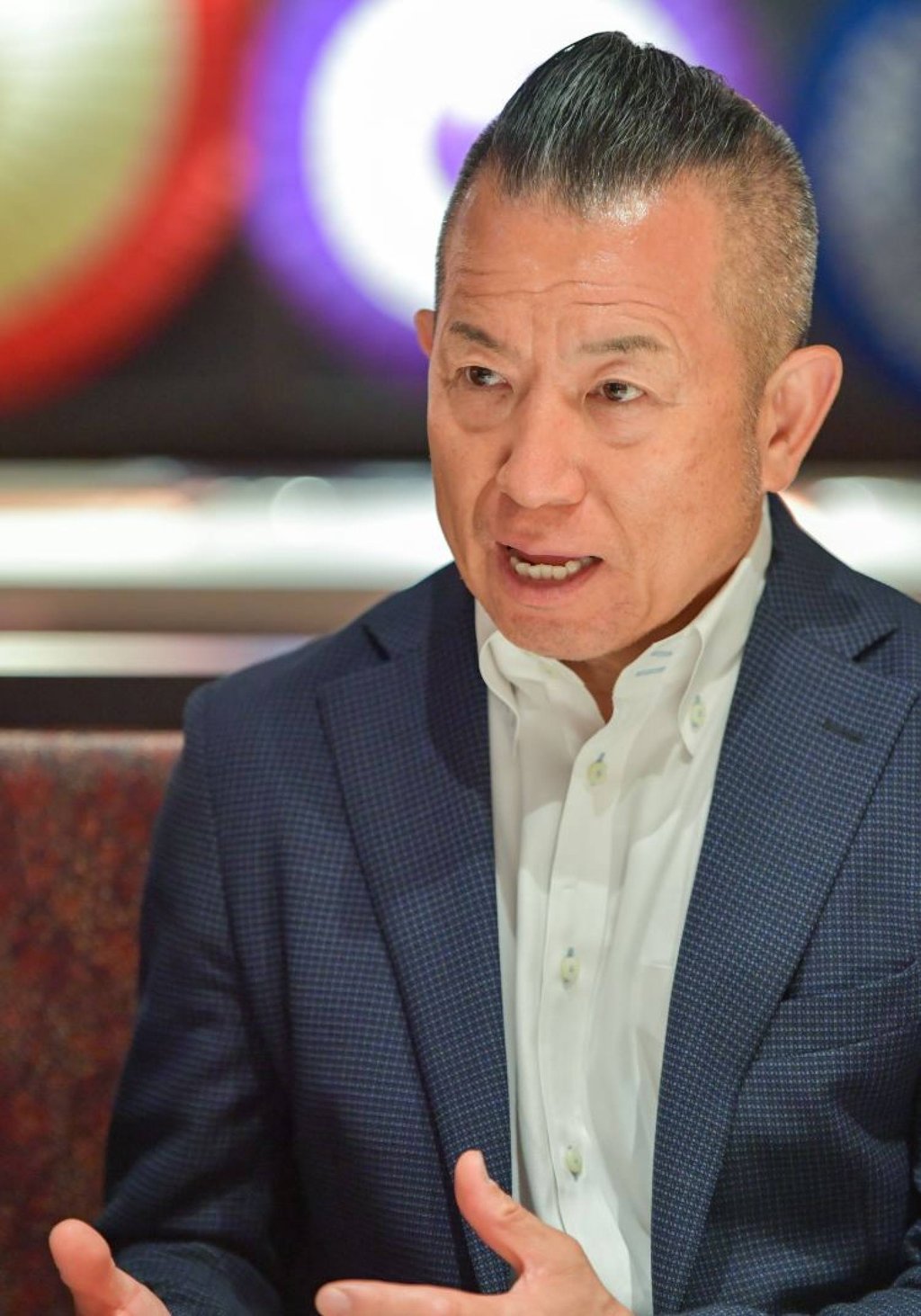
 Founder Kiyomi Akagi, now in his mid-sixties, faced a question confronting a growing number of ageing owners: who would take over?
With no successor prepared to manage the company’s 50 restaurants, Akagi chose an increasingly common solution in Japan’s succession crisis – selling the business through mergers and acquisitions to secure its future.
Search funds, private equity firms and M&A brokers are stepping in, reshaping what succession means and looks like in a country where businesses have traditionally passed down through families.
Business-owning families would protect the future of their companies through measures including adopting a male heir with leadership skills. Demographic decline and different attitudes to work, however, have changed the landscape.
Raised in a fishing family in Yamaguchi prefecture, Akagi’s path to the Kobe beef business was anything but direct. Before building the chain, he worked a variety of jobs and ran a seafood izakaya.
Don't Miss:
-
Drug Trafficking, U.S. Banks, and the Economic Reality Under Trump
-
Ivan’s Mob Beheads A Los Mayos Member
-
Ex-OFAC Official: The Cartel Risk Companies Can’t See | The InSight Take
-
Why Ecuador Is Losing Its Fight Against Organized Crime
-
‘El Cromo’ Arrested in Guadalajara; He Is Linked to a Group Affiliated with the CJNG