
 The Taliban’s New War Begins at Home
  Panama removed from EU’s tax haven ‘blacklist’ a decade after the Panama Papers
  Crackdown and Controversy: The Battle Over Beach Bars and Noise in Phuket’s Bang Tao
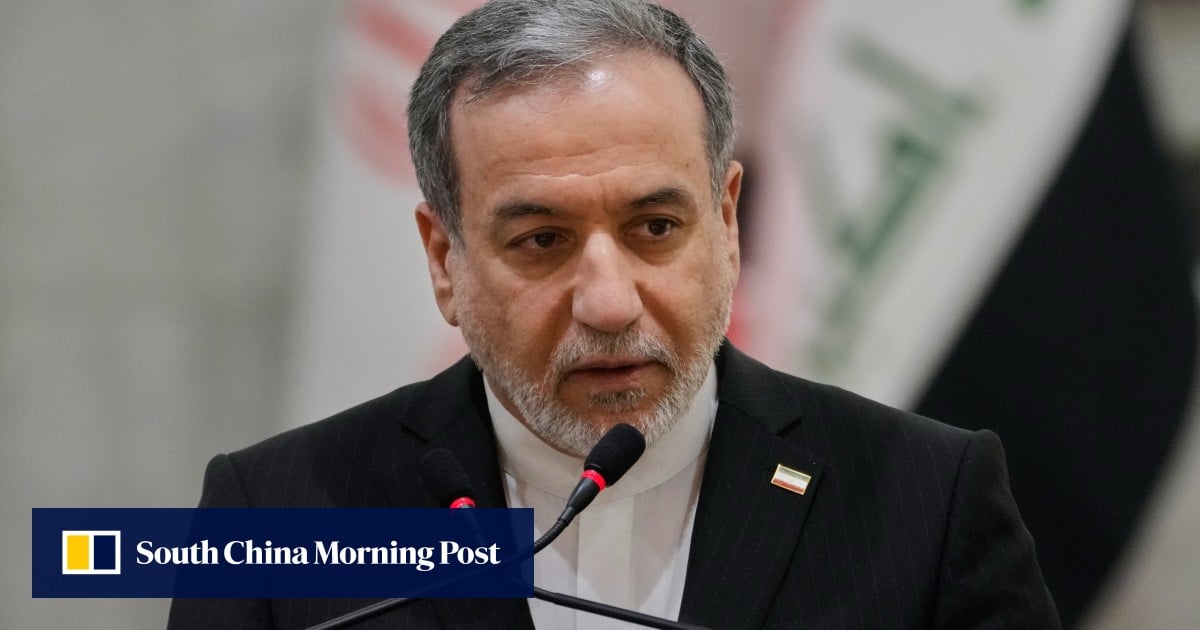
Iran’s top diplomat warned on Sunday that any attempt by ships to bypass its preferred route through the Strait of Hormuz would “increase tensions” in the Middle East, as US and Iranian forces again traded attacks.
The exchanges underscored the fragility of a Pakistan-brokered agreement aimed at ending the war launched by the United States and Israel in February that disrupted shipping through the strait and rattled global energy markets.
Although a ceasefire took effect in April, sporadic violence has continued in the Gulf region, with ships passing through the Strait of Hormuz often the spark.
Tehran was angered this week by Oman’s announcement of an alternative route through the strait that hugged the Omani shoreline, which Muscat said was in conjunction with the International Maritime Organization.
Iran has continued to insist on controlling passage through the vital strait, through which a fifth of the world’s oil and liquefied natural gas travel in normal times. It did not enjoy such control before the war.
The strait comprises Omani and Iranian territorial waters but under customary international law the two cannot generally block passage or charge tolls.
Don't Miss:
-
Drug Trafficking, U.S. Banks, and the Economic Reality Under Trump
-
Ivan’s Mob Beheads A Los Mayos Member
-
Ex-OFAC Official: The Cartel Risk Companies Can’t See | The InSight Take
-
Why Ecuador Is Losing Its Fight Against Organized Crime
-
‘El Cromo’ Arrested in Guadalajara; He Is Linked to a Group Affiliated with the CJNG