
 Anwar Ibrahim: The Man Who Became the Compromise
  The US is letting a convicted Bolsonaro spy chief stay in Florida. Brazil wants answers.
  Rick Claypool on Pay to Play Corporate Crime Enforcement
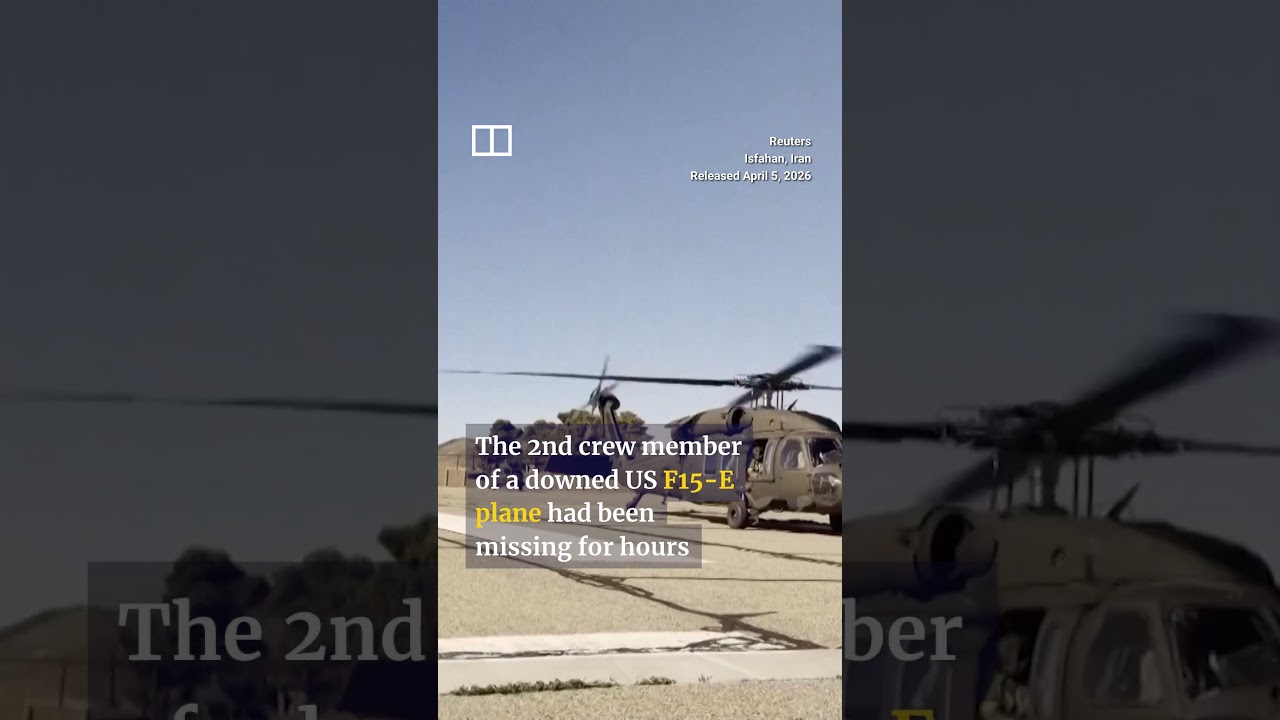
Russia and China on Tuesday vetoed a UN Security Council resolution aimed at reopening the Strait of Hormuz that had been repeatedly watered down in hopes those two countries would abstain.
The vote – 11-2, with two abstentions from Pakistan and Colombia – took place just hours after US President Donald Trump issued an unprecedented threat that a “whole civilisation will die tonight” if Iran does not open the strategic waterway and make a deal before his 8pm deadline.
One-fifth of the world’s oil typically passes through the strait, and Iran’s stranglehold during the war has sent energy prices soaring.
Advertisement
“Failing to adopt this resolution sends the wrong signal to the world, to the people of the world,” Abdullatif bin Rashid Al Zayani, Bahrain’s foreign minister, said after the vote – “the signal that the threat to international waterways can pass without any decisive action by the international organisation responsible for the maintenance of international peace and security”.
Al Zayani had asked before the vote if the international community would accept being “held hostage to economic blackmail,” pointing to Iran’s threats to global trade and food security by blocking the strait.
01:04
Trump’s fiery, foul-mouthed message threatening Iran draws criticism
Trump’s fiery, foul-mouthed message threatening Iran draws criticism
It is doubtful the resolution introduced by Bahrain, even if it had been adopted, would have affected the war, now in its sixth week, because it was been significantly weakened to try to get Moscow and Beijing to abstain rather than veto it.
Don't Miss:
-
Organized Crime Postponed Democracy in Haiti, Again
-
Organized Crime Postponed Democracy in Haiti, Again | The InSight Take
-
Unstoppable Violence in Michoacán: 31 Police Officers Killed, and Criticism of the Government Mounts
-
A Total of 13 Mass Graves Have Been Found in Viesca Containing the Charred Remains of Men and Women
-
Jorge Luis Zambrano, alias “Rasquiña”