
 The Taliban’s New War Begins at Home
  Panama removed from EU’s tax haven ‘blacklist’ a decade after the Panama Papers
  Crackdown and Controversy: The Battle Over Beach Bars and Noise in Phuket’s Bang Tao
 Colombia’s president-elect Abelardo de la Espriella on Tuesday suspended the transition process with President Gustavo Petro and accused him of planning a coup to stay in power, after the outgoing leader refused to recognise results of the country’s election.
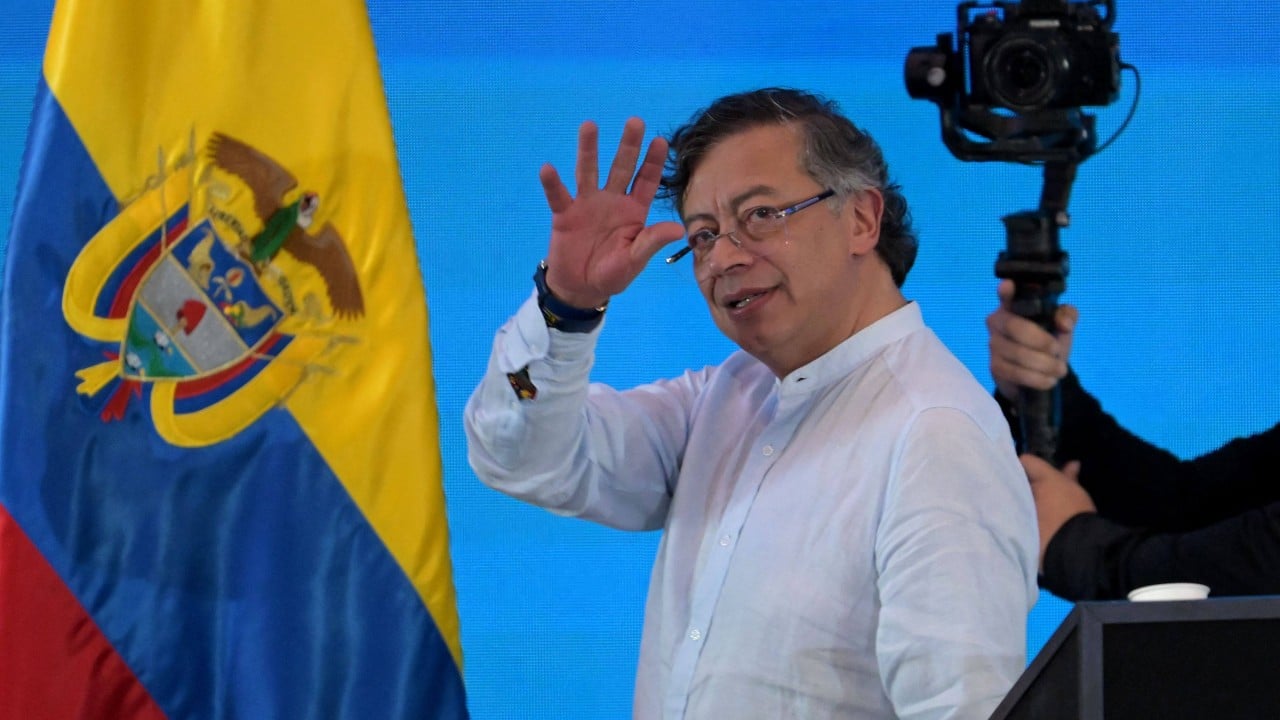
Petro said on Monday that he refused to recognise de la Espriella’s victory in the June 21 presidential run-off election over the Petro coalition’s candidate Senator Ivan Cepeda, alleging fraud without providing evidence.
The conservative, Trump-endorsed de la Espriella said in a video posted on Tuesday on social media that Petro and Cepeda had launched a plan to “cling to power at all costs” through “a coup d’état” by refusing to recognise his victory. He did not provide evidence to support the allegation, and Petro did not immediately respond to it.
“As president-elect, I call on Colombia’s armed forces to honour their oath to protect the Constitution and democracy and to disobey any orders from Petro to the contrary,” de la Espriella said.
He also called on the international community to monitor the transfer of power and urged his supporters to “resist” until his inauguration on August 7.
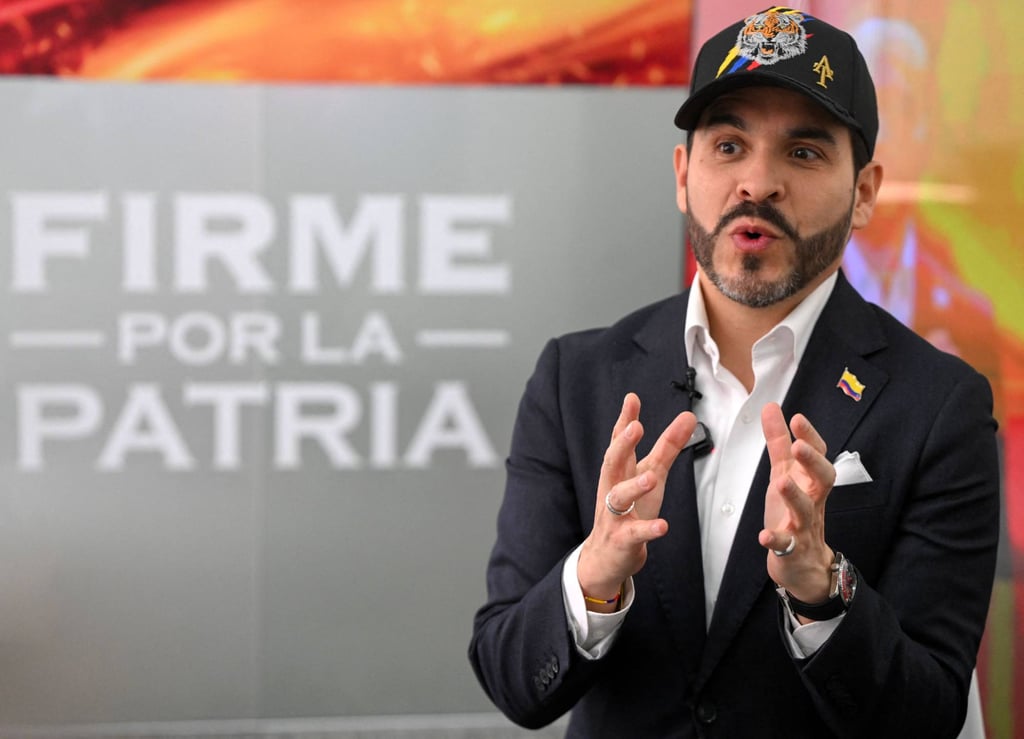
The presidential transition, known in Colombia as “empalme,” in which the outgoing administration provides the president-elect with the information to prepare for governing, has been marked by mutual accusations between political rivals Petro and de la Espriella.
Don't Miss:
-
Drug Trafficking, U.S. Banks, and the Economic Reality Under Trump
-
Ivan’s Mob Beheads A Los Mayos Member
-
Ex-OFAC Official: The Cartel Risk Companies Can’t See | The InSight Take
-
Why Ecuador Is Losing Its Fight Against Organized Crime
-
‘El Cromo’ Arrested in Guadalajara; He Is Linked to a Group Affiliated with the CJNG