
 The Taliban’s New War Begins at Home
  Panama removed from EU’s tax haven ‘blacklist’ a decade after the Panama Papers
  Crackdown and Controversy: The Battle Over Beach Bars and Noise in Phuket’s Bang Tao
 Joab Jorge runs Dream Latte Cafe, a speciality coffee shop and small-batch roastery, with his mother Ces out of their old ancestral home in Pilar, a town in Bataan province some 180km (112 miles) northwest of Manila.
Rising electricity costs and frequent blackouts have put a strain on the business, which has already had to raise prices by 10 per cent to cover higher costs for goods and imported coffee beans since the energy crisis triggered by the closure of the Strait of Hormuz in February.
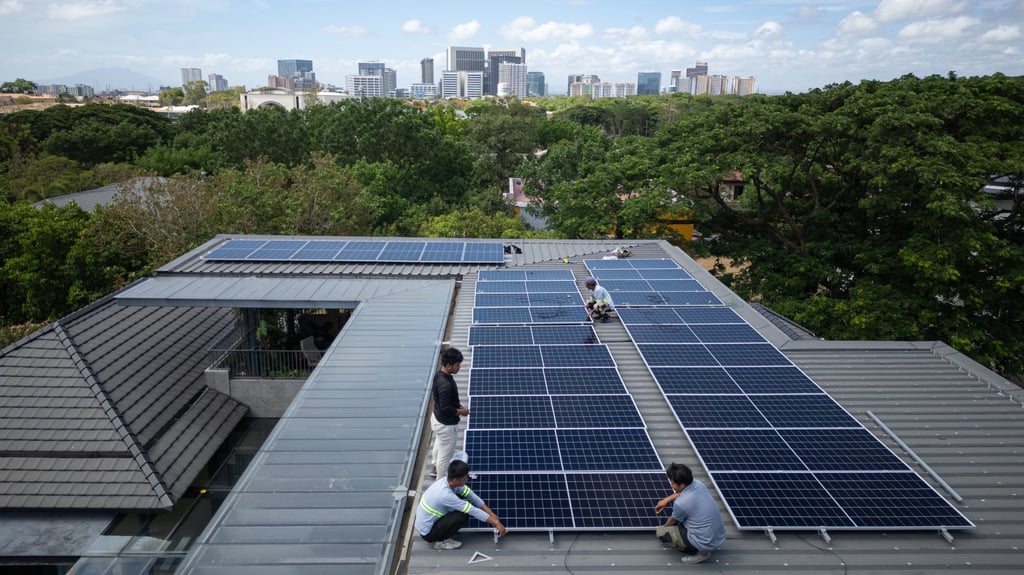
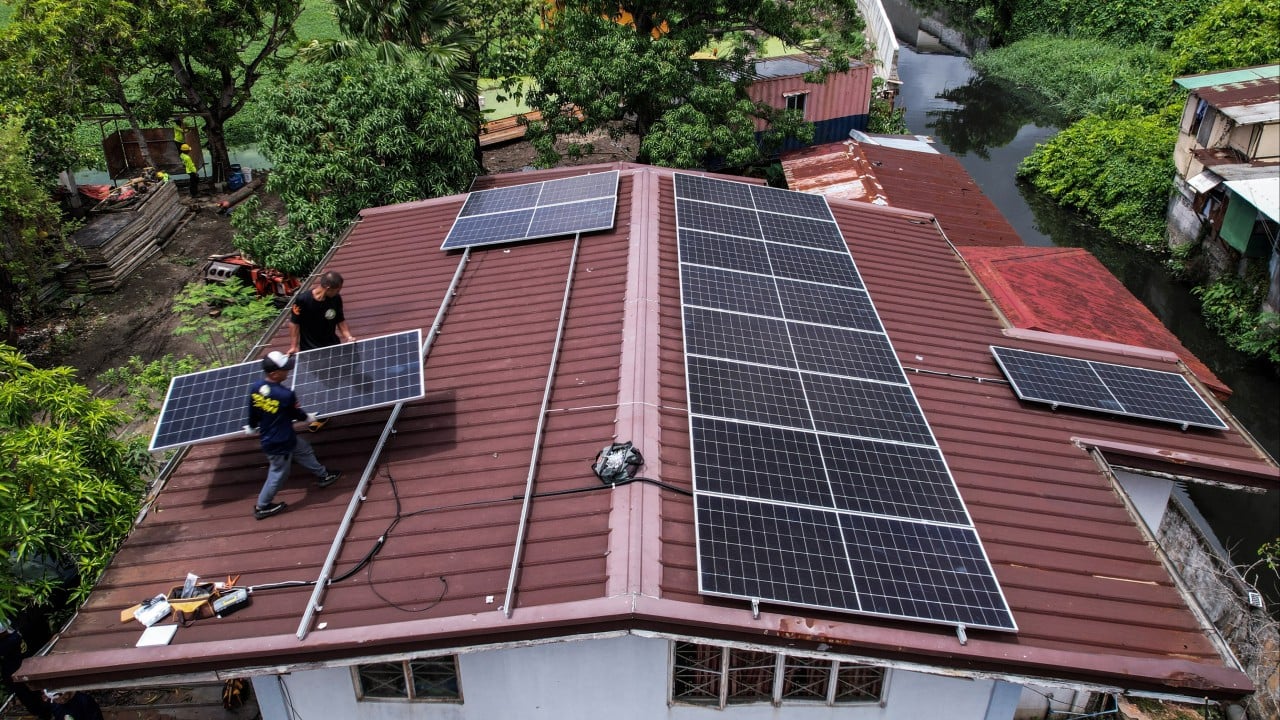
The squeeze pushed Jorge and his mother, 60, to consider installing solar panels to guard against the outages, which Ces said were “bad for business” because they could shut the cafe for hours at a time. “Who’s going to come to you then?”
The pair have seen promising results since installing a hybrid solar system at home, where they carry out part of their business, including roasting coffee beans and baking the pastries sold at the cafe.
“Before using solar panels, we couldn’t run everything at the same time. If she was baking and I was roasting, the lights would dim. We’d have to take turns. Now, there is no problem,” said Jorge, 30.
Don't Miss:
-
Drug Trafficking, U.S. Banks, and the Economic Reality Under Trump
-
Ivan’s Mob Beheads A Los Mayos Member
-
Ex-OFAC Official: The Cartel Risk Companies Can’t See | The InSight Take
-
Why Ecuador Is Losing Its Fight Against Organized Crime
-
‘El Cromo’ Arrested in Guadalajara; He Is Linked to a Group Affiliated with the CJNG