
 Rick Claypool on Pay to Play Corporate Crime Enforcement
  Labaton Launches Whistleblower Practice with Former SEC Acting Chair Allison Herren Lee
  Kremlin payment firm A7 has been pumping billions in ‘untraceable’ cash into global financial system
 There seems to be no end to the harm arising from US President Donald Trump’s madcap war on Iran. Go beyond the direct tragic impact across Iran itself, the collateral damage from Tehran’s effective closure of the Strait of Hormuz, and its ad hoc assaults on US allies in the region: beyond the burgeoning impact of shortages of oil, gas, hydrogen, helium and sulphur, and the prospect of food shortages arising from the collapse in fertiliser supplies; beyond the hardships of tens of thousands of seamen stranded on ships anchored around the strait.
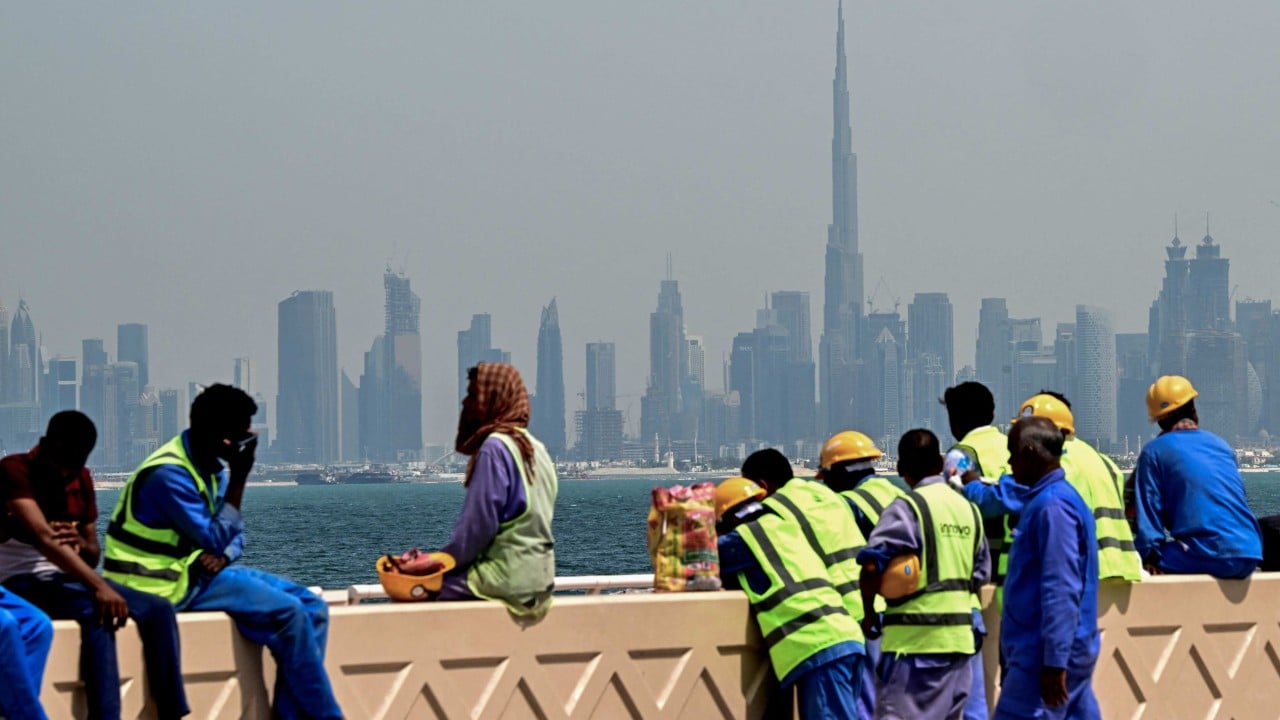
Beyond all these, perhaps the most underappreciated dimension of the conflict is the mounting damage to huge migrant worker communities and the billions of dollars in remittances they send home monthly.
Around 200 million international migrant workers are thought to remit funds that support 800 million people back at home. The International Labour Organization says migrant workers make up close to 5 per cent of the global labour force; the World Bank puts officially recorded remittances to low- and middle-income countries at US$685 billion in 2024, more than aid or foreign investment.
Advertisement
Around 35 million of these migrant workers are based in large concentrations in the Gulf region. In the United Arab Emirates (UAE) and Qatar in particular, where close to 90 per cent of the population are non-nationals, migrant workers are part of an extraordinary social experiment, filling positions that the small native populations have come to depend on.
As a recent Reuters report noted, these are “economies that have been built on the back of migrant workers driven by poverty wages, job insecurity, absence of paid leave.”
Advertisement
Aside from domestic helpers, Indian, Pakistani and Bangladeshi construction workers make up the numbers in construction and petrochemical industries across the Gulf while Filipinos staff many hotels, restaurants, supermarkets and retail outlets. Hospitals also rely heavily on nurses and doctors from the Philippines.

Don't Miss:
-
A Total of 13 Mass Graves Have Been Found in Viesca Containing the Charred Remains of Men and Women
-
Jorge Luis Zambrano, alias “Rasquiña”
-
El Taliban Fell In Mazatlán… And What He Confessed Ties Everything Together
-
Inside the Camp at the Heart of Honduras’ Garífuna Land Struggle
-
This Is How the MataZetas Captured and Executed the Zetas