
 India Modern Art Boom Spreads Through Spring Auctions
  The “Chokubi” Crisis
  Bhutan’s ‘Mindfulness City’ to Link to India by Rail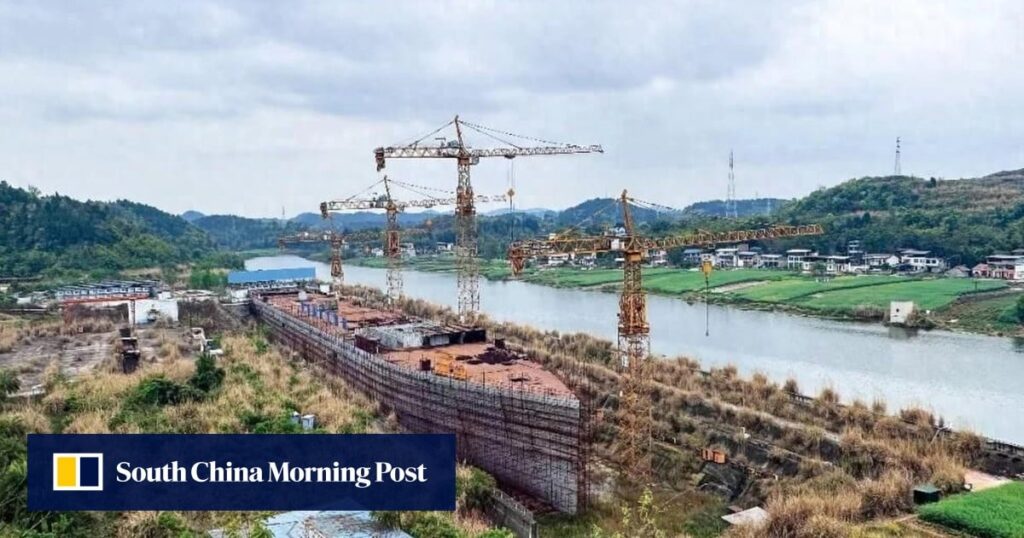
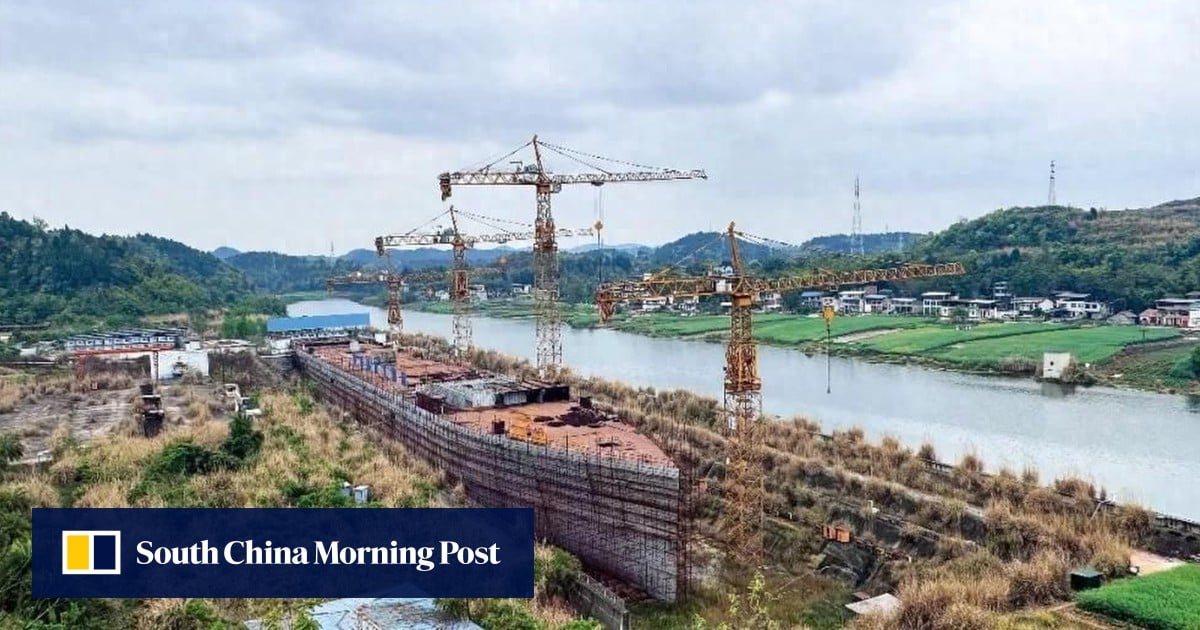
When Su Shaojun launched an audacious plan to build a life-size replica of the Titanic, he felt he was on to a sure-fire winner. After all, James Cameron’s iconic 1997 film had been a worldwide hit – including in China, where it had grossed over US$200 million.
At a press event to unveil the project in 2014, Su invited the actor Bernard Hill – who played the captain of the Titanic in the film – to appear alongside him as he told the assembled reporters in Hong Kong that his company aimed to build a world-class tourist resort.
The Titanic project looked set to ride a wave of Chinese investment. Local governments across the country were pouring billions into cultural and tourism projects at the time, aiming to drive up growth and diversify their economies.
Advertisement
Convinced of success, Su – a veteran entrepreneur – decided to bet all his savings on the venture, selling his stakes in 13 hydropower stations across Zhejiang and Sichuan provinces to fund his vision.
But 11 years later, Su’s full-scale recreation of the Titanic has suffered a similar fate to the original vessel – its rusting hull lies abandoned in an overgrown lot in Daying county in southwest China’s Sichuan province.
Advertisement
Don't Miss:
-
Colleague Skill: AI job fears in China set off viral spread of supposed ability harvester
-
AI pessimism is a luxury the Global South cannot afford
-
Forget Hong Kong and Singapore, Philippines housing is least affordable: survey
-
Semiconductor leap: China looks to next-gen ‘2D chip’ with 1,000-fold growth speed
-
Hong Kong balancing financial security, innovation as nation’s ‘firewall’: Paul Chan