
 The Taliban’s New War Begins at Home
  Panama removed from EU’s tax haven ‘blacklist’ a decade after the Panama Papers
  Crackdown and Controversy: The Battle Over Beach Bars and Noise in Phuket’s Bang Tao
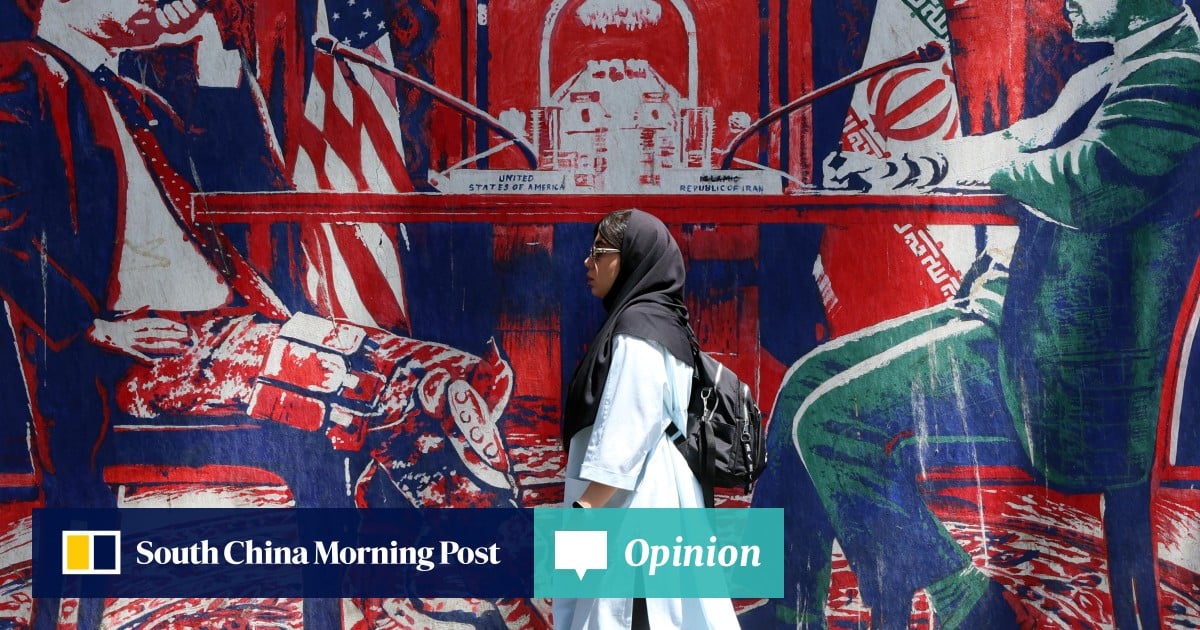
“The Emiratis – by far the most hawkish, by far the most pro-Israel country in the [Gulf Cooperation Council] – they’re having conversations with the Iranians that have never happened before,” US Vice-President J.D. Vance told British media outlet UnHerd following the Iran-US negotiations in Switzerland.
The Iranians “are certainly talking differently than they have in the past”, he added in a note of cautious optimism, highlighting how both Washington and its allies in the Persian Gulf are pursuing a new modus vivendi with post-war Iran. Aside from Pakistan, Qatar played a pivotal role in brokering the official end of the Iran-US war. Oman and Qatar are also pushing for a pan-regional agreement on the Strait of Hormuz.
Even Saudi Arabia is reportedly organising a reconciliation summit between Tehran and its neighbours. Given the depth of hostilities and the sheer scale of devastation wrought by the war in Iran, any long-term peace plan will clearly face major hurdles, including stiff opposition by hardliners in multiple governments, especially Israel. Fortunately, however, Southeast Asia provides an encouraging model for the Middle East.
Forged in the thick of the Cold War, the Association of Southeast Asian Nations (Asean) shows that even the most conflict-ridden regions can gradually transform into havens of prosperity and relative stability. The combination of trauma from war, visionary leadership and shared prosperity inspired Asean to engage and even integrate its bitter enemies, most notably post-war Vietnam.
Over time, the regional body even managed to develop balanced relations with rival superpowers, including the US and China, protect its strategic autonomy and create a relatively stable security architecture in Asia. Of course, the situation in the Middle East is fragile, as seen from the recent tit-for-tat military strikes between the Iranians and the Americans. But this is precisely where Asean is instructive for fellow postcolonial regions.
Asean is often dismissed as a toothless “talk shop”. But as British prime minister Winston Churchill once said: “To jaw-jaw is always better than to war-war.” Institutionalised dialogue has been Southeast Asia’s most successful approach to preventing the recurrence of past horrors. With the notable exception of recent low-intensity Thai-Cambodian border clashes, Southeast Asia has been free from major international wars for at least a generation.
Don't Miss:
-
Drug Trafficking, U.S. Banks, and the Economic Reality Under Trump
-
Ivan’s Mob Beheads A Los Mayos Member
-
Ex-OFAC Official: The Cartel Risk Companies Can’t See | The InSight Take
-
Why Ecuador Is Losing Its Fight Against Organized Crime
-
‘El Cromo’ Arrested in Guadalajara; He Is Linked to a Group Affiliated with the CJNG