
 The Taliban’s New War Begins at Home
  Panama removed from EU’s tax haven ‘blacklist’ a decade after the Panama Papers
  Crackdown and Controversy: The Battle Over Beach Bars and Noise in Phuket’s Bang Tao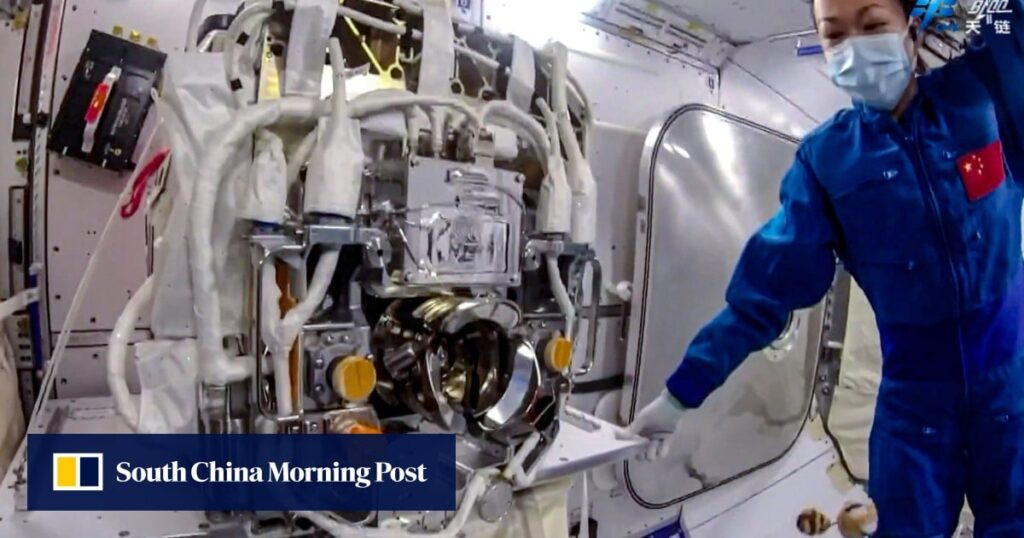
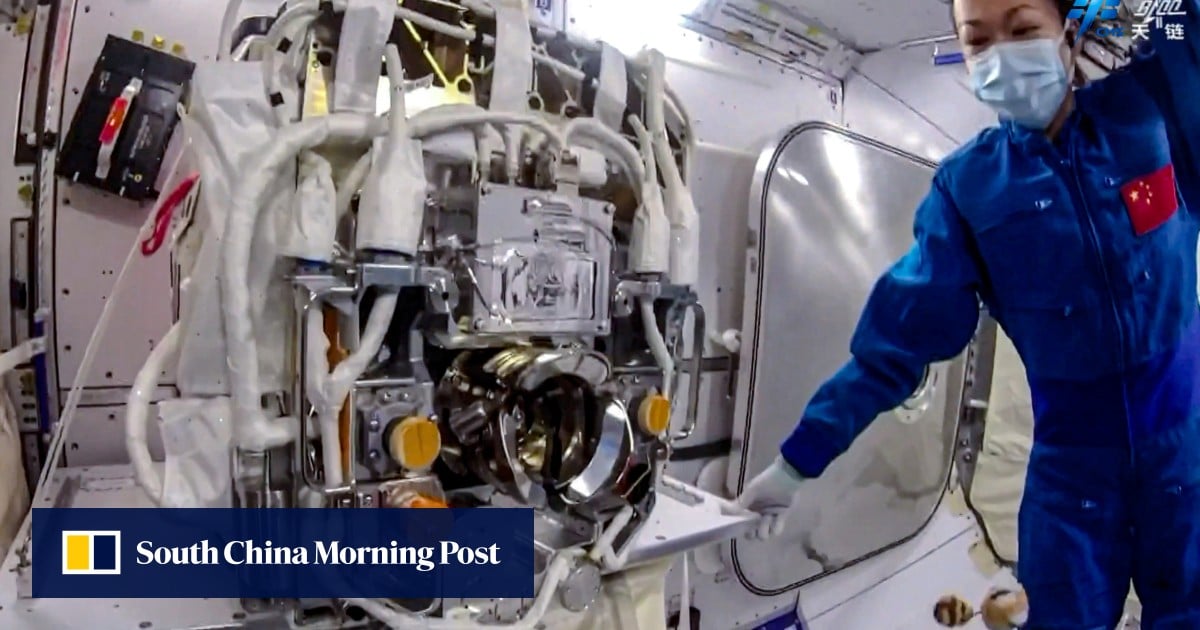
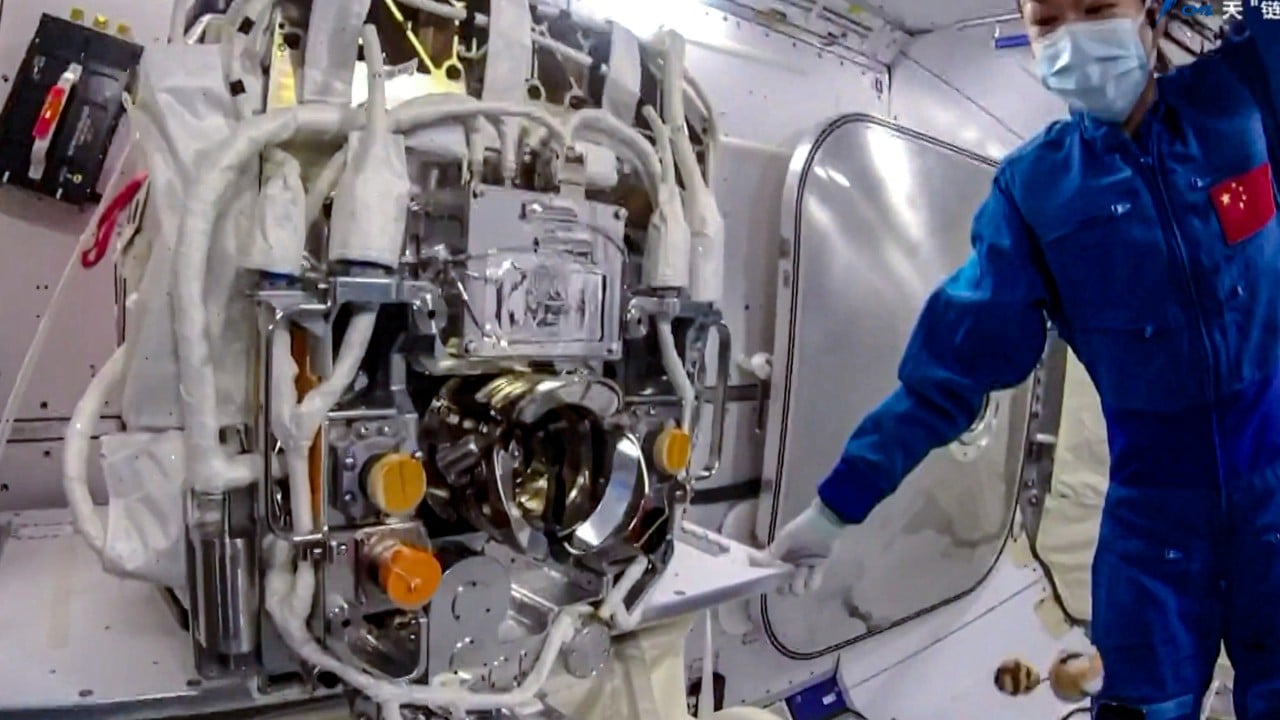
A state-of-the-art greenhouse gas monitoring instrument spearheaded by a Hong Kong university has officially commenced operations aboard China’s Tiangong space station, following its successful installation by the city’s first home-grown astronaut, Lai Ka-ying.
The Multi-Spectral Imaging Carbon Observatory (Musico) – often dubbed the “Eye for Space” – will remain in orbit for at least two years, according to Hong Kong University of Science and Technology (HKUST), which led the development of the hi-tech device.
Operating about 400km above the Earth, the instrument analyses changes in the solar spectrum to accurately pinpoint sources of greenhouse gas emissions.
HKUST confirmed on Sunday that the instrument had successfully completed its final preparatory stages in orbit.
“[The device] was recently assembled and tested in orbit by Dr Lai Ka-ying, Hong Kong’s first payload specialist, and two other astronauts,” the university said.
“It was successfully installed at the designated payload attachment point on the exterior of the Tiangong space station and officially put into operation.”
Don't Miss:
-
Drug Trafficking, U.S. Banks, and the Economic Reality Under Trump
-
Ivan’s Mob Beheads A Los Mayos Member
-
Ex-OFAC Official: The Cartel Risk Companies Can’t See | The InSight Take
-
Why Ecuador Is Losing Its Fight Against Organized Crime
-
‘El Cromo’ Arrested in Guadalajara; He Is Linked to a Group Affiliated with the CJNG