
 Rick Claypool on Pay to Play Corporate Crime Enforcement
  Labaton Launches Whistleblower Practice with Former SEC Acting Chair Allison Herren Lee
  Kremlin payment firm A7 has been pumping billions in ‘untraceable’ cash into global financial system
 Tsuen Wan has a network of footbridges linking the MTR station to shopping malls and housing estates, but the network remains patchy. The Urban Renewal Authority’s district planning study on Tsuen Wan is a chance to move from ad hoc bridge-building to a deliberate, all-weather pedestrian grid. Imagine walking from your flat to the wet market, clinic and MTR station without having to open an umbrella.
Advertisement
Planners have begun to rediscover the old model’s intelligence. The “vertical city” concept being explored in the Kwun Tong town centre development stacks office, retail, housing, recreation and even education in a single tower. In Hung Shui Kiu and Cha Kwo Ling, new projects permit genuine commercial-residential blending. The challenge is to let that hybrid vitality infuse not just landmark projects but the everyday fabric of neighbourhood renewal, keeping the streets active from dawn until late.
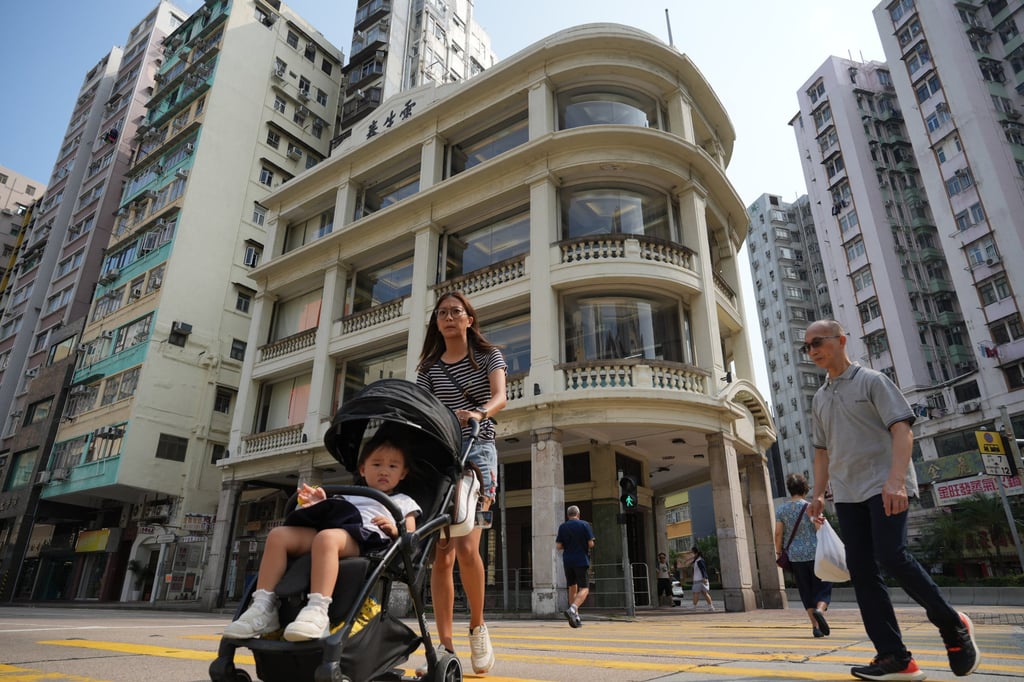
Three, high density – too often heard as poor quality of life. Yet walk through Sham Shui Po or Mong Kok and you sense a different truth: density can feel alive when the design is right. High density brings infrastructural efficiency – piped water, power grids, sewage treatment and public transport serve more people at lower marginal cost. Hong Kong’s old districts prove that very high densities can coexist with fine-grained street life.
Don't Miss:
-
A Total of 13 Mass Graves Have Been Found in Viesca Containing the Charred Remains of Men and Women
-
Jorge Luis Zambrano, alias “Rasquiña”
-
El Taliban Fell In Mazatlán… And What He Confessed Ties Everything Together
-
Inside the Camp at the Heart of Honduras’ Garífuna Land Struggle
-
This Is How the MataZetas Captured and Executed the Zetas