
 Rick Claypool on Pay to Play Corporate Crime Enforcement
  Labaton Launches Whistleblower Practice with Former SEC Acting Chair Allison Herren Lee
  Kremlin payment firm A7 has been pumping billions in ‘untraceable’ cash into global financial system
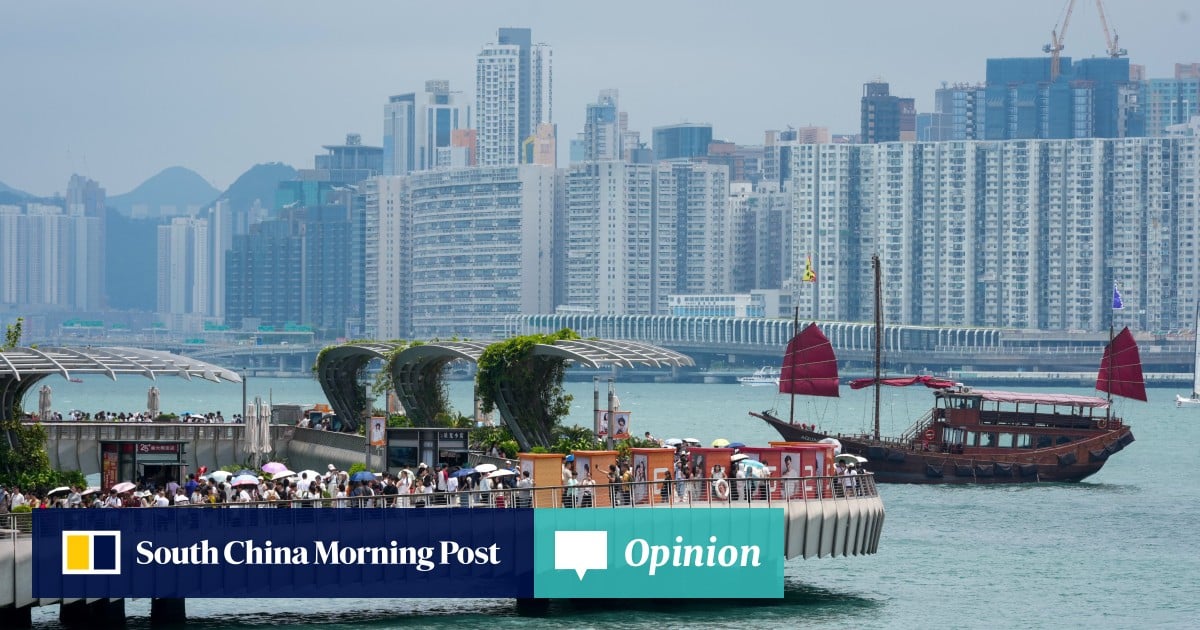
Last year, China’s outward direct investment climbed 7 per cent to US$174 billion while overseas mergers and acquisitions rebounded to over US$43 billion, up nearly 40 per cent, according to EY data. Clearly, China’s appetite for global deal-making has returned.
But the approach has changed. A decade ago, outbound investment was largely asset-driven, shaped by relatively light regulatory constraints and limited oversight. The prevailing mindset was simple: enter the market at all costs and fix problems later.
Advertisement
Long regarded as a threshold between East and West, Hong Kong is becoming an increasingly important gateway to global success, as the city can clear four major barriers in one move.
Advertisement
Second, the credibility problem. When it comes to important markets, Hong Kong lends credibility. Europe, the Middle East and Southeast Asia all view Hong Kong as a more “legible” jurisdiction, one that adheres to international accounting and corporate governance standards, enabling clear, comparable financial reporting.
Don't Miss:
-
A Total of 13 Mass Graves Have Been Found in Viesca Containing the Charred Remains of Men and Women
-
Jorge Luis Zambrano, alias “Rasquiña”
-
El Taliban Fell In Mazatlán… And What He Confessed Ties Everything Together
-
Inside the Camp at the Heart of Honduras’ Garífuna Land Struggle
-
This Is How the MataZetas Captured and Executed the Zetas