
 When Great Powers Talk, Who Speaks for Asia
  About the China Capital investigation
  Frequently asked questions about the China Capital investigation
 A Japanese study has found that the locked zone in the Nankai Trough is not permanent but changes over time, further complicating the task of predicting megaquakes along the fault line.
A locked zone is where tectonic plates merge, allowing stress to build up until it is released in an earthquake. In the case of the 900km (560-mile) long Nankai Trough off Japan’s Pacific coast, it is where the Philippine plate meets the Eurasian plate.
The Philippine plate is slipping under the Eurasian plate at a rate of 4-6cm (1.6-2.4 inches) a year, according to a report of the study by The Mainichi newspaper.
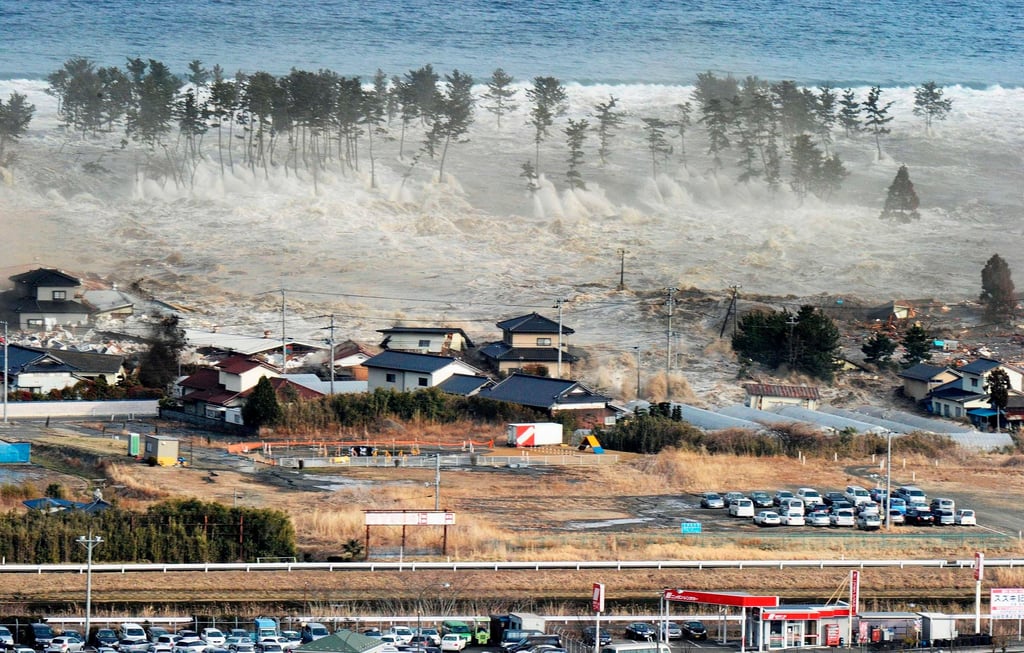
Earthquakes happen when the plates lock, causing movement to be impeded and pressure to build up. Should that immense energy be released, it could cause megaquakes, which is why identifying locked zones is useful in trying to predict future shaking and tsunamis.
However, the study conducted by a team from the University of Tokyo’s Institute of Industrial Science and the Japanese coastguard found that while some areas remained continuously locked, others were more fluid.
Using crustal deformation data from 2013 to 2023, the team calculated the rate at which the Philippine plate was moving and used that to estimate how much it was locking.

Don't Miss:
-
China urges ‘constructive dialogue’ with EU in high-level call with France
-
Hong Kong airport builds third runway with strategy to help marine environment thrive
-
Cambodia, Thailand take US$300 billion seabed dispute to UN
-
Hong Kong visitor arrivals hit post-pandemic monthly high in August
-
Indonesian finance minister found out about his firing in mid-meeting phone call