
 When Great Powers Talk, Who Speaks for Asia
  About the China Capital investigation
  Frequently asked questions about the China Capital investigation
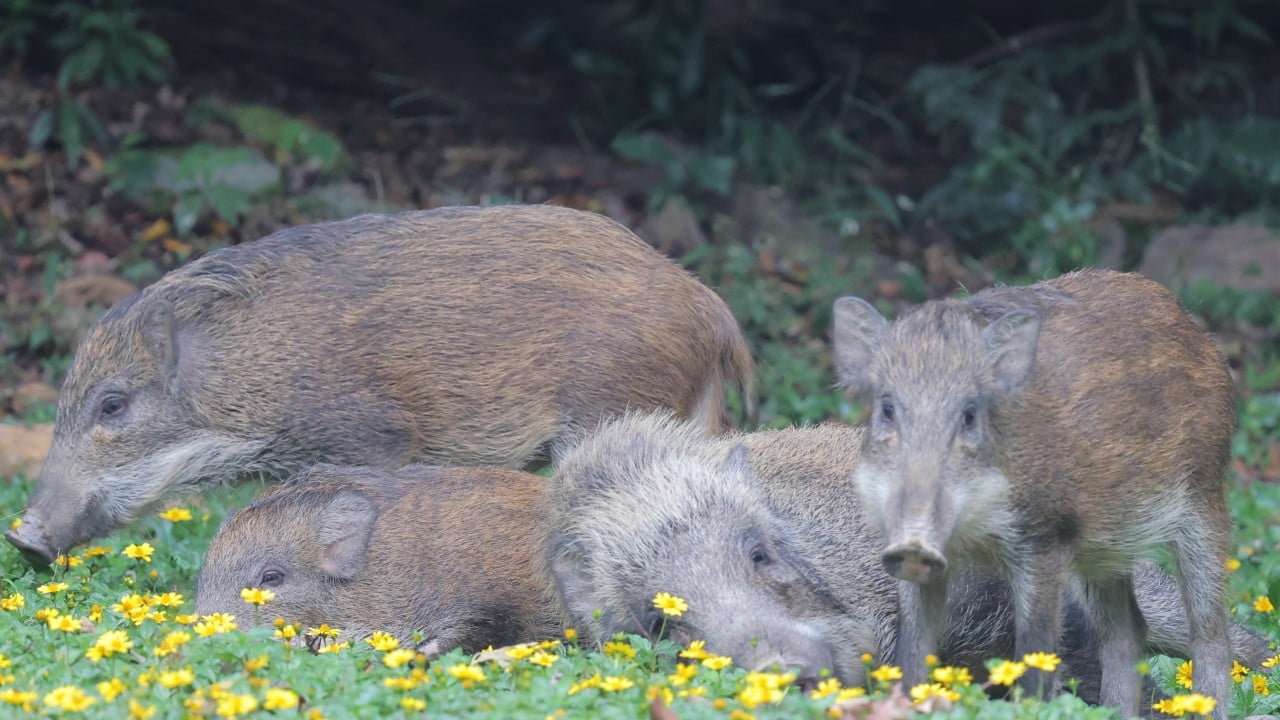
 The number of wild boars in Hong Kong has declined by more than half in the four years since authorities adopted a capture-and-kill policy, with HK$105.6 million (US$13.46 million) spent over the same period.
A Legislative Council study published on Monday found that the number of boars culled since 2021 rose elevenfold to 723 last year under the new policy. Over the same period, the number of injuries from boar attacks declined by 80 percent.
In the research brief seen by the South China Morning Post, government figures showed the city’s estimated wild boar population stood at 2,000 in 2021, but dropped to 990 last year, thanks to the cull.
“Between 2020 and 2022, the number hovered around 2,000 wild boars. After the Agricultural, Fisheries and Conservation Department adjusted its control strategy, the number plummeted by 50.5 per cent to 990 in 2025,” the brief said.
Hong Kong authorities announced in November 2021 that they would regularly capture and put down wild boars in monthly operations using tranquilliser guns to reduce their numbers and attacks on people.

The policy shift came shortly after a violent incident in Tin Hau drew public attention, when an auxiliary police officer was knocked down and bitten in the right calf after being sent to cordon off a car park where an injured wild boar was found. The animal later died after falling about 10 metres from the edge of the area.
Don't Miss:
-
China urges ‘constructive dialogue’ with EU in high-level call with France
-
Hong Kong airport builds third runway with strategy to help marine environment thrive
-
Cambodia, Thailand take US$300 billion seabed dispute to UN
-
Hong Kong visitor arrivals hit post-pandemic monthly high in August
-
Indonesian finance minister found out about his firing in mid-meeting phone call