
 Global headlines and a public reckoning: Ten years of the Panama Papers, part 3
  ICIJ’s investigations into systemic failures highlighted in 2025 annual report
  Judge orders Nazi-looted Modigliani linked to Panama Papers be returned to heirs
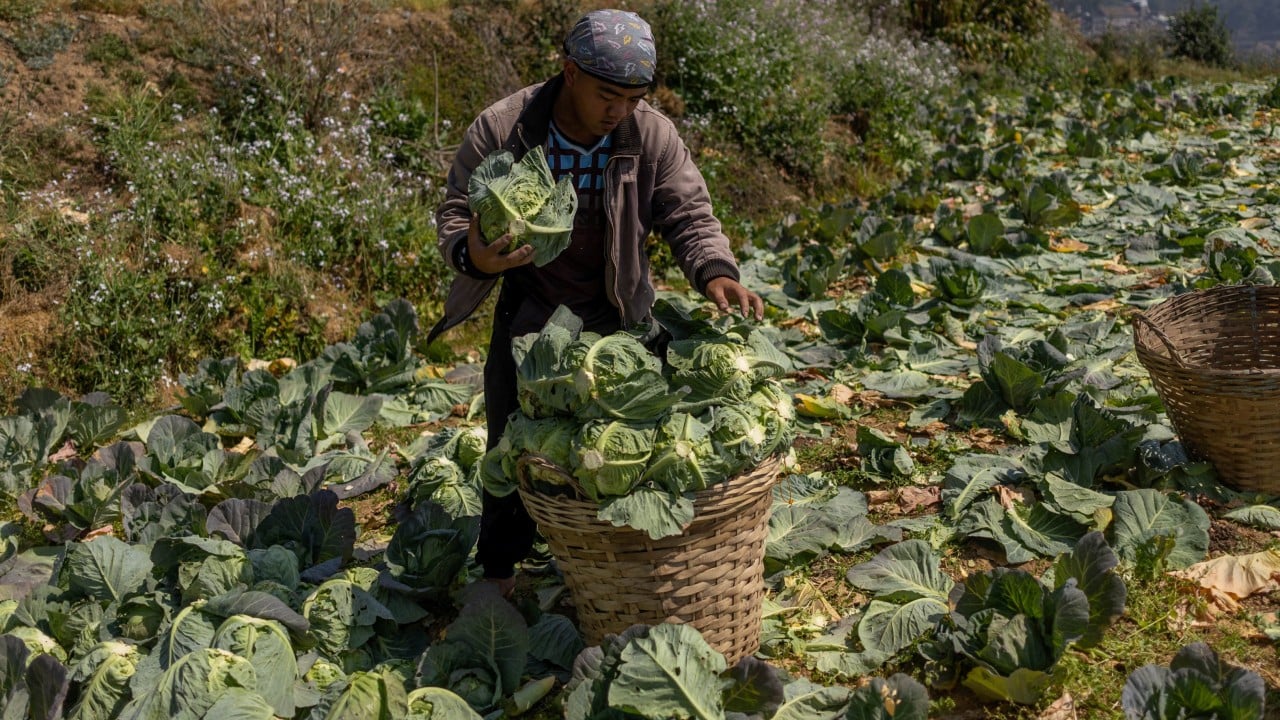
 Filipino farmers like Romeo Wagayan have been left with little choice but to let their vegetables rot in the field rather than sell them at a loss, as rising oil prices linked to the conflict in the Middle East drive up the cost of harvesting, labour and transport.
“If we harvest it, our losses only increase because of labour, transportation and packing costs. We don’t earn anything from it. That’s why we decided not to harvest at all.”
If we harvest it, our losses only increase because of labour, transportation and packing costs
Advertisement
Wagayan’s experience mirrors the challenges faced by many highland farmers, according to Agot Balanoy, an adviser at La Trinidad’s vegetable trading hub.
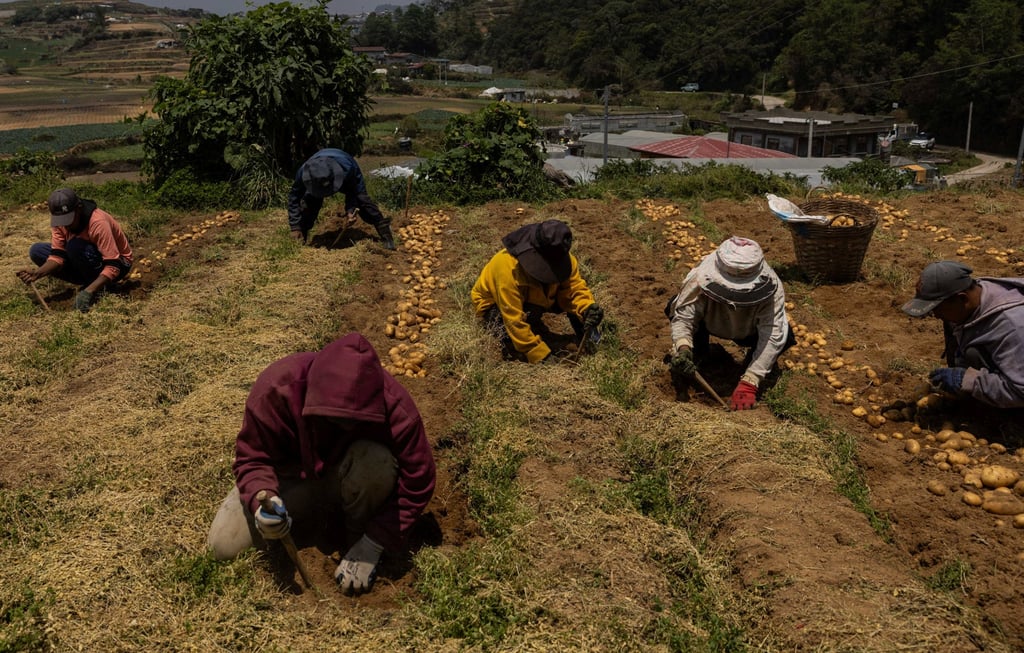
A number of growers are halting harvests as buyers pull out as a result of weak demand and surging costs.
Advertisement
Balanoy said some buyers were cancelling or limiting purchases, reflecting a shift in consumer behaviour as households grappling with soaring inflation cut back on vegetables and opt instead for cheaper, filling alternatives such as instant noodles.
Don't Miss:
-
Iran war: Russia and China veto UN resolution to reopen Strait of Hormuz
-
Nasa’s Artemis crew snaps historic Earthset photo on way home from moon
-
Why Cocaine Keeps Flowing Through the Caribbean: A Visual Guide
-
Did US Military Strikes Impact Caribbean Drug Trafficking?
-
Hong Kong doctor axed for posting resuscitation photo faces Medical Council case