
 Anwar Ibrahim: The Man Who Became the Compromise
  The US is letting a convicted Bolsonaro spy chief stay in Florida. Brazil wants answers.
  Rick Claypool on Pay to Play Corporate Crime Enforcement
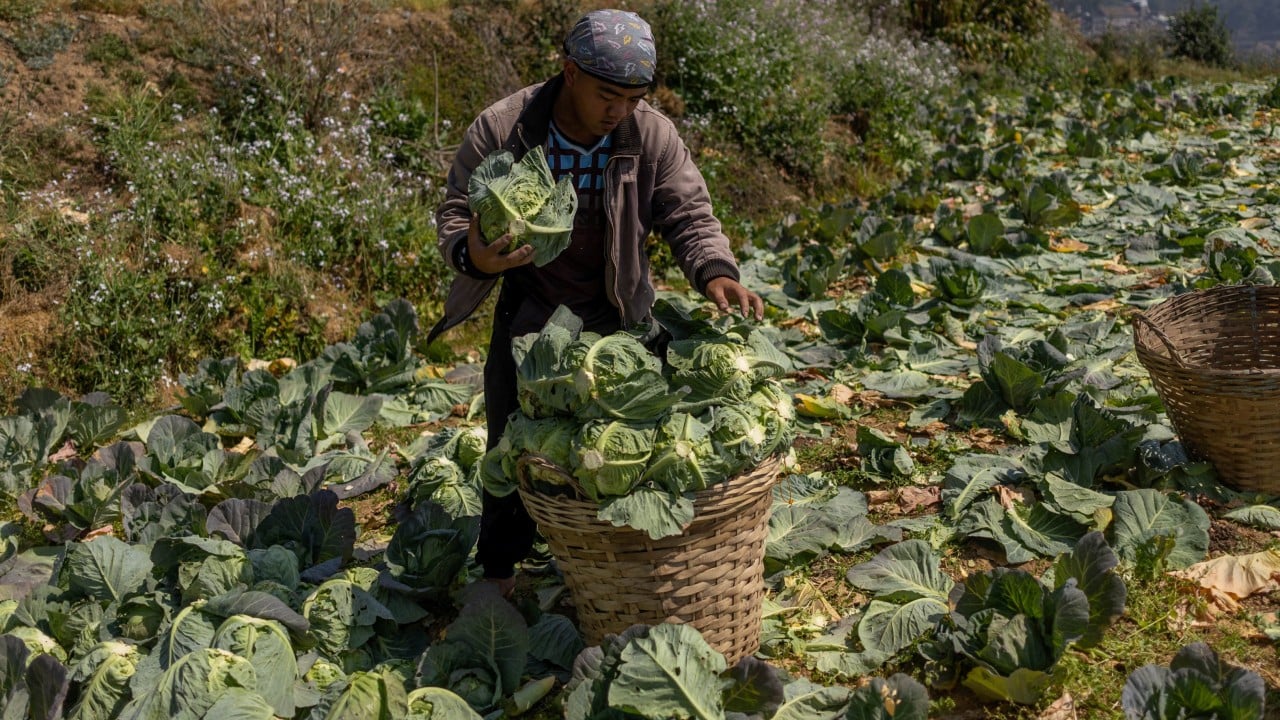
 Filipino farmers like Romeo Wagayan have been left with little choice but to let their vegetables rot in the field rather than sell them at a loss, as rising oil prices linked to the conflict in the Middle East drive up the cost of harvesting, labour and transport.
“If we harvest it, our losses only increase because of labour, transportation and packing costs. We don’t earn anything from it. That’s why we decided not to harvest at all.”
If we harvest it, our losses only increase because of labour, transportation and packing costs
Advertisement
Wagayan’s experience mirrors the challenges faced by many highland farmers, according to Agot Balanoy, an adviser at La Trinidad’s vegetable trading hub.
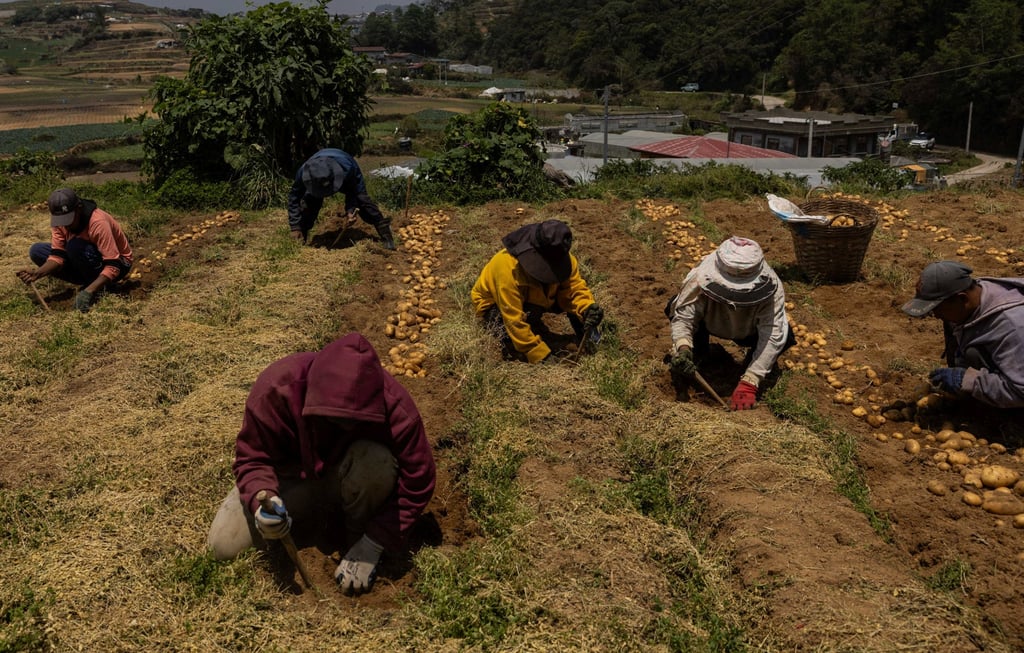
A number of growers are halting harvests as buyers pull out as a result of weak demand and surging costs.
Advertisement
Balanoy said some buyers were cancelling or limiting purchases, reflecting a shift in consumer behaviour as households grappling with soaring inflation cut back on vegetables and opt instead for cheaper, filling alternatives such as instant noodles.
Don't Miss:
-
Organized Crime Postponed Democracy in Haiti, Again | The InSight Take
-
Unstoppable Violence in Michoacán: 31 Police Officers Killed, and Criticism of the Government Mounts
-
A Total of 13 Mass Graves Have Been Found in Viesca Containing the Charred Remains of Men and Women
-
Jorge Luis Zambrano, alias “Rasquiña”
-
El Taliban Fell In Mazatlán… And What He Confessed Ties Everything Together