
 From Iran to China: An Emerging Trans-Central Asian Corridor
  New documents show how a retail chain’s sales practices helped put guns on US streets
  Singapore a battleground of commodities fraud lawsuits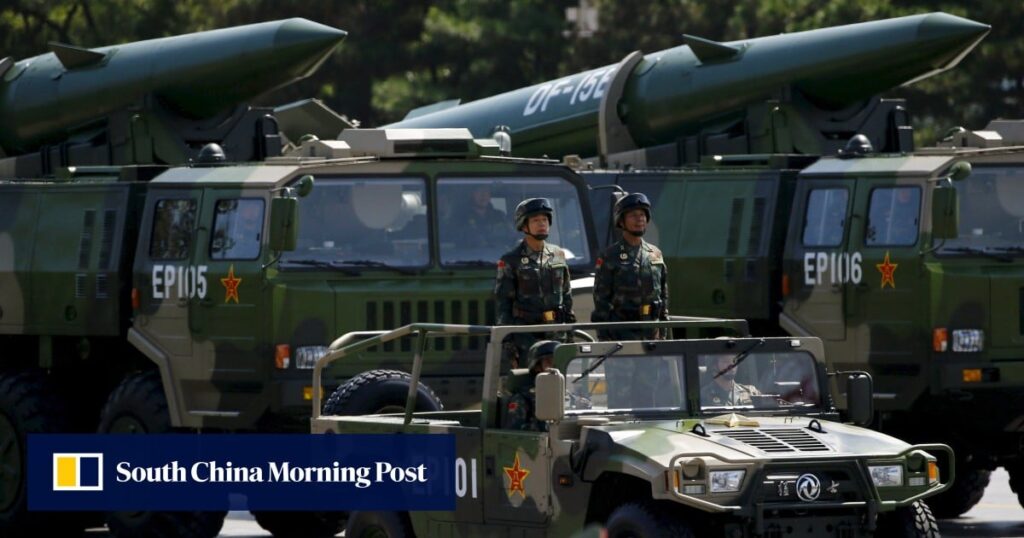
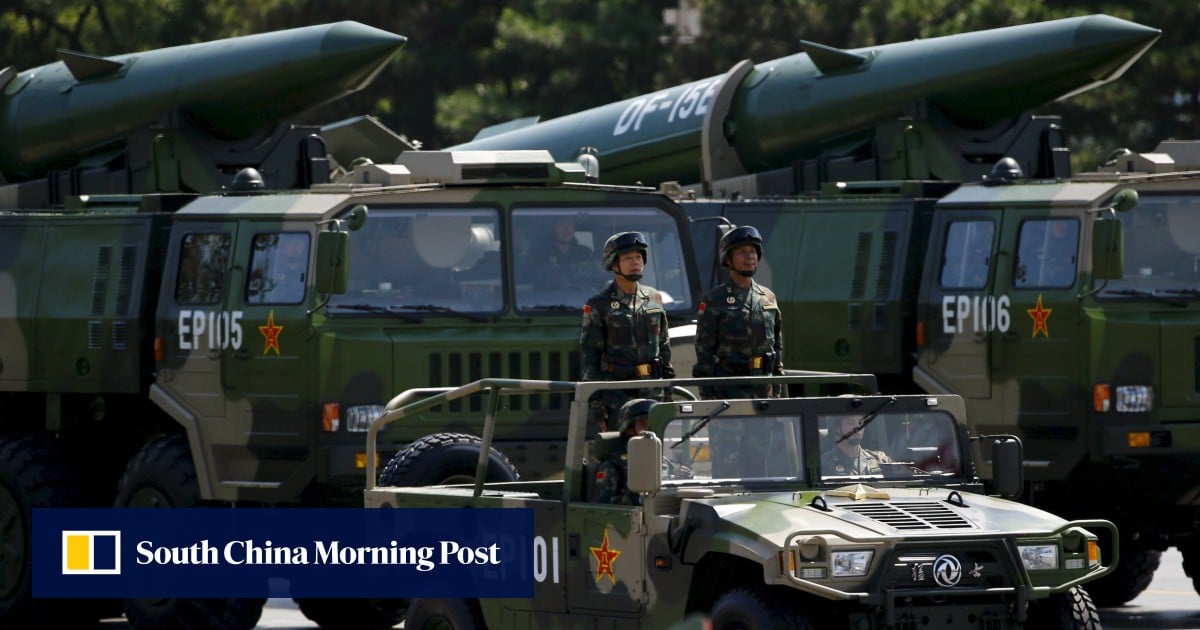
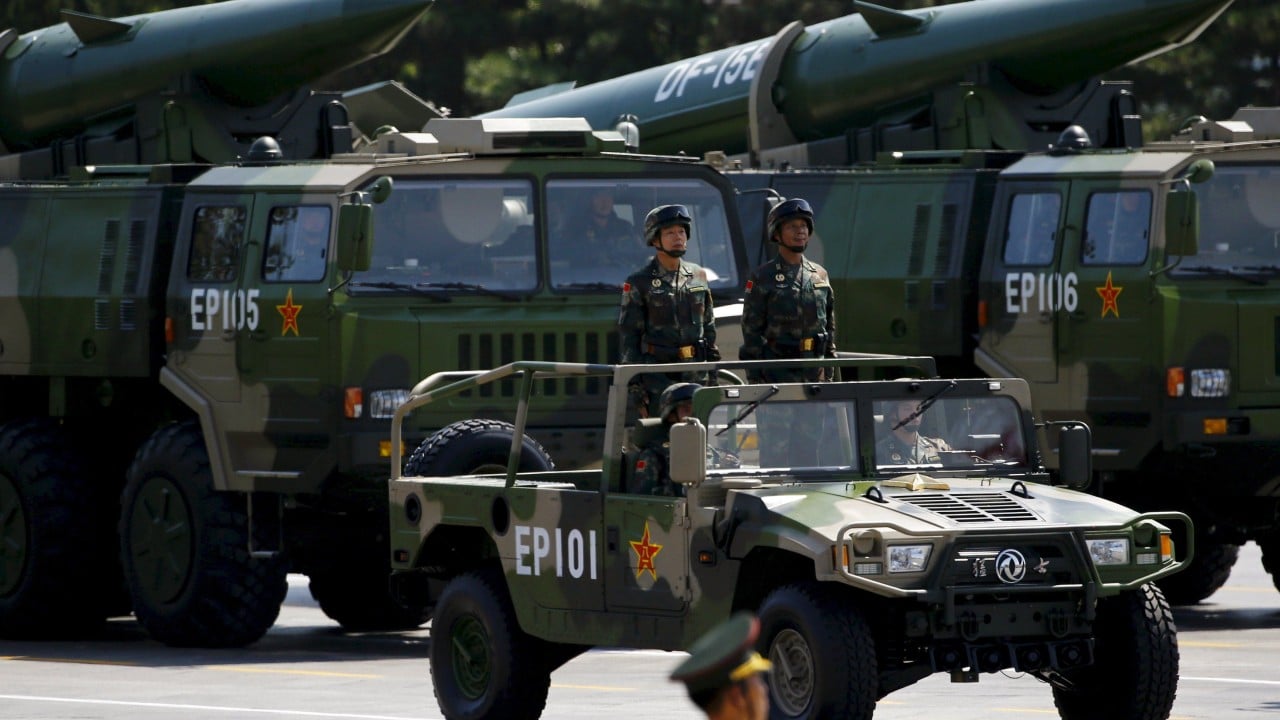
The suggestion surfaced this month in an article published by Ordnance Science and Technology which said that missiles with biconic manoeuvring re-entry vehicles (MRVs) could achieve a penetration effect close to that of hypersonic projectiles.
The article, written under the byline Ma Lihua, referred to Iranian claims that its short-range missiles, equipped with biconic MRVs, repeatedly penetrated US missile defence networks around bases in the United Arab Emirates, Kuwait and Bahrain.
No details were given about the author, who has contributed multiple times to the magazine. The journal is supervised by the Shaanxi Provincial Association for Science and Technology and is popular among military enthusiasts.
As well as offering analyses of military developments in other countries and regions, it reports on popular science content and the latest Chinese military developments and defence dynamics.
According to the article, Iran’s MRVs – which include the Thunder-500 and the Fattah-1 – have shown since the first US-Israeli strikes in February that they can challenge US-made Patriot and Terminal High Altitude Area Defence (THAAD) systems.
Don't Miss:
-
Hong Kong approves average fee hikes of up to 4.75 per cent for non-public schools
-
4 Indonesian seamen kidnapped by Somali pirates return home
-
UK police arrest seventh man linked to security incident at US-run airbase
-
Iván Cazarín Molina, alias “El Tanque”, Alleged CJNG Operator Active in Several States, Arrested
-
Iceland is ‘critical outpost’ for security, Rubio says during visit