
 From Iran to China: An Emerging Trans-Central Asian Corridor
  New documents show how a retail chain’s sales practices helped put guns on US streets
  Singapore a battleground of commodities fraud lawsuits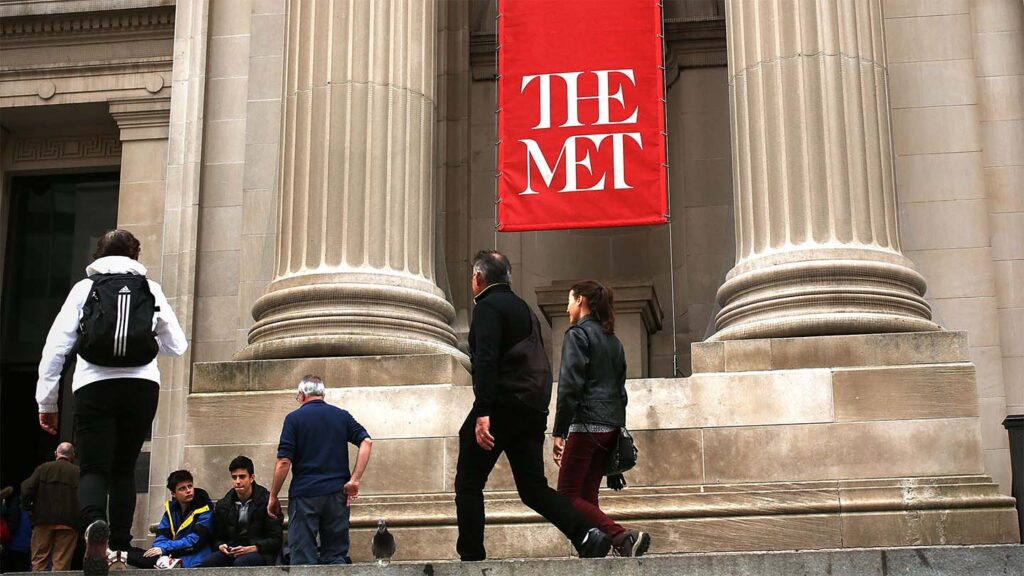
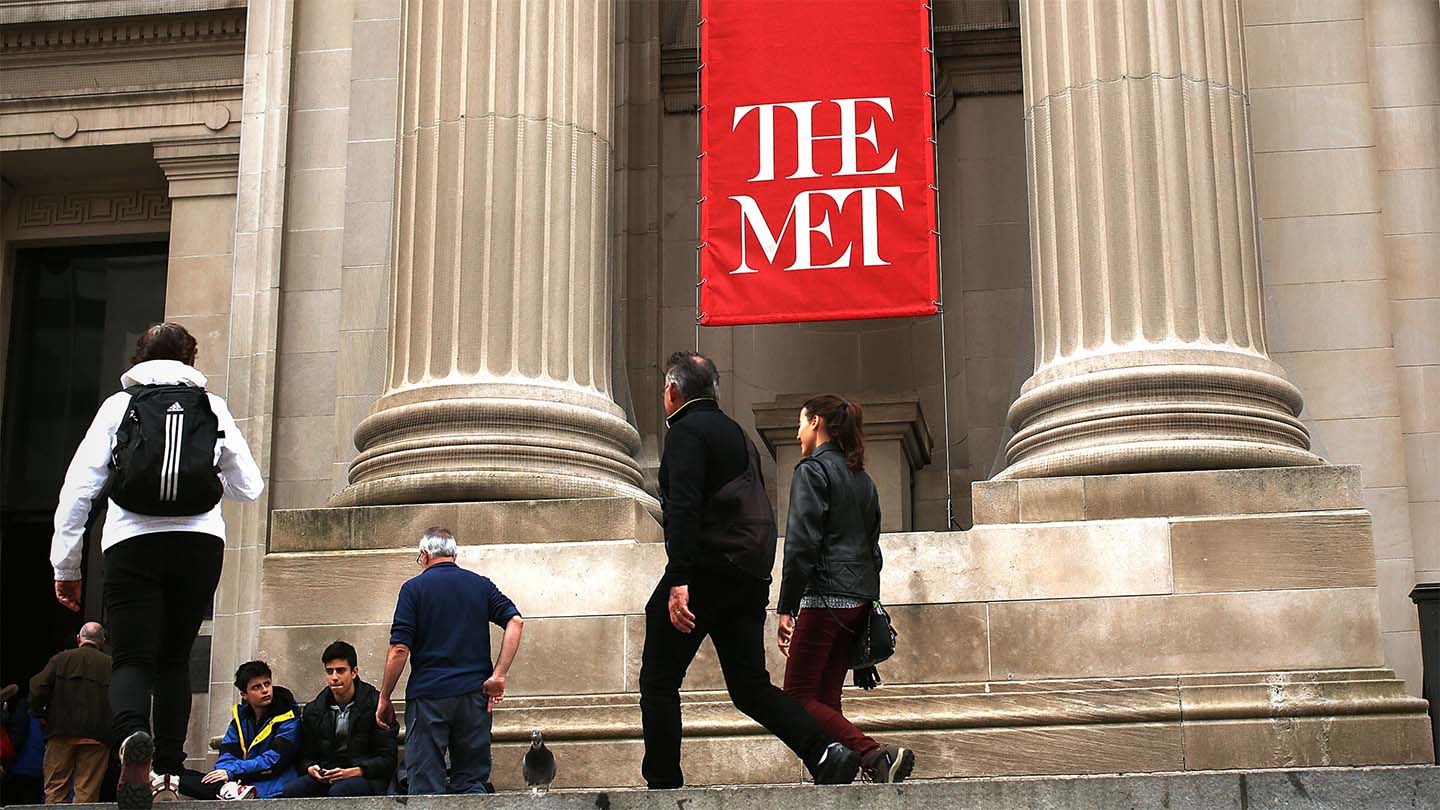
Even after authorities seized more than $95 million worth of antiquities from New York’s Metropolitan Museum of Art in recent years, the institution still holds hundreds more pieces linked to alleged looting and trafficking figures, a new analysis by the International Consortium of Investigative Journalists has found.
The seizures from the Met have largely consisted of works the museum acquired from a small group of collectors with links to suspected trafficking networks that targeted cultural sites spanning from Rome to rural Cambodia. ICIJ’s previous reporting identified more than a thousand pieces in the Met’s catalog tied to people who were indicted or convicted of antiquities crimes. These included Subhash Kapoor, whom U.S. authorities identified as “one of the most prolific commodities smugglers in the world,” and Robert E. Hecht, whom Italy charged with trafficking.
A new analysis shows the Met still holds hundreds of objects once owned by the very same people who account for most of the antiquities seized from the museum in recent years. This includes Hecht, Kapoor and others linked to trafficking. Kapoor was arrested in Germany in 2011 and later convicted in India of trafficking crimes. Hecht denied involvement in the illegal exportation of art and died in 2012.
In response to a request from ICIJ, the Met said it has identified and expedited research into several hundred works connected with certain dealers as a part of a broader review of its collection. The museum said that it takes an object-by-object approach to the research and pointed to two pieces associated with Hecht that it said have excellent origin records.
“The Met doesn’t want any stolen art in our collection,” Lucian Simmons, the museum’s head of provenance research, told ICIJ in an emailed statement. “We’ve devoted substantial resources to researching works in our care and sharing our findings online and with experts around the world. These efforts have produced meaningful results, including repatriations of objects to multiple countries.”
The museum also still holds pieces once owned by Douglas Latchford, a previously indicted art dealer believed to have played a key role in the mass pillaging of Cambodia’s cultural heritage. Latchford died in 2020.
The Met is the largest museum in North America and its annual Met Gala is a coveted invite for billionaires and celebrities. The Met’s collection contains more than 1.5 million objects. For decades, the museum took a seemingly cavalier stance toward the sources of its acquisitions, ICIJ has previously reported.
In March 2023, ICIJ and Finance Uncovered revealed that the Met held more than 1,100 pieces previously owned by collectors who had been either indicted or convicted of antiquities crimes. ICIJ’s analysis found that fewer than half had records describing how the relics left their country of origin, including from places with long-standing strict export laws.
Several weeks after that story was published, the Met announced that it would establish a team of investigators to work alongside curators, conservators and other researchers to expand efforts to examine its catalogue. The Met says this is the largest team of its kind at any museum.
But the New York Times reported in June that government investigators were becoming impatient with the pace of the museum’s review of its collection.
Advocates say that the Met sets standards across the industry and could take a more proactive approach to antiquities tied to trafficking.
“The museum appears to be waiting for a US prosecutor or foreign government to come knocking, with proof beyond a reasonable doubt,” said Tess Davis, executive director of the Antiquities Coalition, an organization that campaigns against the trafficking of cultural artifacts. “The question should not be whether the highest legal burden has been met, but whether these objects belong in one of the world’s greatest museums.”
Don't Miss:
-
From Iran to China: An Emerging Trans-Central Asian Corridor
-
New documents show how a retail chain’s sales practices helped put guns on US streets
-
Singapore a battleground of commodities fraud lawsuits
-
From Propagandist to Criminal
-
On Indonesia’s fires, El Nino’s impact on the power sector, and other stories | Asia Sentinel Stories of the Week