
 Rick Claypool on Pay to Play Corporate Crime Enforcement
  Labaton Launches Whistleblower Practice with Former SEC Acting Chair Allison Herren Lee
  Kremlin payment firm A7 has been pumping billions in ‘untraceable’ cash into global financial system
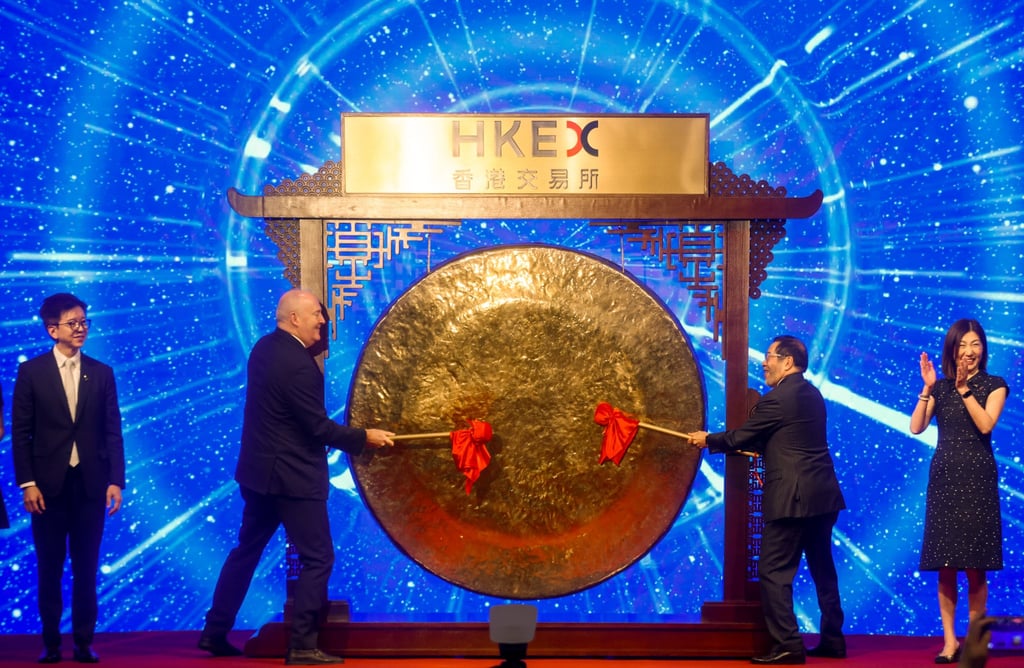
 Stepping into the former trading hall in Exchange Square on Thursday was like walking through a doorway into the 1980s. Brokers, wearing the iconic red jackets of the period, stood alongside Cathay Pacific Airways flight attendants in retro uniforms, evoking memories of the hall before its closure.
The special gong-striking ceremony in Central marked the 40th anniversary of the merger of Hong Kong’s four stock exchanges into the Stock Exchange of Hong Kong (SEHK). Cathay was the first company to list on the unified bourse in May 1986.
“Let’s honour 1986 not just as history but as an inspiration – the vision that forged a unified exchange and brought Cathay to the market,” said Carlson Tong Ka-shing, chairman of Hong Kong Exchanges and Clearing (HKEX), which became the holding company of the stock exchange in 2000.
Advertisement
“This is the same vision that guides us today: integrity, innovation and an unwavering commitment to keeping Hong Kong open, connected and ready for the next 40 years,” Tong said. “We have evolved from a locally focused exchange into a global superconnector that connects the best of Asia’s growth opportunities to international capital.”
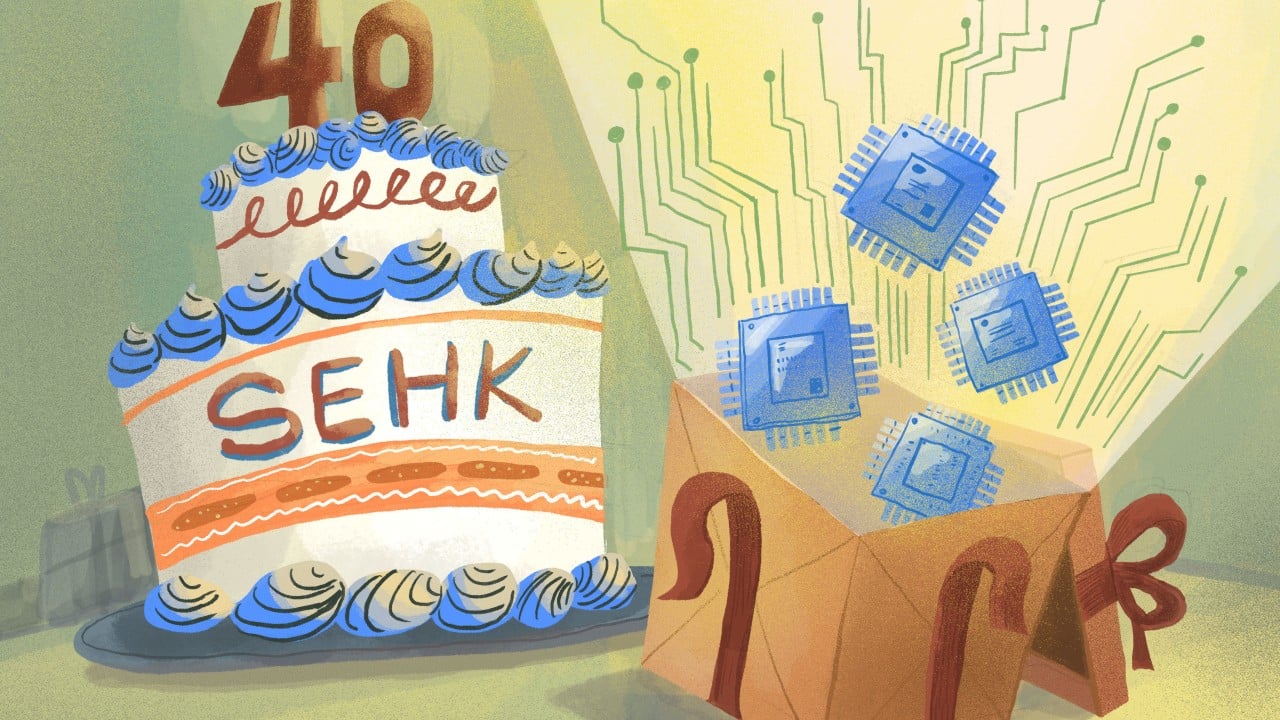
From chalk sticks and blackboards to artificial intelligence servers and semiconductors, the exchange has evolved into a global fundraising hub. Today it faces two powerful forces: the memory chip supercycle and intensifying competition for initial public offerings (IPOs) from US and mainland markets.
Supercycle lifts Hong Kong IPOs
Don't Miss:
-
A Total of 13 Mass Graves Have Been Found in Viesca Containing the Charred Remains of Men and Women
-
Jorge Luis Zambrano, alias “Rasquiña”
-
El Taliban Fell In Mazatlán… And What He Confessed Ties Everything Together
-
Inside the Camp at the Heart of Honduras’ Garífuna Land Struggle
-
This Is How the MataZetas Captured and Executed the Zetas