
 When Great Powers Talk, Who Speaks for Asia
  About the China Capital investigation
  Frequently asked questions about the China Capital investigation
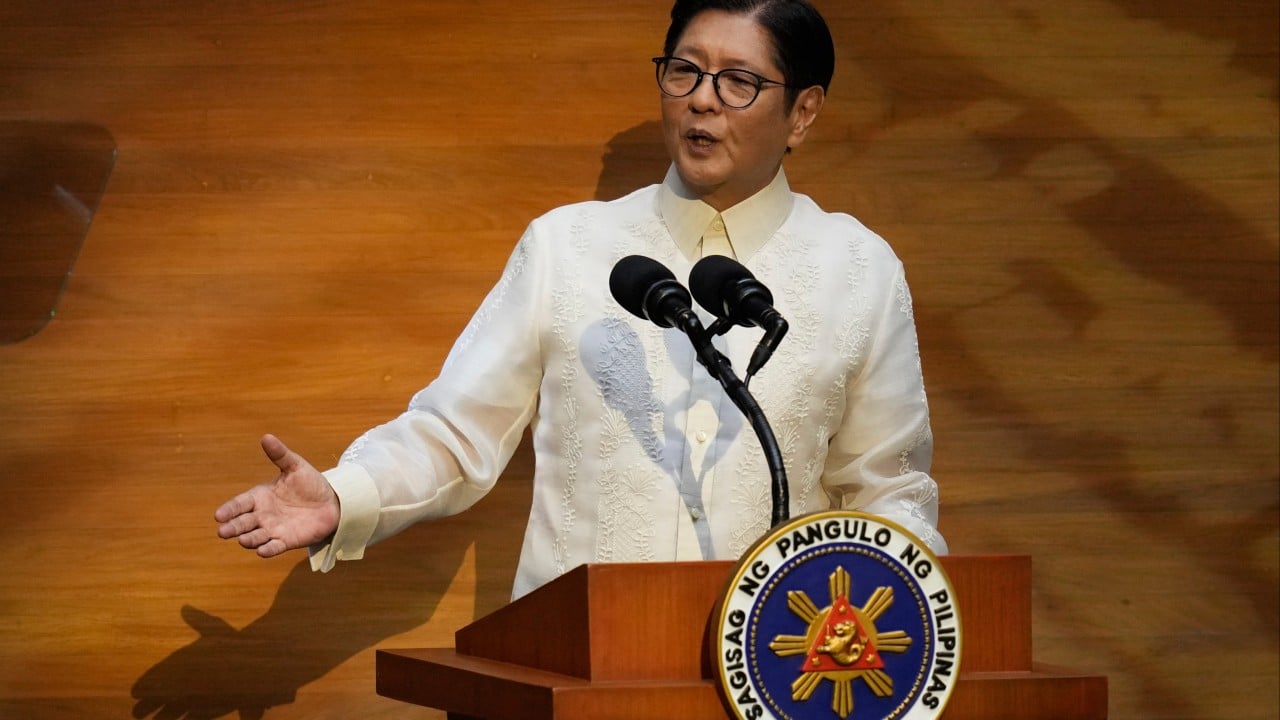
 But while analysts said the one-and-a-half-hour speech addressed issues Filipinos had expected Marcos to confront, they questioned how the government could afford the handouts and why he announced no austerity or revenue-raising measures to address continuing financial and economic pressures and a deepening debt burden.
Marcos began his speech by returning to the corruption issue that dominated last year’s address: an inquiry into alleged irregularities in flood-control projects, including claims of ghost, substandard and overpriced works, that investigators said had channelled public funds through kickbacks to politicians, public works officials and contractors.
The scandal has become one of the biggest tests of Marcos’ anti-corruption drive, not least because it has implicated former House speaker Martin Romualdez, the president’s first cousin and long-time political ally, who stepped down last year amid mounting pressure over the controversy.
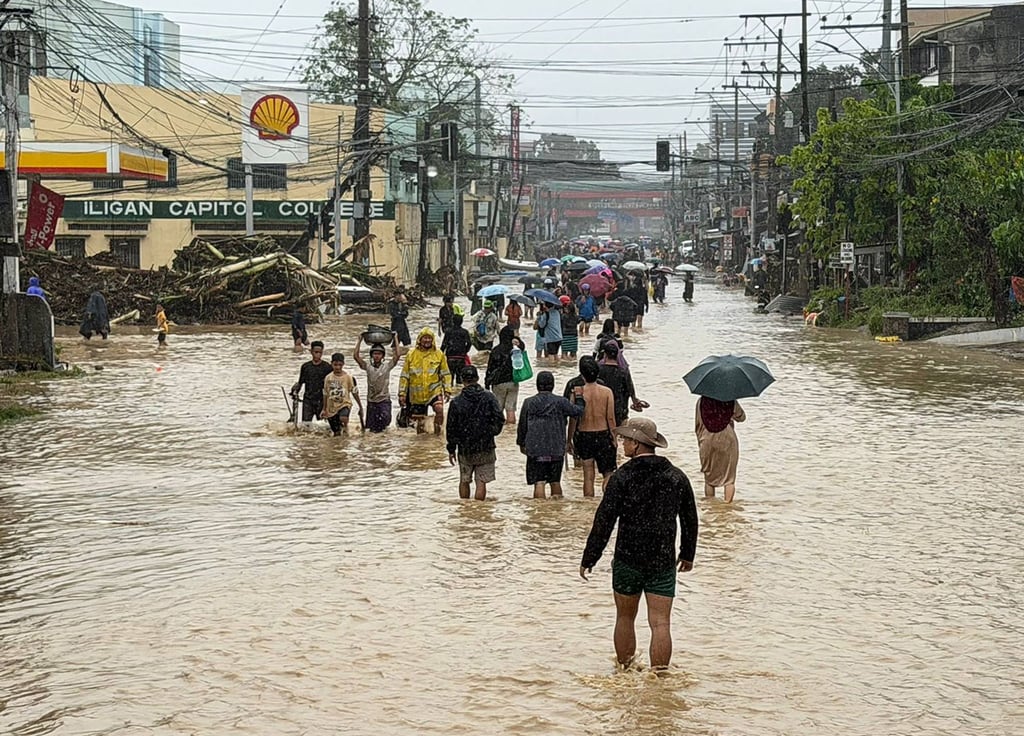
In his speech, Marcos said cases had already been filed against and some arrests made of contractors, senior Department of Public Works and Highways officials and lawmakers.
He said that, according to the Ombudsman, the country’s anti-corruption body, authorities were close to filing “multiple cases against the former speaker”.
Don't Miss:
-
China urges ‘constructive dialogue’ with EU in high-level call with France
-
Hong Kong airport builds third runway with strategy to help marine environment thrive
-
Cambodia, Thailand take US$300 billion seabed dispute to UN
-
Hong Kong visitor arrivals hit post-pandemic monthly high in August
-
Indonesian finance minister found out about his firing in mid-meeting phone call