
 From Iran to China: An Emerging Trans-Central Asian Corridor
  New documents show how a retail chain’s sales practices helped put guns on US streets
  Singapore a battleground of commodities fraud lawsuits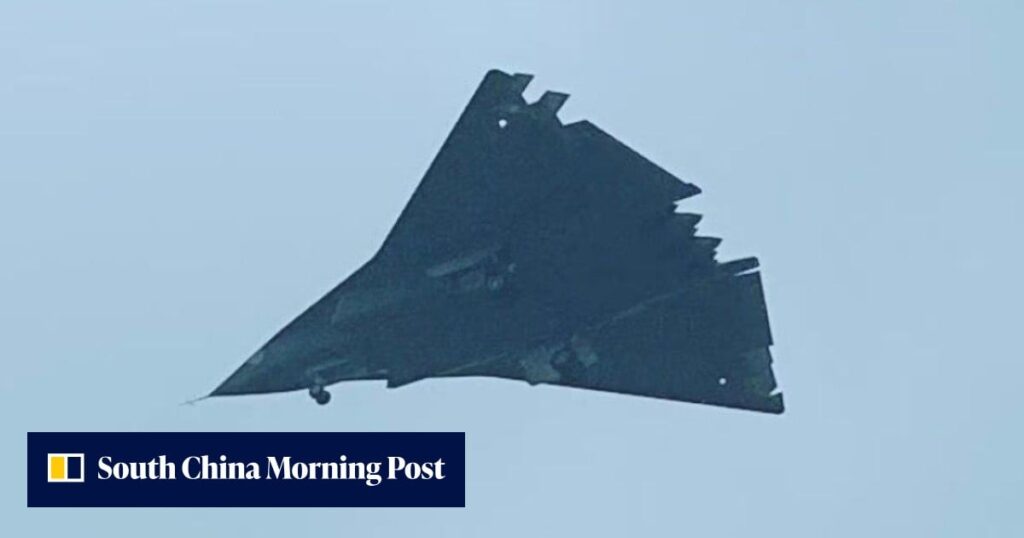
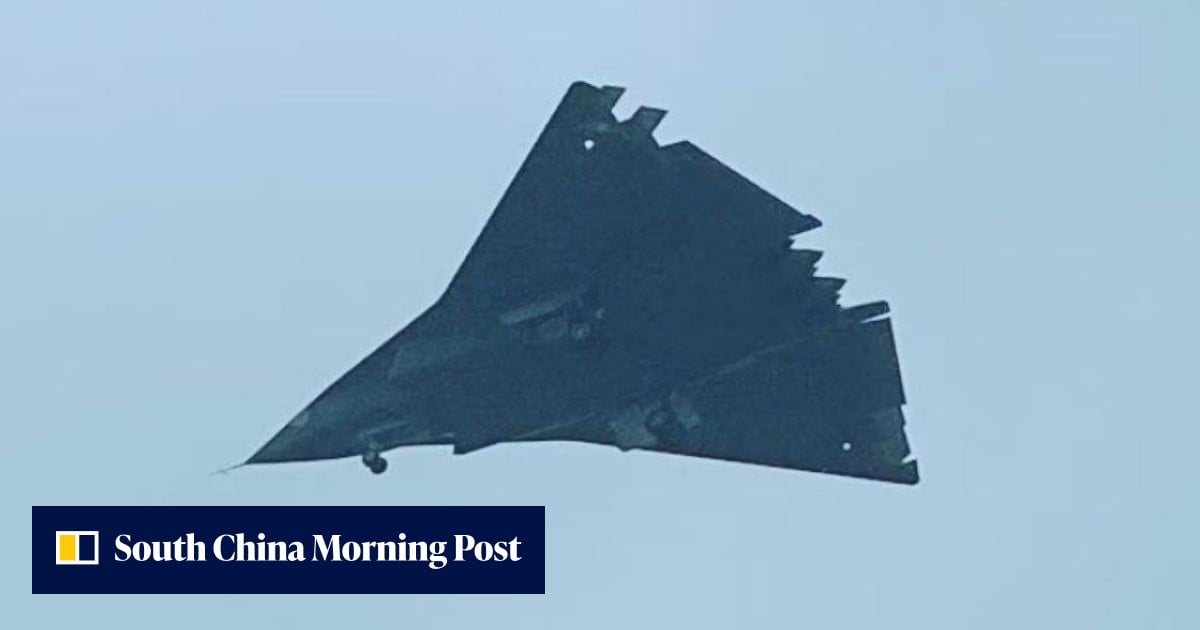
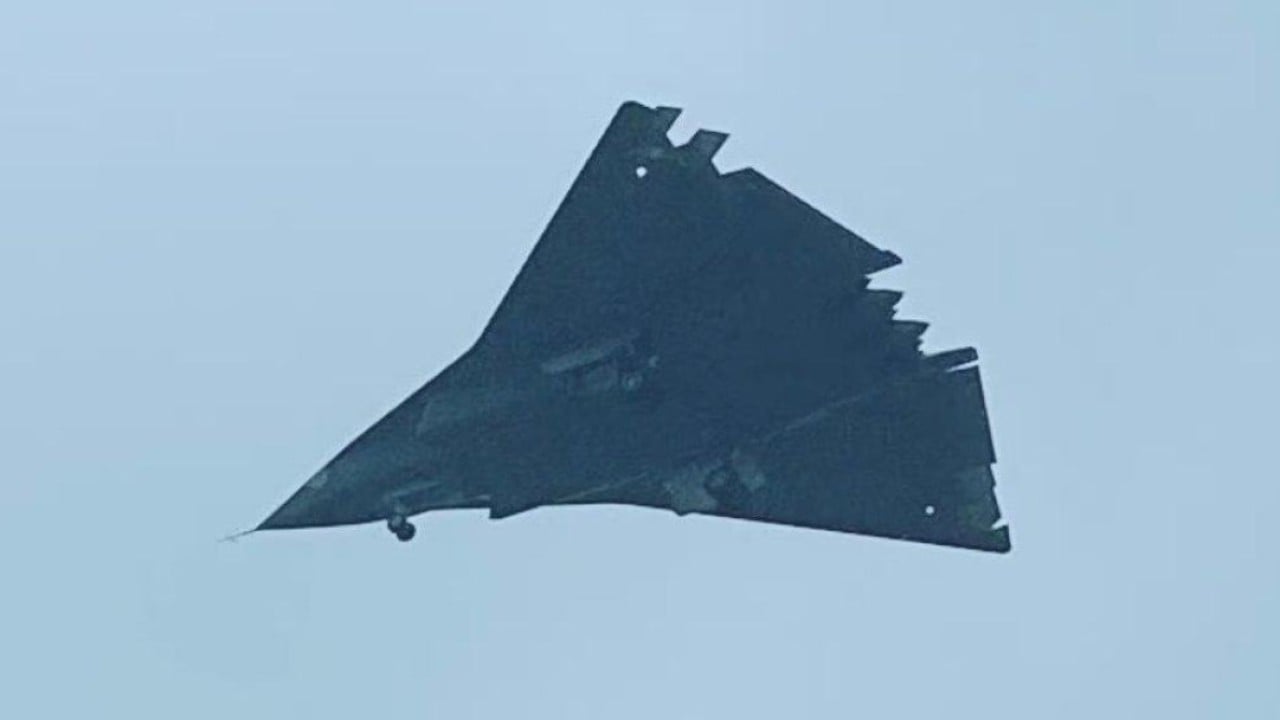
In a paper published on June 20, engineer Zhang Xianzhe said that “AI models can invent aircraft specifications – length, payload, weapons, speed, combat radius – and get radar scan ranges and frequency bands wrong”.
“The so-called hallucination effect, where models produce plausible but false outputs, could have severe consequences in the high-stakes, low-error world of defence intelligence, possibly even causing strategic miscalculations,” he said.
Zhang’s work was published in Information Studies: Theory & Application, a journal run by China’s state-owned arms maker Norinco.
According to the paper, every fighter jet begins with a deep understanding of the enemy and the battlefield. Designers must answer critical questions: what is the opponent’s radar coverage and which frequencies do they use?
Don't Miss:
-
John Lee promises ‘high-quality’ experience for Apec finance meeting guests
-
John Lee urges public to tune in to Legco debate on city’s 5-year plan, policy address
-
Hong Kong prepares reforms, accountability measures ahead of Tai Po fire report
-
Turkmenistan grows its arsenal of Chinese air defences as Russia’s role shrinks
-
India sizes up US F-35 stealth jets in landmark first on home turf