
 From Iran to China: An Emerging Trans-Central Asian Corridor
  New documents show how a retail chain’s sales practices helped put guns on US streets
  Singapore a battleground of commodities fraud lawsuits
 US pharmaceutical firms Merck and Moderna announced on Wednesday encouraging results from a trial of their experimental vaccine against melanoma, potentially clearing the way for approval.
The vaccine, called intismeran autogene, showed “statistically significant and clinically meaningful improvements” for skin cancer patients when used with Merck’s Keytruda treatment, the companies said in a statement.
Unlike conventional vaccines, so-called therapeutic vaccines like intismeran treat rather than prevent a disease, by training the body’s own immune system against a tumour or other invaders.
The news sent shares in biotech specialist Moderna soaring in early New York trading, up more than 90 per cent to around US$120 a share, while Merck’s stock was up 10 per cent.
“This represents the first positive Phase 3 readout for an individualised neoantigen therapy (INT) and for an mRNA-based cancer therapy,” the companies said.
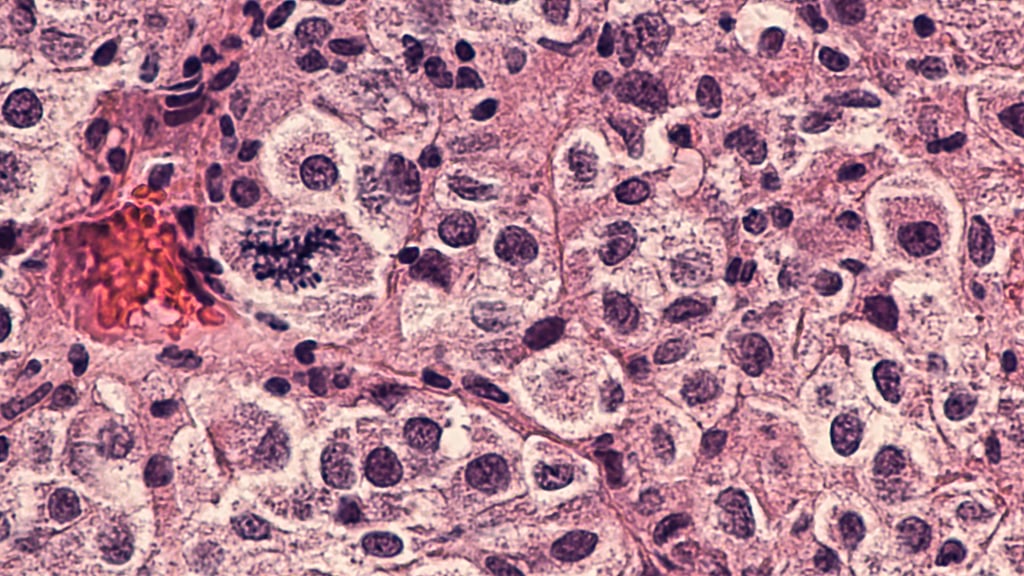
They were referring to messenger RNA technology, which proved highly effective against serious forms of Covid-19.

Don't Miss:
-
Hong Kong approves average fee hikes of up to 4.75 per cent for non-public schools
-
4 Indonesian seamen kidnapped by Somali pirates return home
-
UK police arrest seventh man linked to security incident at US-run airbase
-
Iván Cazarín Molina, alias “El Tanque”, Alleged CJNG Operator Active in Several States, Arrested
-
Iceland is ‘critical outpost’ for security, Rubio says during visit