
 Anwar Ibrahim: The Man Who Became the Compromise
  The US is letting a convicted Bolsonaro spy chief stay in Florida. Brazil wants answers.
  Rick Claypool on Pay to Play Corporate Crime Enforcement
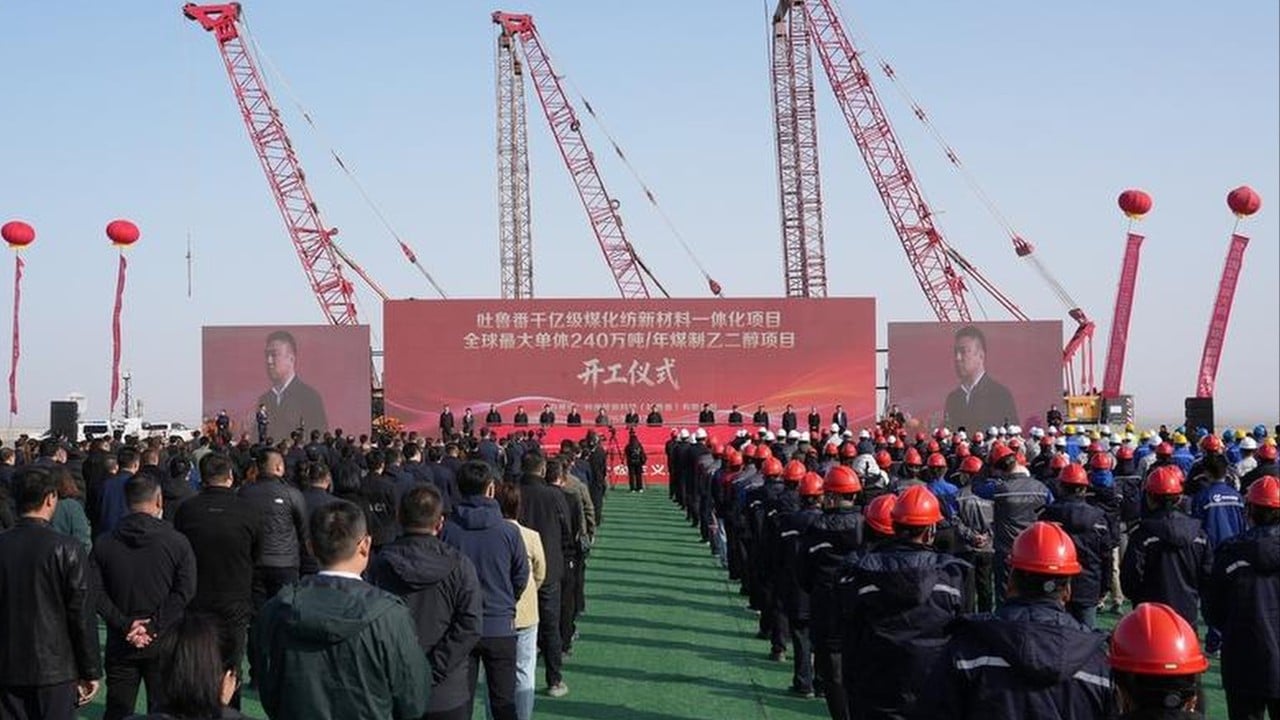
 On March 20, construction began on the world’s largest coal-to-ethylene glycol project in Xinjiang’s Turpan prefecture, which is expected to produce 2.4 million tonnes per year, according to state news agency Xinhua.
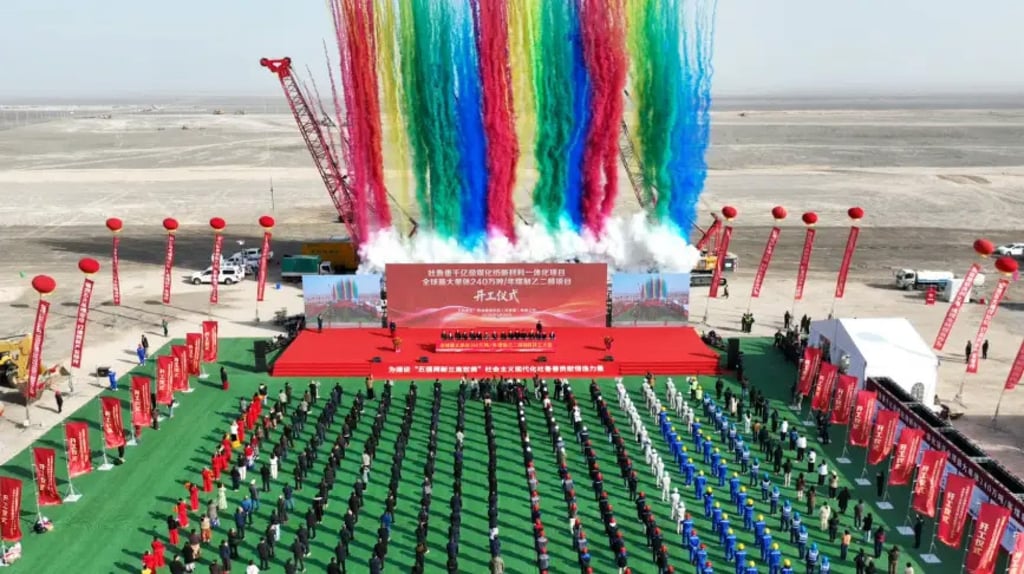
Domestic tech innovations, especially in coal-to-chemical efficiency and novel POE catalysts, help China fast track these mega plant expansions. These projects could secure critical chemicals for green tech and manufacturing while reducing dependence on overseas supplies.
Advertisement
China is the world’s largest producer of standard chemicals, but it has long had gaps in the production of advanced, high-end chemicals. These gaps are now being filled with the help of technology breakthroughs that could insulate it from external market shocks amid rising global tensions.
The global supply chain for high-end chemicals – many of them derived from oil and natural gas – has been significantly affected by the effective closure of the Strait of Hormuz since the US and Israel launched the war on Iran.
Advertisement
The Middle East not only supplies oil and natural gas for petrochemical production worldwide, but is also a major production and export hub for finished chemicals, whose major buyers include China.
Ethylene glycol is a toxic alcohol used as an industrial antifreeze for vehicles and aeroplanes, and is also used as a raw material in manufacturing plastics.
Don't Miss:
-
Organized Crime Postponed Democracy in Haiti, Again | The InSight Take
-
Unstoppable Violence in Michoacán: 31 Police Officers Killed, and Criticism of the Government Mounts
-
A Total of 13 Mass Graves Have Been Found in Viesca Containing the Charred Remains of Men and Women
-
Jorge Luis Zambrano, alias “Rasquiña”
-
El Taliban Fell In Mazatlán… And What He Confessed Ties Everything Together