
 Rick Claypool on Pay to Play Corporate Crime Enforcement
  Labaton Launches Whistleblower Practice with Former SEC Acting Chair Allison Herren Lee
  Kremlin payment firm A7 has been pumping billions in ‘untraceable’ cash into global financial system

Brazil’s two largest criminal organizations – the First Capital Command (Primeiro Comando da Capital – PCC) and the Red Command (Comando Vermelho – CV) – have been designated terrorist organizations by the United States, effective June 5, 2026.
The groups are the first Brazilian organizations to be added to the FTO list, which already includes 15 Latin American organizations from Mexico, Ecuador, Haiti, Colombia, Venezuela, and Central America.
The US government has designated these criminal groups in Latin America as foreign terrorist organizations as part of its national security policy.
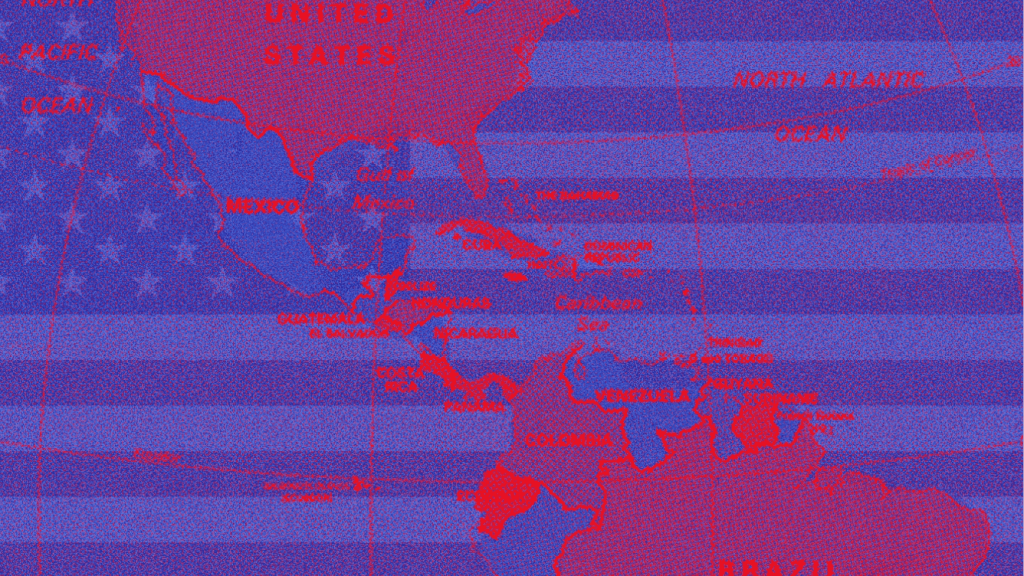
The PCC has a very small documented presence in the United States but launders significant quantities of money through US banks. The Red Command, on the other hand, has never had a confirmed direct presence in the country. Its primary link to the United States is through arms trafficking flows from the United States to Brazil.
Crime analysts in Brazil and abroad emphasize that the PCC and CV are both driven by economic incentives rather than ideological goals. They use symbolism and strict sets of rules to establish and expand their control, but both gangs are focused on seeking profit through drug trafficking and other illegal markets.
Brazil’s Most Powerful Criminal Organization – The PCC
The PCC is Brazil’s largest and most sophisticated criminal organization, with a presence across the country and operations extending throughout Latin America, Europe, and Asia. Founded in 1993 by prisoners in São Paulo’s Taubaté prison, the group emerged in response to the 1992 Carandiru prison massacre, during which Brazilian security forces killed more than 100 inmates. Initially focused on defending prisoners’ rights and improving prison conditions, the PCC gradually evolved into a powerful criminal enterprise.
Over time, the PCC leveraged Brazil’s overcrowded and under-resourced prisons as recruitment and operational hubs, enabling it to expand rapidly across the country. The group gained national attention through a series of prison rebellions and coordinated attacks, most notably in 2001 and 2006, when it orchestrated simultaneous uprisings and assaults that exposed the Brazilian state’s inability to control its prison system.
During the 2010s, the PCC transformed into a major transnational criminal actor. It expanded drug trafficking routes into neighboring countries such as Paraguay and Bolivia, forged ties with international organizations including the Italian mafia, and developed extensive money laundering networks. The group became deeply involved in cocaine trafficking, weapons smuggling, robberies, extortion, and other illicit markets.
The PCC is governed through a highly decentralized network with specialized sectors known as sintonias. At its core is Marcos Willians Herbas Camacho, alias “Marcola,” and a senior leadership body known as the General High Command (Sintonia Final Geral). But the group is largely an administrative superstructure for organized crime rather than a top-down, hierarchical body. This structure has helped the organization survive arrests, prison transfers, and government crackdowns.
Although the PCC faces growing pressure from Brazilian authorities, international law enforcement, and rival groups such as the Red Command (Comando Vermelho – CV), it remains one of the most influential criminal organizations in the Western Hemisphere. Internal disputes among top leaders have created tensions since 2024, but the group’s profitability, diversified criminal portfolio, and international reach suggest it will remain a dominant force in organized crime for the foreseeable future.
Brazil’s Oldest Criminal Organization: The Red Command
The Red Command is Brazil’s oldest criminal organization and one of the country’s most influential criminal networks. Founded in the 1970s inside Rio de Janeiro’s Candido Mendes prison during Brazil’s military dictatorship, the group emerged when criminals and leftist political prisoners formed alliances to survive harsh prison conditions. Originally known as the “Red Phalanx,” it gradually abandoned its political roots and evolved into a criminal organization focused on robbery, extortion, and eventually drug trafficking.
The group expanded rapidly in the 1980s as the cocaine trade surged across South America. By establishing relationships with Colombian trafficking organizations, the Red Command became a key distributor of cocaine in Brazil and consolidated control over many of Rio de Janeiro’s favelas. In these marginalized communities, it developed a parallel system of governance, providing employment, enforcing rules, and filling gaps left by the state.
SEE ALSO: Red Command (CV) Criminal Profile
Unlike the more centralized PCC, the Red Command operates through a relatively loose franchise of local factions and allied groups. Prominent leaders such as Luiz Fernando da Costa, alias “Fernandinho Beira-Mar,” and Márcio dos Santos Nepomuceno, alias “Marcinho VP,” have exerted influence over the organization despite long prison sentences. As opposed to the PCC, it relies on very entrenched control of physical territory and has distinguished itself by directly confronting government forces and establishing physical barriers around its areas of influence.
Although Rio de Janeiro remains its principal stronghold, the group has expanded into other regions of Brazil, particularly the states of Amazonas and Mato Grosso, as well as neighboring countries like Bolivia and Paraguay. It plays a significant role in regional cocaine trafficking and has extended its influence into strategic border areas, including the Amazon basin and the tri-border region between Colombia, Brazil, and Peru.
The Red Command’s most important rival is the PCC, whose alliance with the group collapsed in 2016, triggering years of violence across Brazil. It also faces growing challenges from militia groups and other criminal gangs in Rio de Janeiro and increasing pressure from security forces. Nevertheless, the organization has proven resilient, retaining substantial territorial control, expanding into cyber-enabled criminal activities, and remaining one of the most powerful criminal actors in Brazil and South America.
Read InSight Crime’s full profiles of the PCC and CV here.

Don't Miss:
-
A Total of 13 Mass Graves Have Been Found in Viesca Containing the Charred Remains of Men and Women
-
Jorge Luis Zambrano, alias “Rasquiña”
-
El Taliban Fell In Mazatlán… And What He Confessed Ties Everything Together
-
Inside the Camp at the Heart of Honduras’ Garífuna Land Struggle
-
This Is How the MataZetas Captured and Executed the Zetas