
 The Taliban’s New War Begins at Home
  Panama removed from EU’s tax haven ‘blacklist’ a decade after the Panama Papers
  Crackdown and Controversy: The Battle Over Beach Bars and Noise in Phuket’s Bang Tao
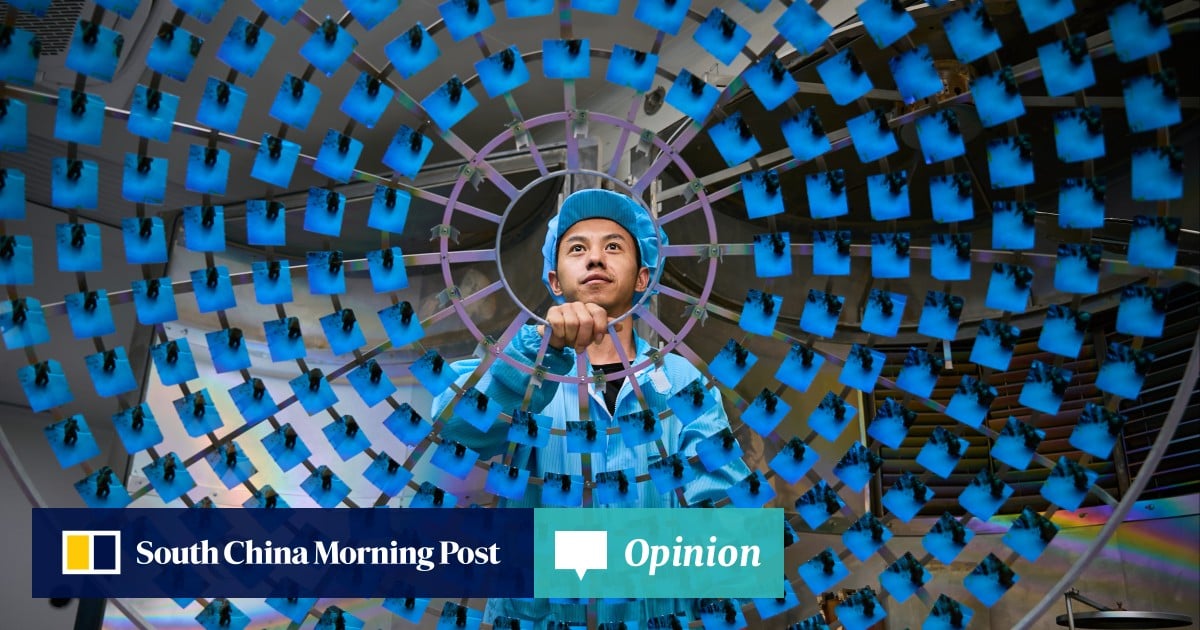
For decades, the US, much of Europe and even Japan, long proud of its manufacturing skills, have prided themselves on becoming “post-industrial” and services-oriented economies. They did not ask who is supposed to make “things” when thing-making is no longer in fashion.
So, it’s no wonder that a goal-oriented China, which strategically plans for the long-term rather than leaving matters to the supposed wisdom of the marketplace, stepped in to fill the inevitable supply and demand gap.
This statement is not made out of mere ideological conviction; it is a belief that comes from reporting and analysing the impact of industrial and deindustrialising policies in Britain, Japan and elsewhere.
The biggest and perhaps most bitter irony is that Western nations are struggling to reverse course and reindustrialise and effectively back out of a cul-de-sac which they entered willingly decades ago, only to find that China is dominating the high road of global manufacturing.
Don't Miss:
-
Drug Trafficking, U.S. Banks, and the Economic Reality Under Trump
-
Ivan’s Mob Beheads A Los Mayos Member
-
Ex-OFAC Official: The Cartel Risk Companies Can’t See | The InSight Take
-
Why Ecuador Is Losing Its Fight Against Organized Crime
-
‘El Cromo’ Arrested in Guadalajara; He Is Linked to a Group Affiliated with the CJNG