
 Rick Claypool on Pay to Play Corporate Crime Enforcement
  Labaton Launches Whistleblower Practice with Former SEC Acting Chair Allison Herren Lee
  Kremlin payment firm A7 has been pumping billions in ‘untraceable’ cash into global financial system
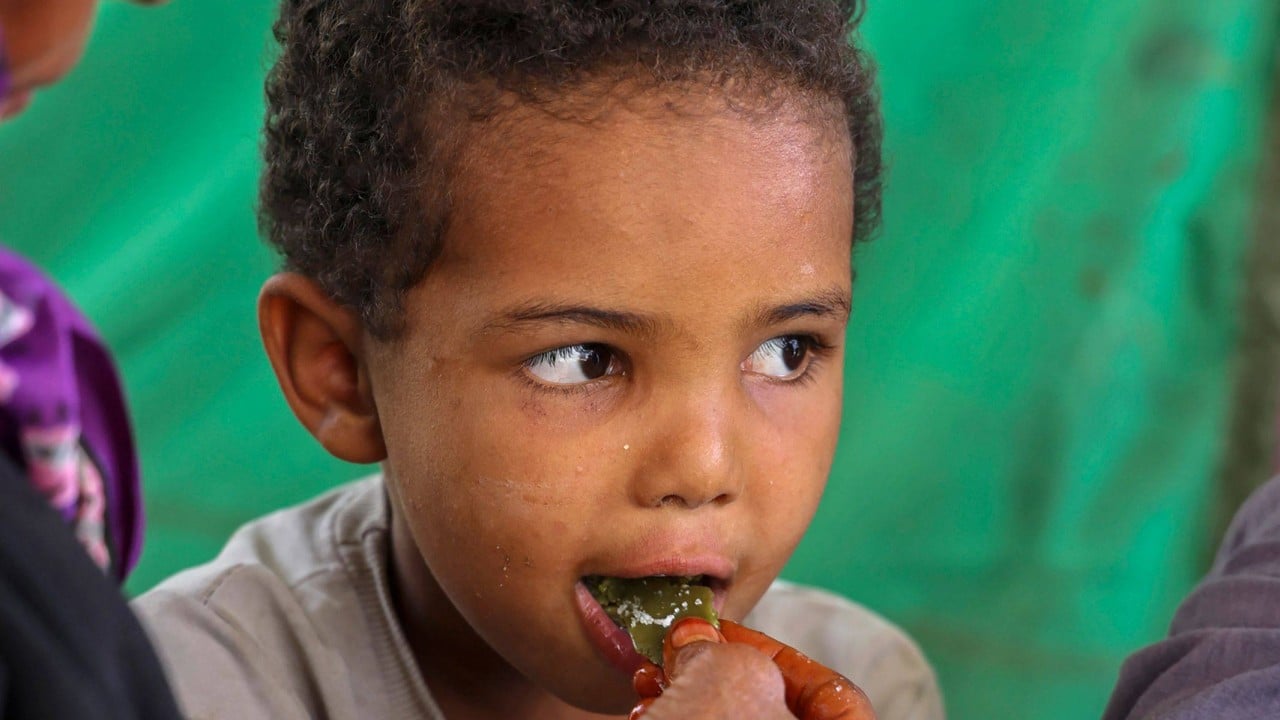
 With no food aid, 65-year-old Saeedah Mohammed heads out with a plastic bag to pick tree leaves near her displacement camp in southern Yemen, before serving them to her grandchildren to stave off hunger.
Behind the camp wooded hills stretch under a clear sky, while on the ground, yellowed and stony earth is strewn with rubbish.
Amid the trash and destitution, daily life manages to organise itself, however imperfectly.
Advertisement
Worn-out clothes dry on lines strung between spindly trees, and two old discarded tyres lie in the dust.
In Al-Manij camp near Taez in southwest Yemen, Mohammed lives in a makeshift tent with her two divorced daughters and their six children.
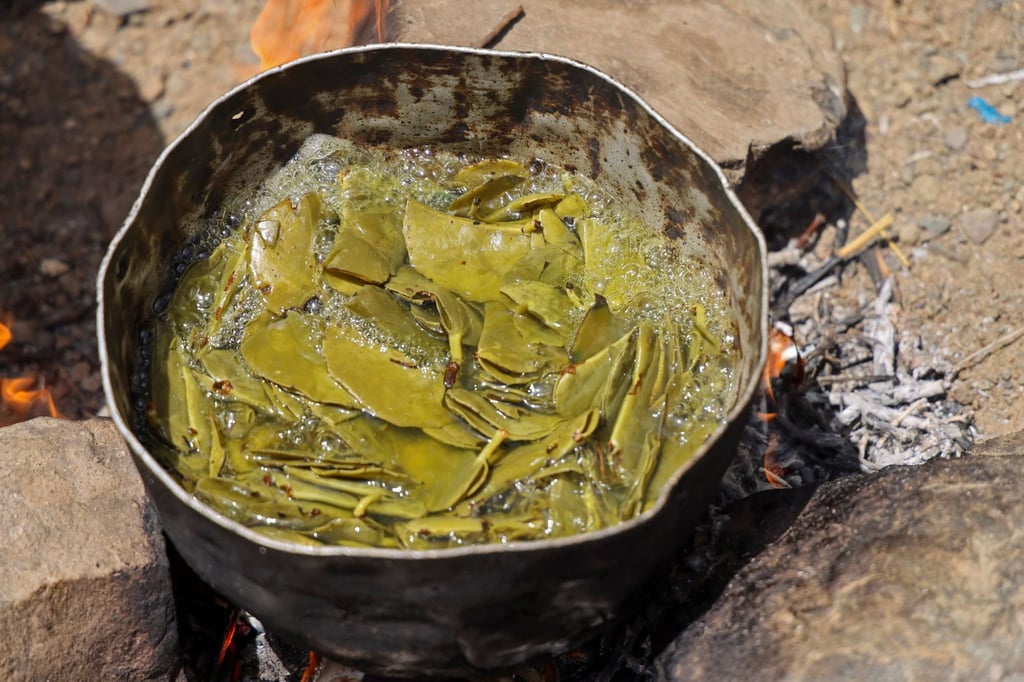
Aid from the World Food Programme (WFP), on which her family depended, stopped more than six months ago.
Don't Miss:
-
A Total of 13 Mass Graves Have Been Found in Viesca Containing the Charred Remains of Men and Women
-
Jorge Luis Zambrano, alias “Rasquiña”
-
El Taliban Fell In Mazatlán… And What He Confessed Ties Everything Together
-
Inside the Camp at the Heart of Honduras’ Garífuna Land Struggle
-
This Is How the MataZetas Captured and Executed the Zetas