
 New documents show how a retail chain’s sales practices helped put guns on US streets
  Singapore a battleground of commodities fraud lawsuits
  From Propagandist to Criminal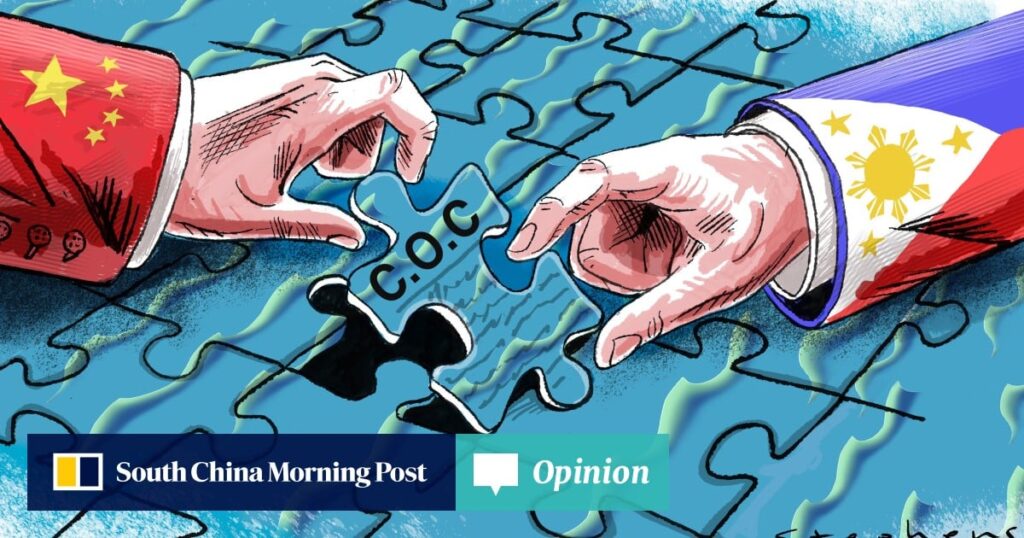
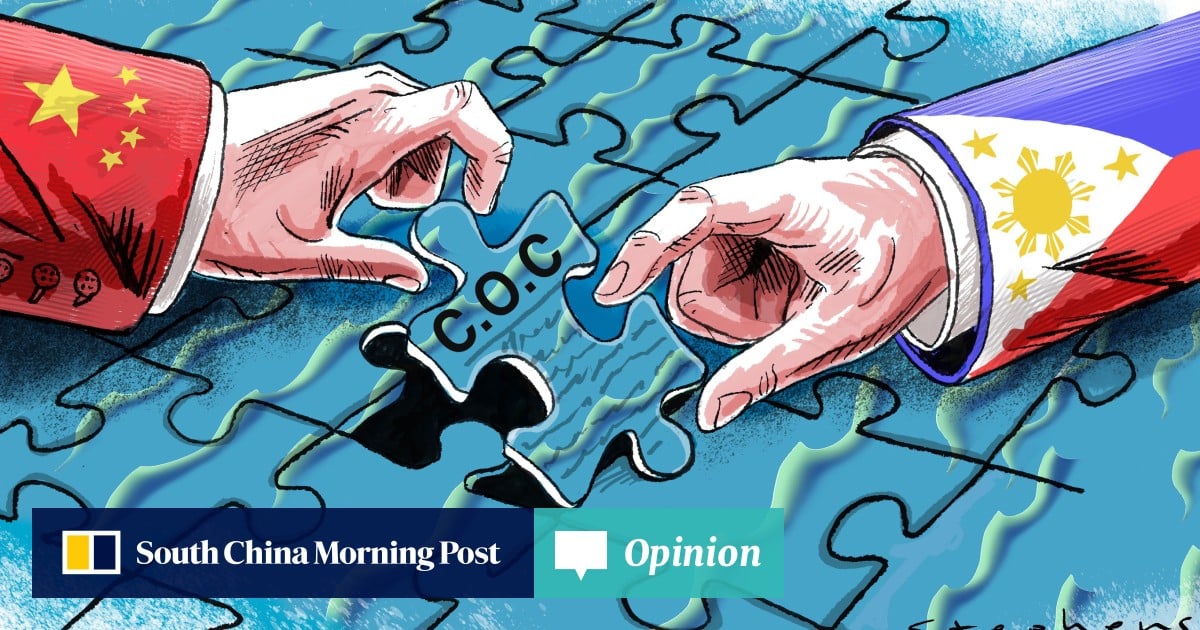
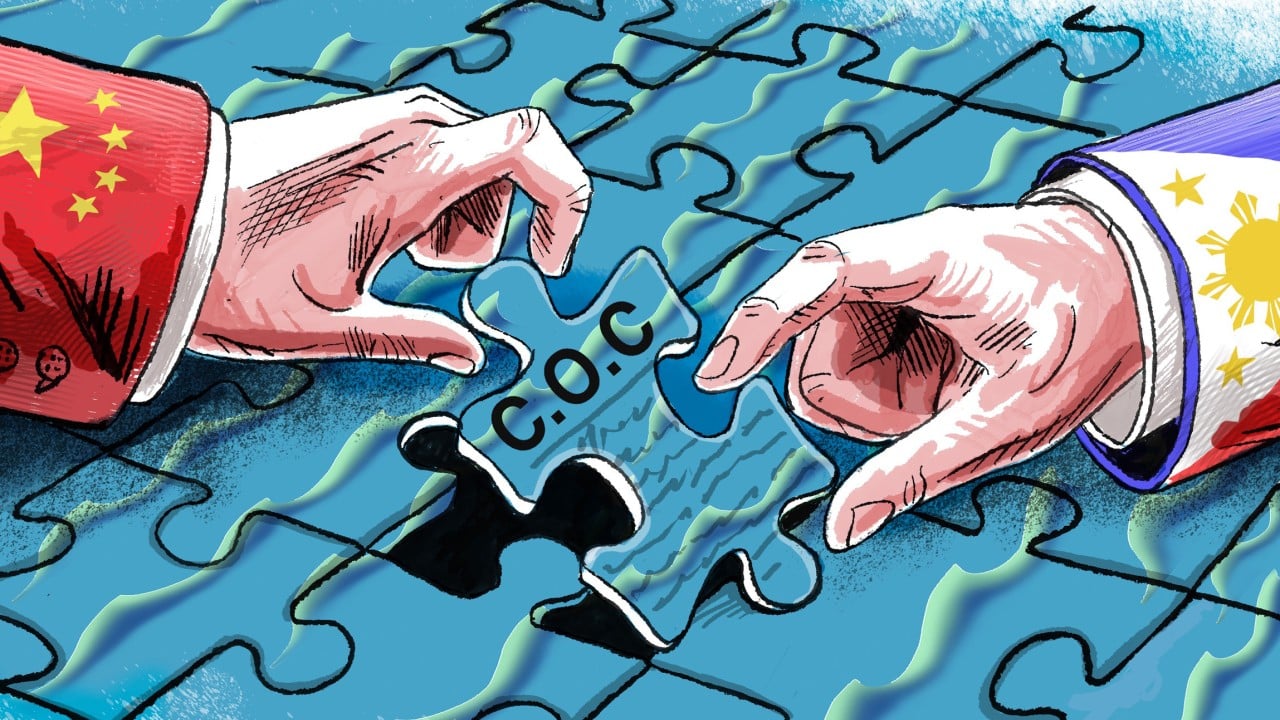
But relations between Beijing and Manila have been precarious and unstable in recent years. Can the two insulate negotiations from their maritime and political frictions, or will these become yet more obstacles to the conclusion of the code of conduct?
Advertisement
China has never accepted the July 12, 2016, ruling by the tribunal of the Permanent Court of Arbitration in The Hague, rejecting it immediately as “null and void” with “no binding force”. Beijing continues to reiterate its non-acceptance of the ruling even as Manila marks the anniversaries over the years. As the 10th anniversary approaches, both countries can be expected to enter another period of political tension and high-profile clashes in the South China Sea.
Advertisement
But the relationship was not always so. The 2016 election of Rodrigo Duterte in the Philippines led to a stabilisation as his administration gravitated towards China and away from the United States.
Don't Miss:
-
Former American Idol singer Caleb Flynn sentenced to life in prison for wife’s murder
-
Bogota mayor presses Chinese-led consortium for more metro workers as auditors flag delays
-
ICC unseals arrest warrants for 4 Taliban leaders wanted on gender persecution charges
-
Quebec votes in provincial election as separatist surge poses test for Canada’s PM Carney
-
“Here, We Confront Drug Traffickers Daily… And The U.S.?”