
 New documents show how a retail chain’s sales practices helped put guns on US streets
  Singapore a battleground of commodities fraud lawsuits
  From Propagandist to Criminal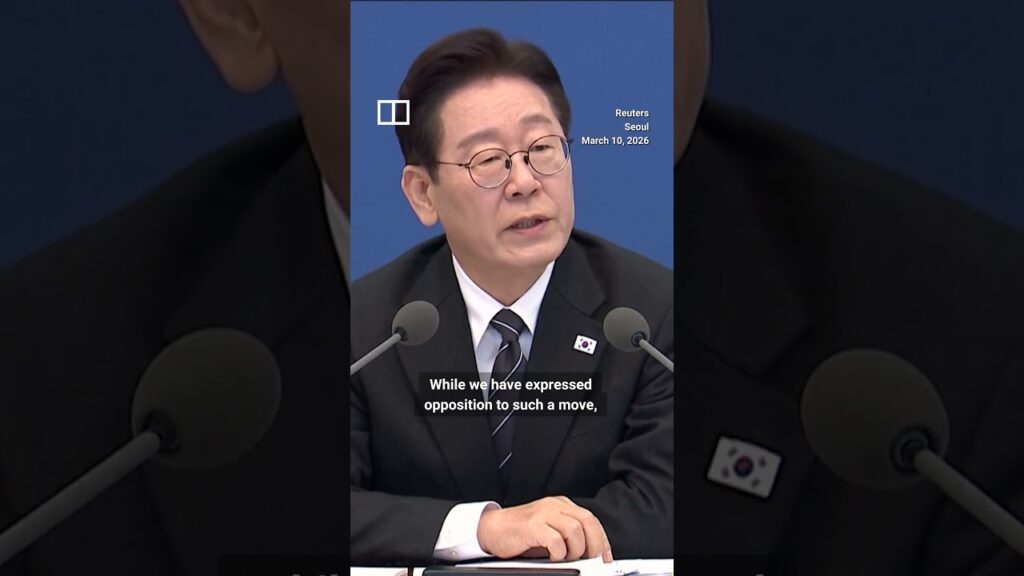
South Korea’s combat-proven, interoperable and geopolitically accessible surface-to-air missiles could hinder China’s efforts to sell its own defence systems to the Middle East, analysts have suggested.
According to a study by the Foreign Policy Research Institute, a Philadelphia-based think tank, more than 5,000 munitions were fired in the first 96 hours of the armed conflict, including about one-third of the Terminal High Altitude Area Defence (THAAD) missiles operated by Gulf states.
Advertisement
South Korea may see US missiles move to Middle East
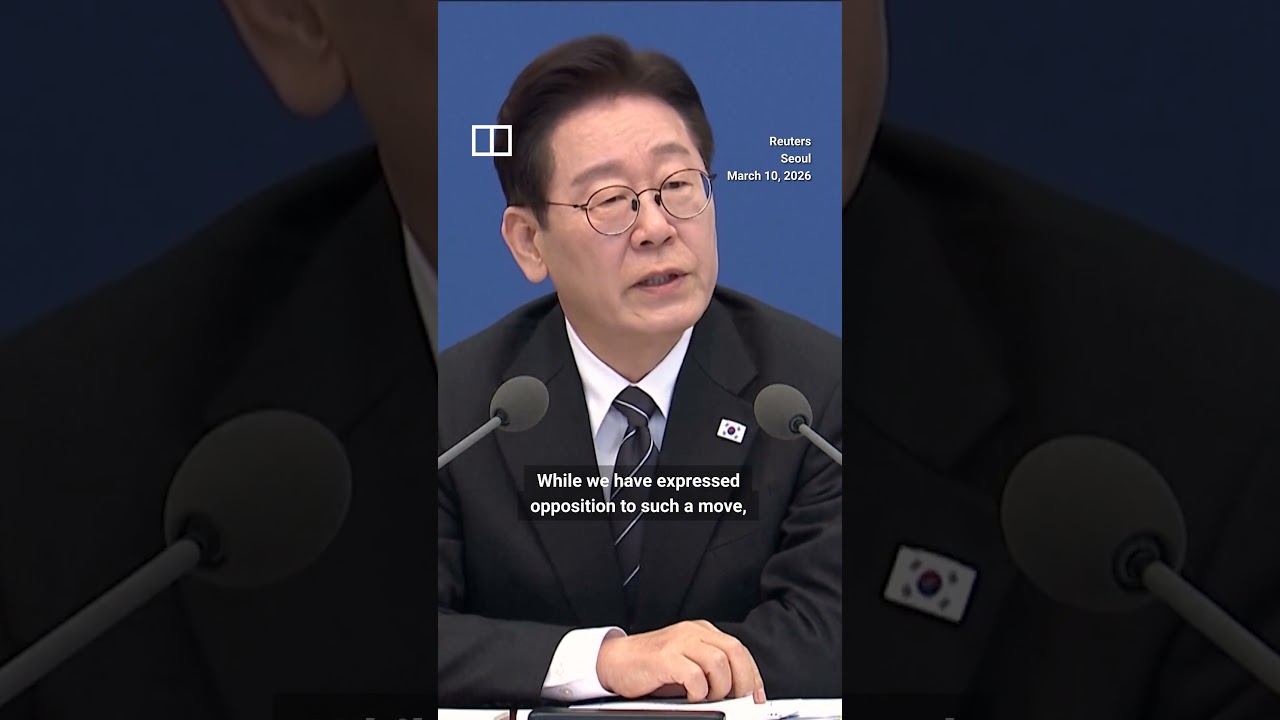
South Korea may see US missiles move to Middle East
The South Korean-made medium-range surface-to-air missile Cheongung-II, known as M-SAM, was also involved in defending against Iranian attacks. Two of its batteries are operated by the United Arab Emirates (UAE), following the 2022 acquisition of 10 batteries under a US$3.5 billion deal.
Advertisement

Don't Miss:
-
Former American Idol singer Caleb Flynn sentenced to life in prison for wife’s murder
-
Bogota mayor presses Chinese-led consortium for more metro workers as auditors flag delays
-
ICC unseals arrest warrants for 4 Taliban leaders wanted on gender persecution charges
-
Quebec votes in provincial election as separatist surge poses test for Canada’s PM Carney
-
“Here, We Confront Drug Traffickers Daily… And The U.S.?”