
 New documents show how a retail chain’s sales practices helped put guns on US streets
  Singapore a battleground of commodities fraud lawsuits
  From Propagandist to Criminal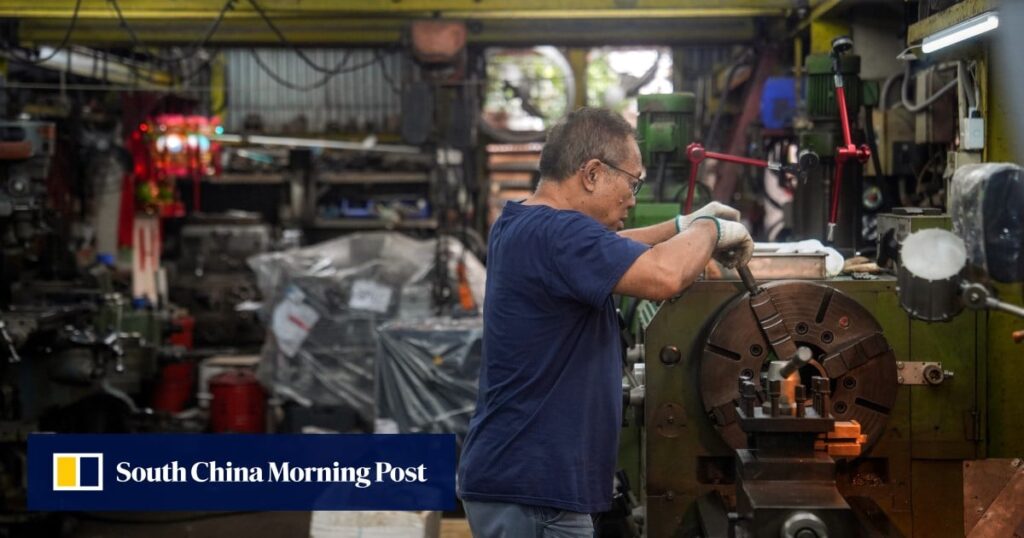
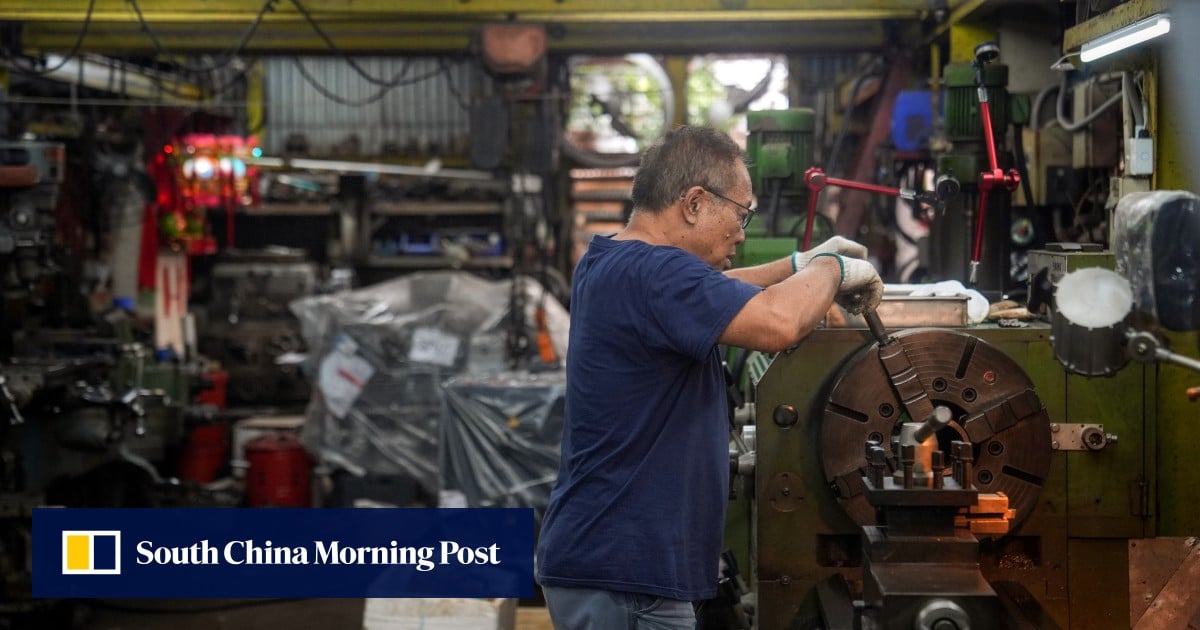
David Chan* is among the few remaining ship machinery maintenance masters at the Po Chong Wan temporary industrial area in Hong Kong’s Aberdeen.
Chan, in his seventies, entered the trade in the 1960s as an apprentice in Ap Lei Chau, an islet off Aberdeen, repairing propellers, gearboxes and other machinery on wooden fishing boats and cargo ships. At the time, the area was one of the city’s four major fishing villages.
After years of hard work, he went solo and relocated to the Po Chong Wan site in the late 1980s, following the government’s demolition of squatter huts in Ap Lei Chau.
Advertisement
His business focus also shifted in the 1980s as wooden vessels and the fishing industry declined, pivoting to the repair of machinery for steel fishing fleets and passenger vessels.
As more operators retired and some shifted to maintaining yachts, Chan has seen tin houses left locked up or converted into storage spaces. He estimated that fewer than 30 workshops remained in operation.
Advertisement
The veteran said he planned to keep working for a few more years. Last year, he even spent HK$13,000 (US$1,660) to install a digital meter on his lathe – a metal-shaping machine – to improve precision and speed up his work.
Don't Miss:
-
Former American Idol singer Caleb Flynn sentenced to life in prison for wife’s murder
-
Bogota mayor presses Chinese-led consortium for more metro workers as auditors flag delays
-
ICC unseals arrest warrants for 4 Taliban leaders wanted on gender persecution charges
-
Quebec votes in provincial election as separatist surge poses test for Canada’s PM Carney
-
“Here, We Confront Drug Traffickers Daily… And The U.S.?”