
 Tunisian court dismisses case to dissolve publisher of ICIJ partner Inkyfada
  Prabowo Faces Growing Discontent as Jokowi Revives His Political Ambitions
  Five years after the Pandora Papers, transparency laws lose their teeth
 For most military powers, proving the success of one’s technology in real combat almost always requires undertaking the grave risks of war and human casualties.
In the case of the People’s Liberation Army, Beijing continues to exercise great caution about joining any armed conflict, and the past few decades have brought astounding progress yet an extremely limited combat footprint for its weaponry.
Advertisement
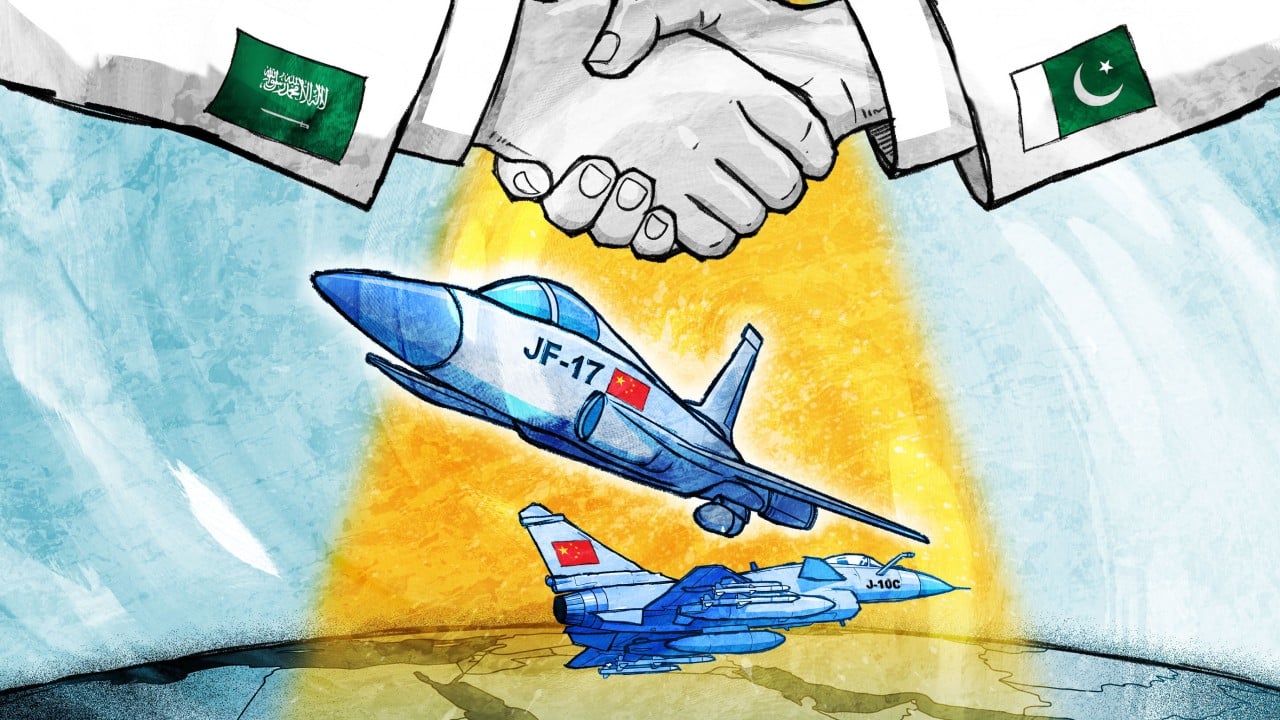
As tensions around Iran persist, Pakistan, whose imported weapons mostly come from China, has raised its stature in Middle Eastern security, playing a mediating role between Washington and Tehran while establishing its military presence in Saudi Arabia.
Analysts said Islamabad’s higher profile in the Iran conflict could also boost Chinese weapons systems, giving them “exposure without risks” following Pakistan’s recent deployment of fighter jets in Saudi Arabia.
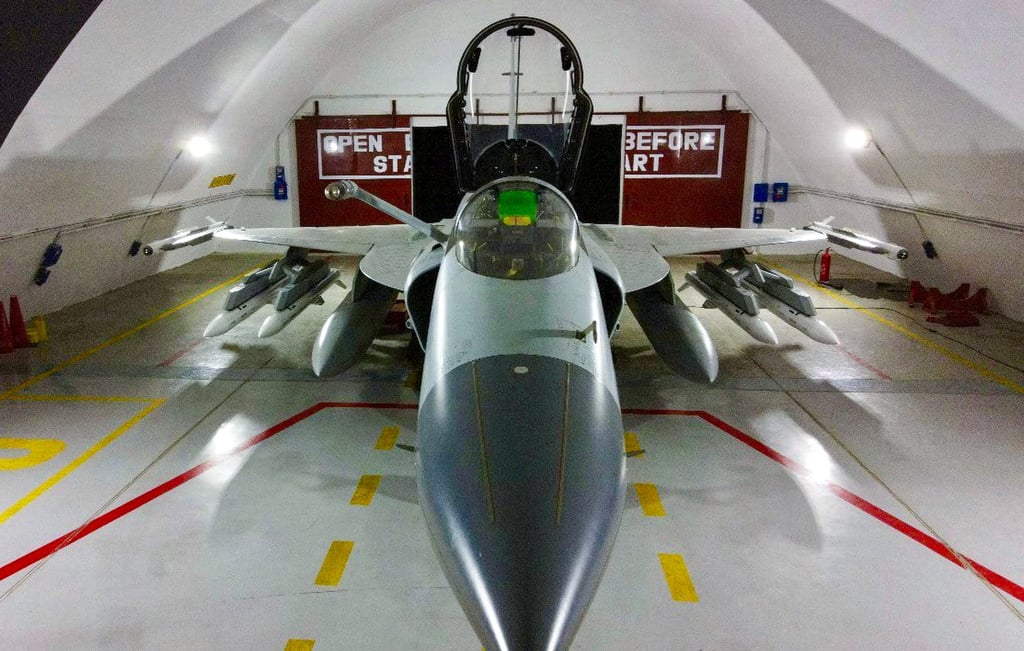
On April 11, Saudi Arabia’s defence ministry announced the arrival of Pakistan’s military at King Abdulaziz Air Base in the kingdom’s eastern province, as part of the Strategic Mutual Defence Agreement (SMDA) signed between the “two brotherly countries”.
Advertisement
Don't Miss:
-
Fight at Mazatlán Prison Leaves 10 Dead: A 2-Year-Old Boy Died During a Family Visit
-
Veracruz Mafia vs. CJNG: The Fight for Veracruz
-
Former Michoacán Official Used AI for Extortion: Here’s How They Cloned the Voices of Politicians and Ministers
-
Two Years On, the Sinaloa Cartel War Changes Shape | The InSight Take
-
US wraps up military mission in Iraq, giving Baghdad room to strengthen China ties