
 Tunisian court dismisses case to dissolve publisher of ICIJ partner Inkyfada
  Prabowo Faces Growing Discontent as Jokowi Revives His Political Ambitions
  Five years after the Pandora Papers, transparency laws lose their teeth
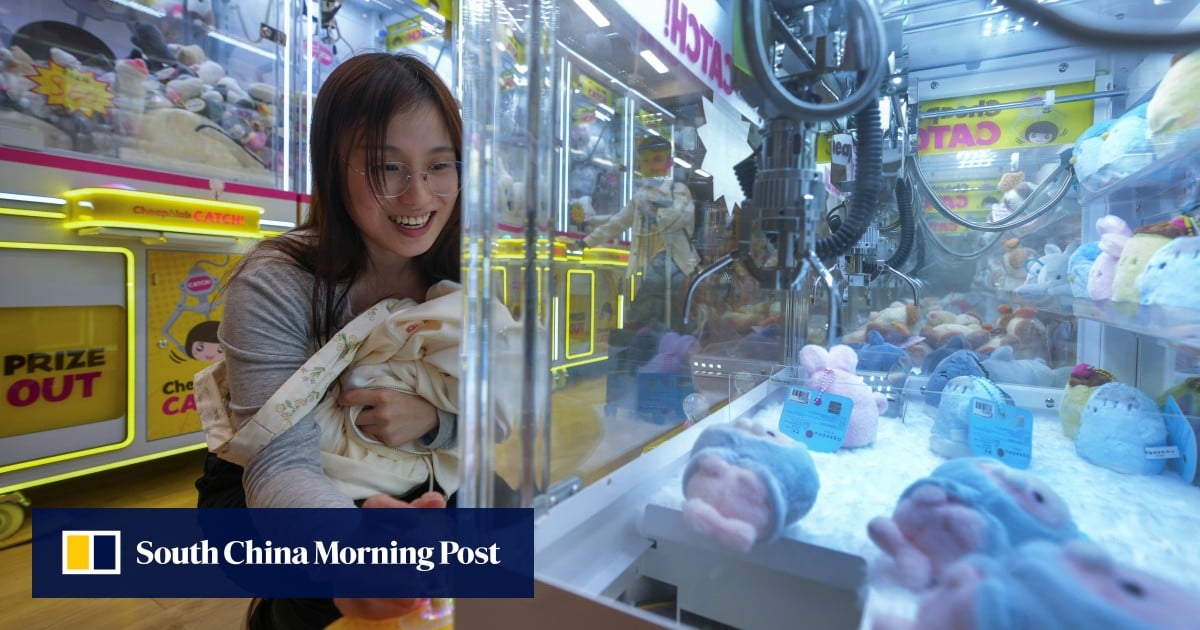
After years of debate over whether claw and pinball machines encourage high-stakes gambling, Hong Kong has finally proposed stricter oversight to curb gaming, particularly among teenagers.
Cases of addiction linked to these machines are rising in the city, but drawing a clear distinction between gaming and gambling remains difficult.
As Hong Kong prepares to amend relevant laws, the South China Morning Post examines how other jurisdictions regulate the trend and asks an expert from an addiction counselling centre whether their approaches could work locally.
1. Why and how Hong Kong is stepping up regulation
Claw machine shops have proliferated across Hong Kong, particularly after a 2022 court ruling that operators were not required to obtain a public entertainment licence
Advertisement
These businesses have evolved to offer high-value prizes. Some pinball machine shops have also been accused of cashing out rewards through “gift redemption” or “private buy-backs”, attracting customers to spend large sums of money or extended periods of time.
The addictive nature of such machines, often marketed as amusement, has prompted the government to propose bringing them – along with other prize-based amusement games – under a licensing regime, the Home and Youth Affairs Bureau said on Monday.
Advertisement
Currently, licence holders must cap spending at HK$5 (64 US cents) per play and limit prize values to HK$300 or below. Proposed regulatory measures also include requiring operators to display warning notices about addiction risks.
Don't Miss:
-
Fight at Mazatlán Prison Leaves 10 Dead: A 2-Year-Old Boy Died During a Family Visit
-
Veracruz Mafia vs. CJNG: The Fight for Veracruz
-
Former Michoacán Official Used AI for Extortion: Here’s How They Cloned the Voices of Politicians and Ministers
-
Two Years On, the Sinaloa Cartel War Changes Shape | The InSight Take
-
US wraps up military mission in Iraq, giving Baghdad room to strengthen China ties